The blog is where the journey behind the lens unfolds—moments that don’t always fit neatly into a gallery, but deserve a place to breathe. Here, I share the stories, experiments, discoveries, and quiet realizations that shape my work. It’s less about perfection and more about the process of paying attention to the world and what it’s trying to say.
What happens to the way we see once we start noticing what we used to overlook?
What happens to the way we see once we start noticing what we used to overlook?
__________________________________________________________________________________________________________
Pacific Pause: A Quiet Week on Washington's Wild Coast
Where the spring sun lingers, the pelicans glide, and the days unspool one tide at a time.
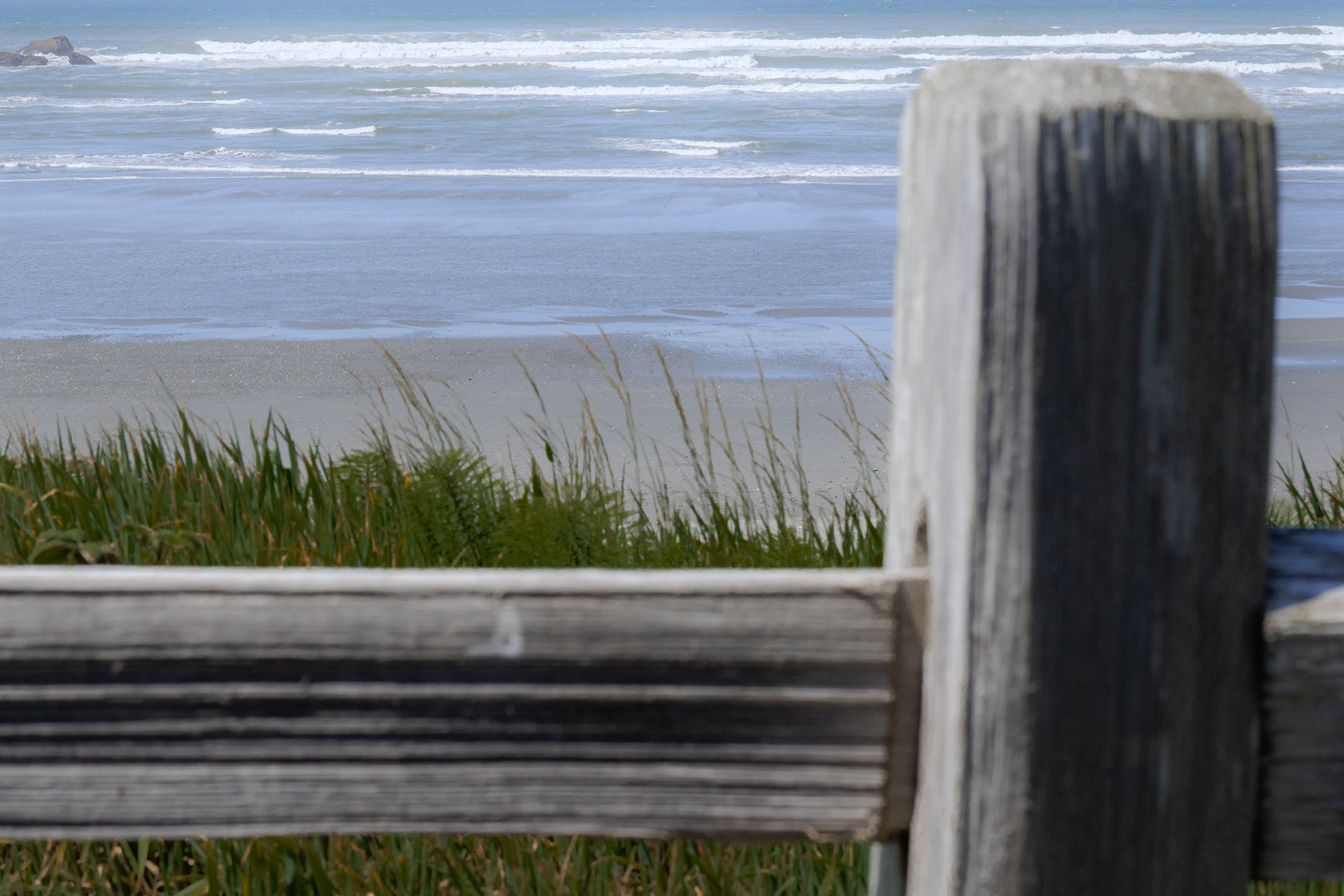
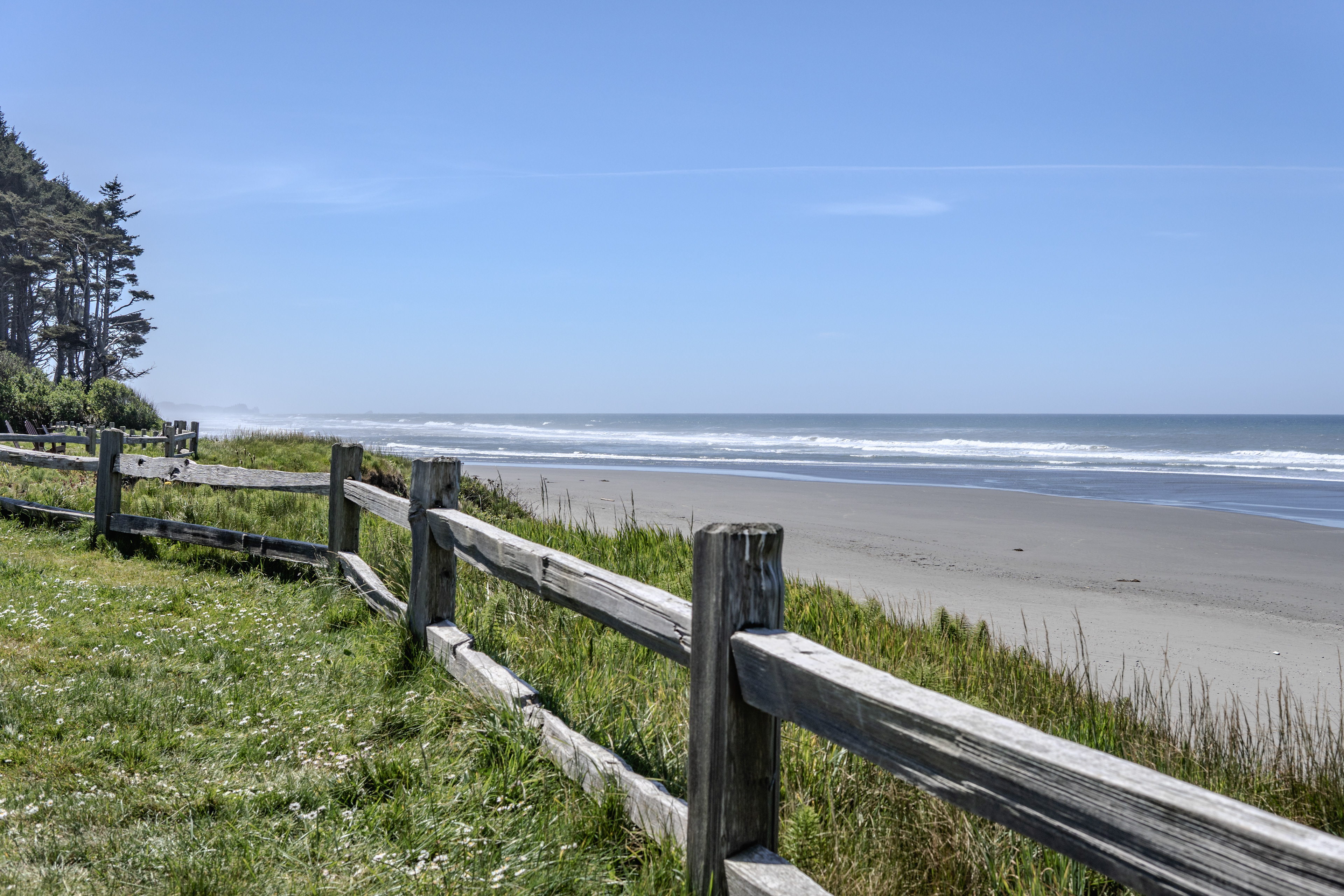
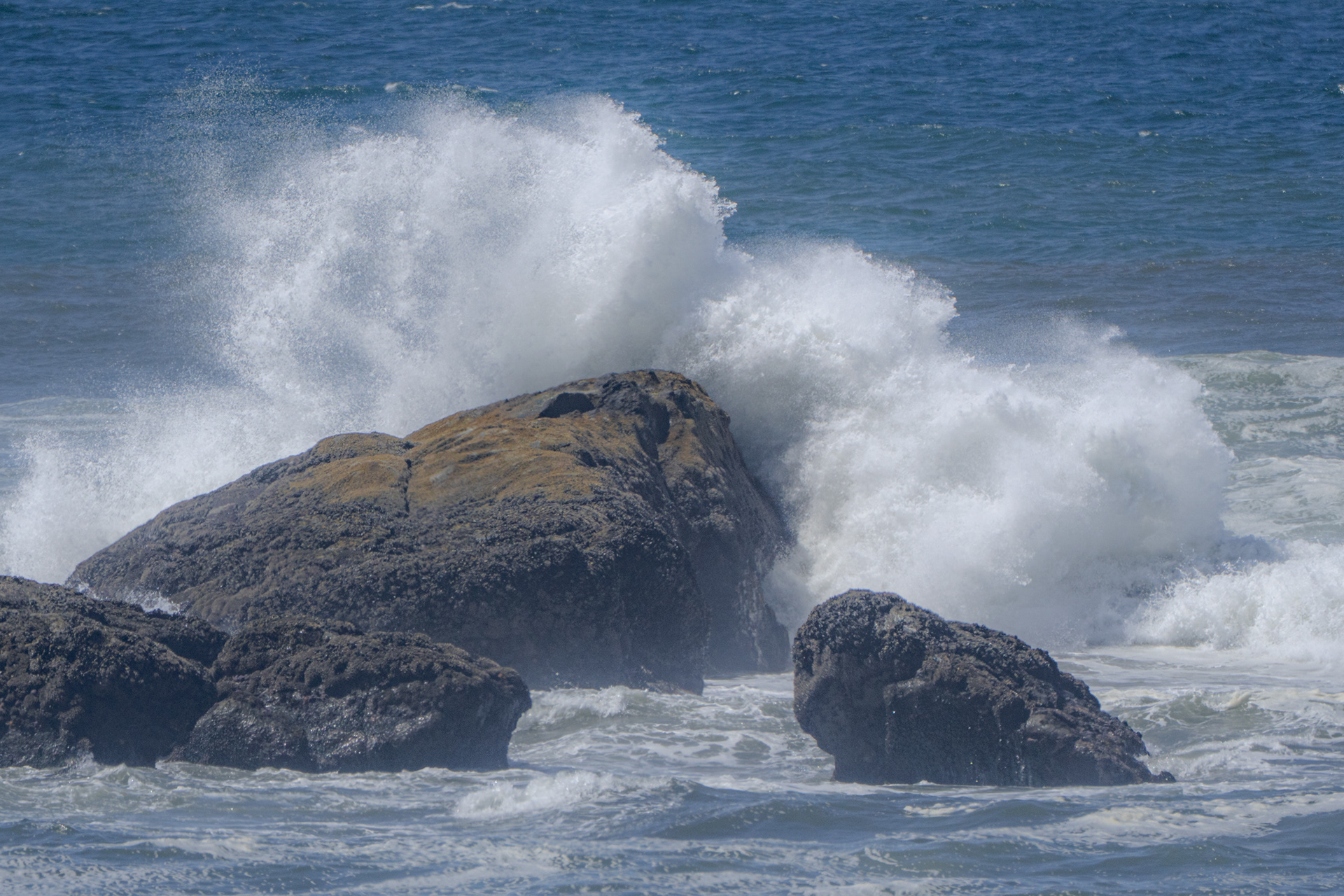
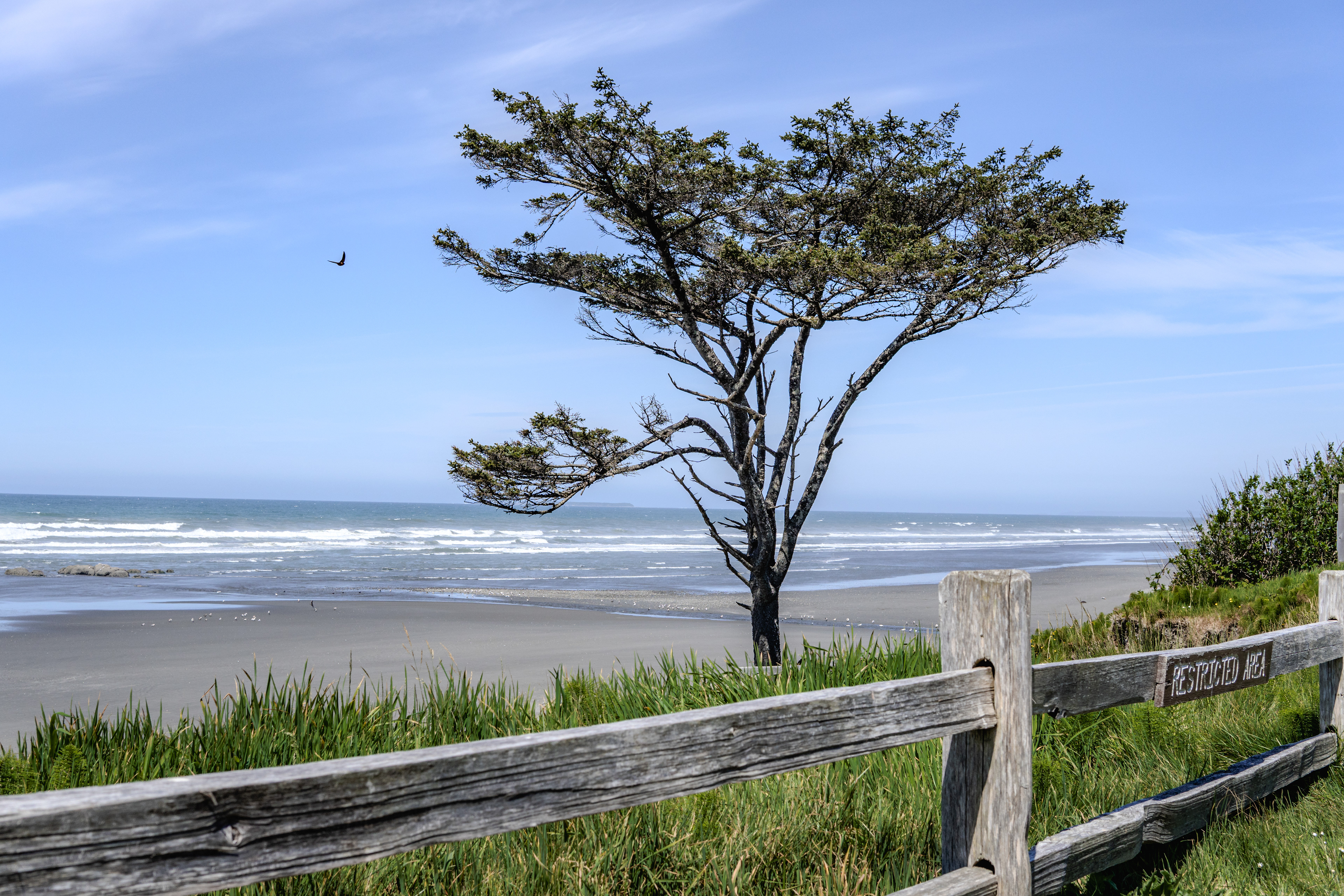
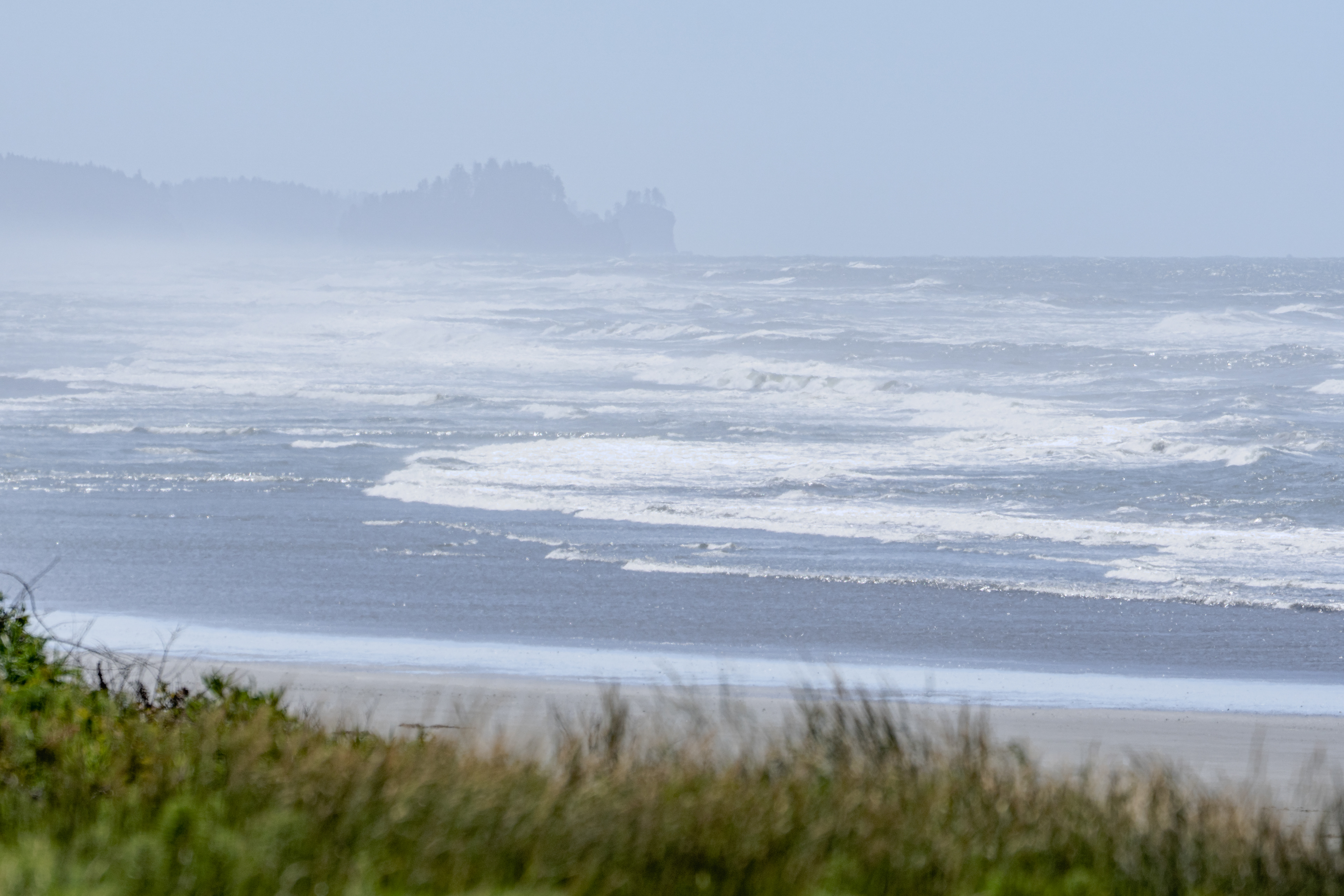
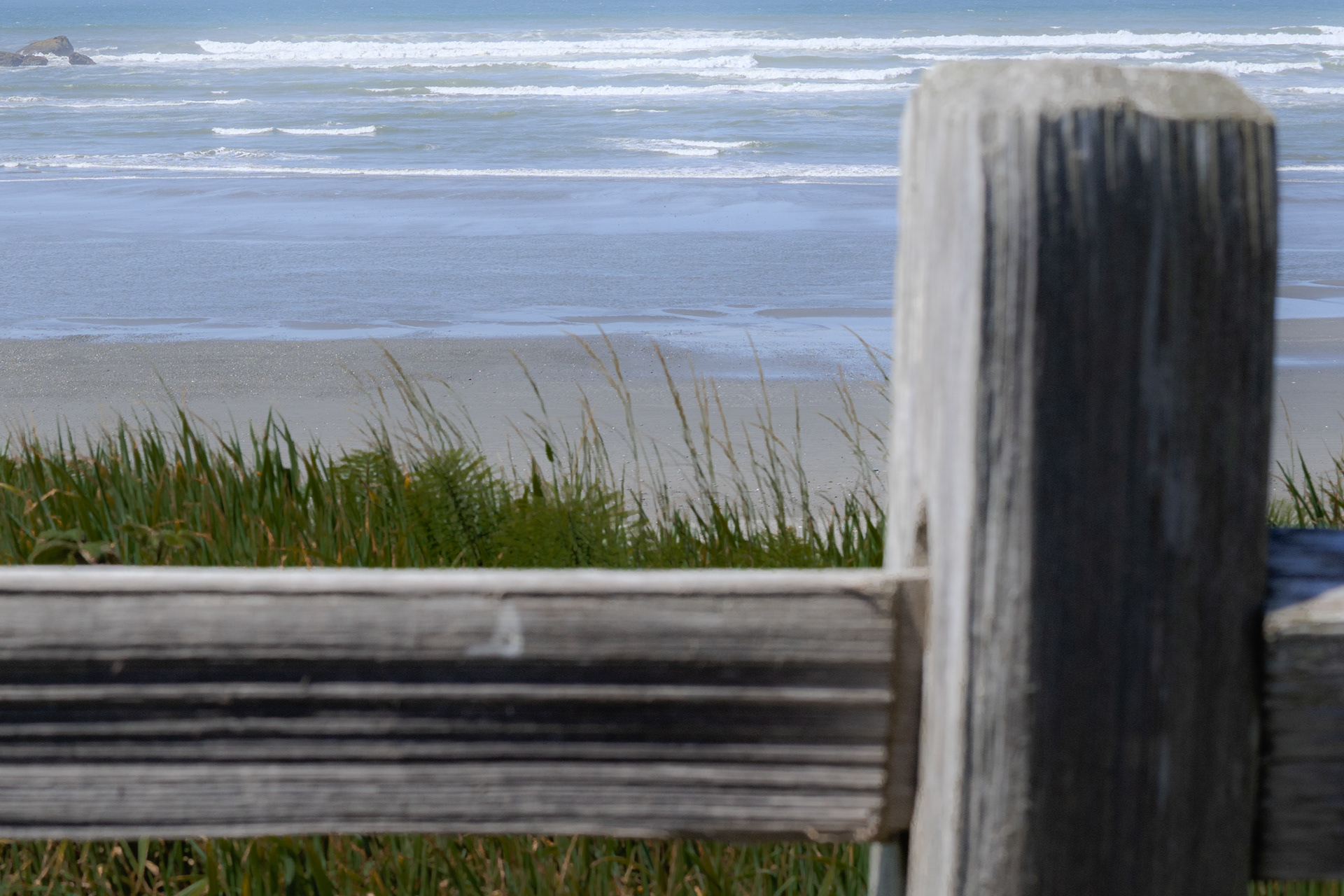
There is a particular kind of quiet that lives along the Washington coast in spring. It is a hush broken only by the slow exhale of the surf, the soft conversation of mourning doves at first light, and the rhythmic press of paws and shoes on damp sand. For one week, this quiet became my entire world.
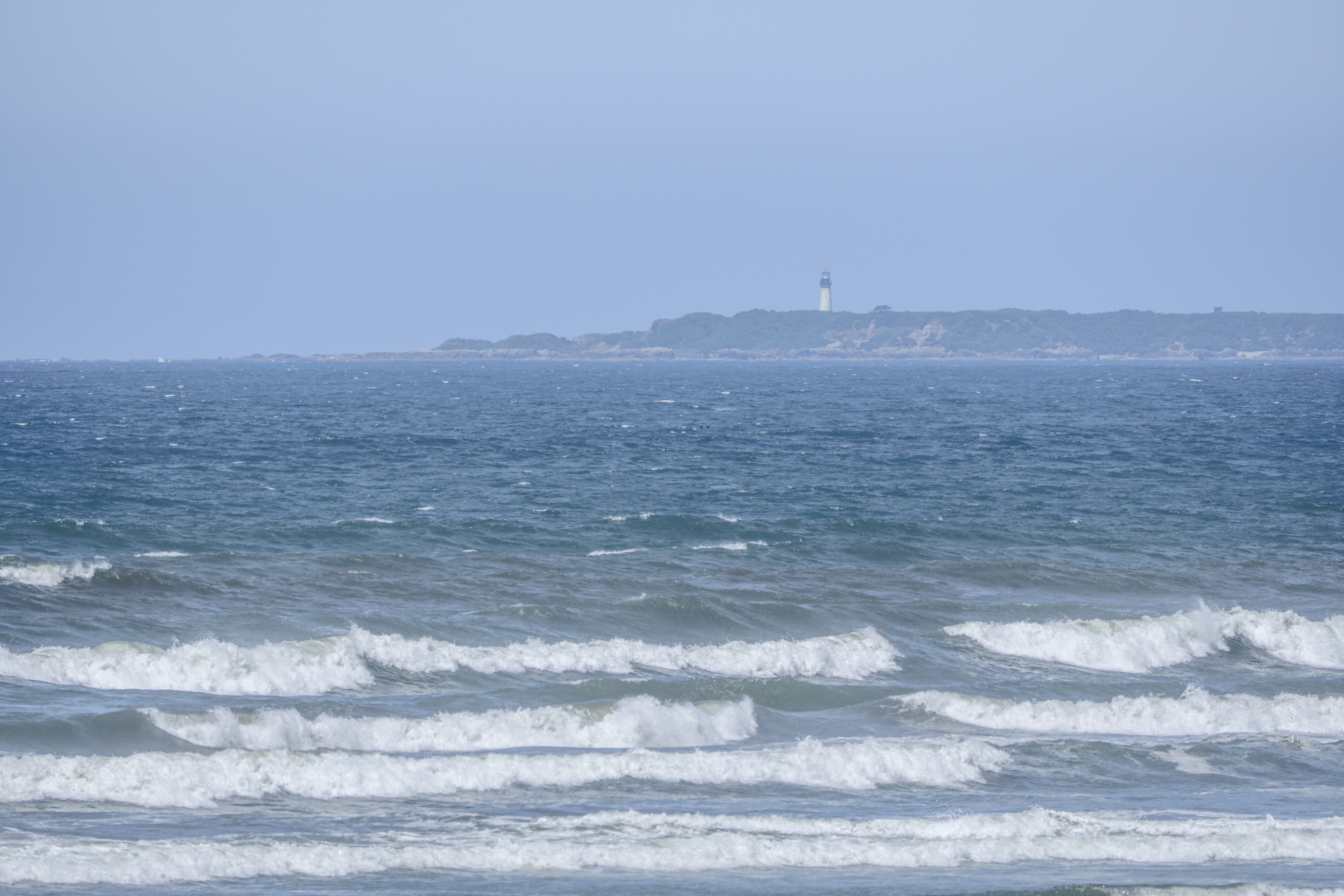
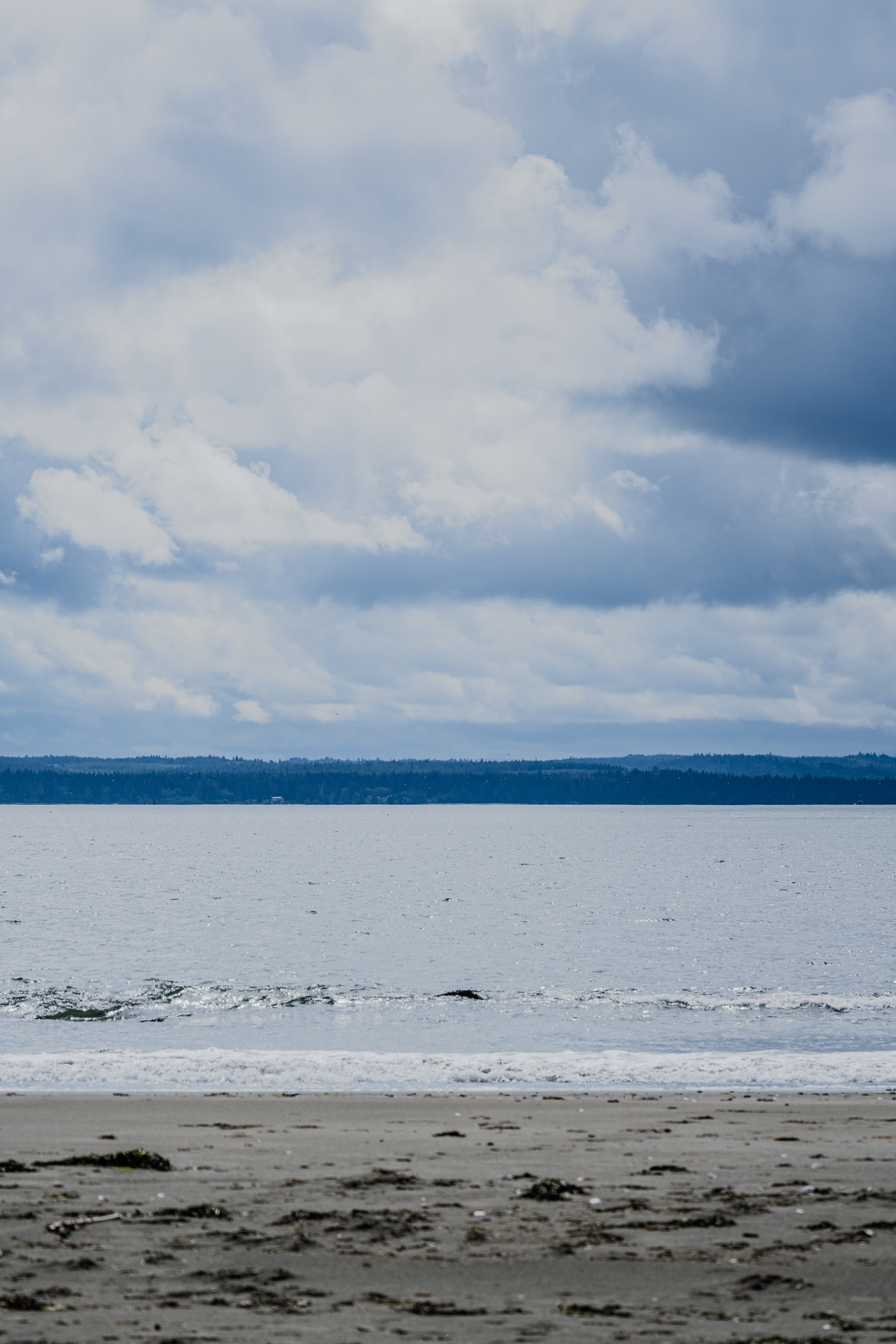
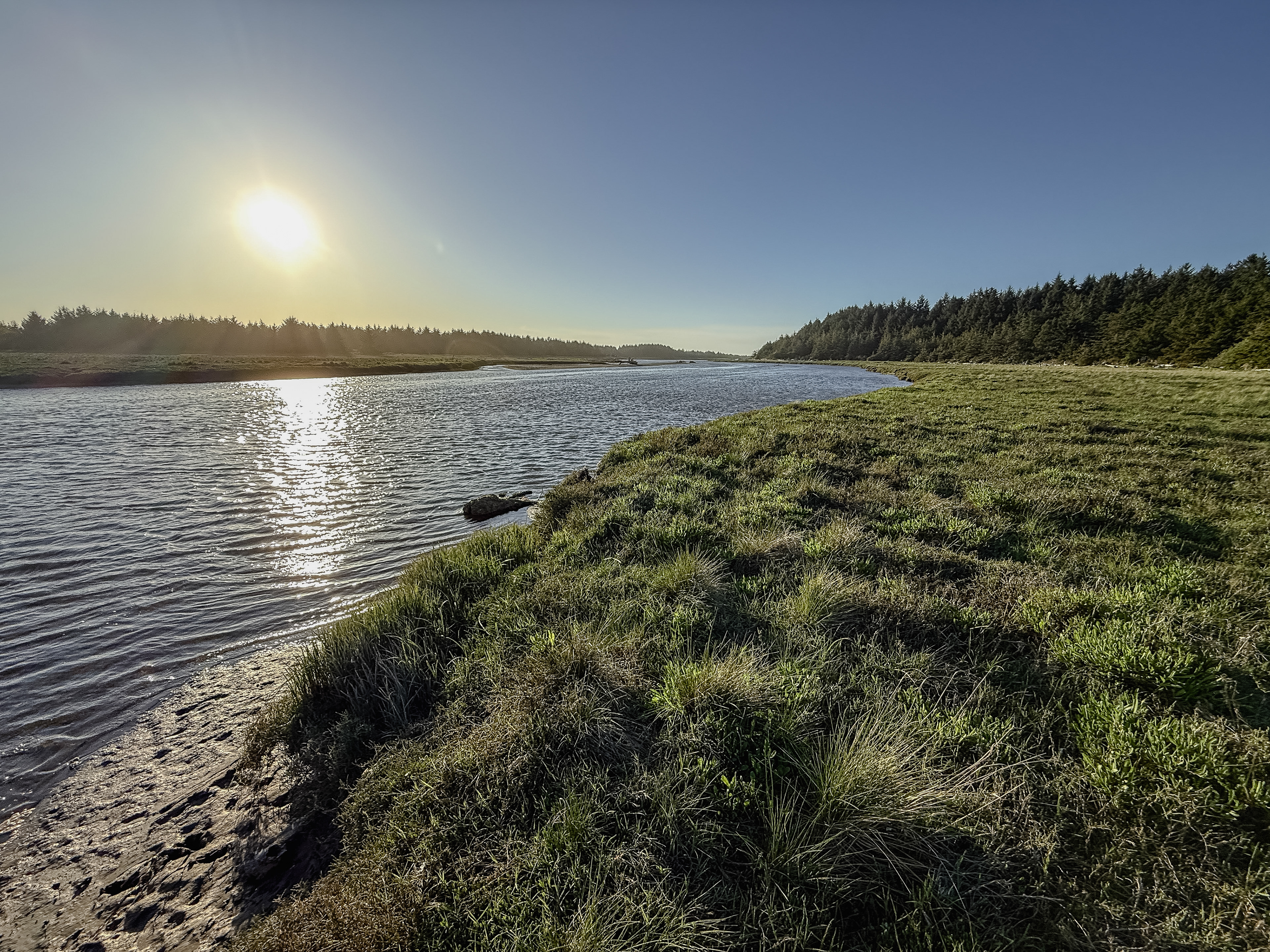
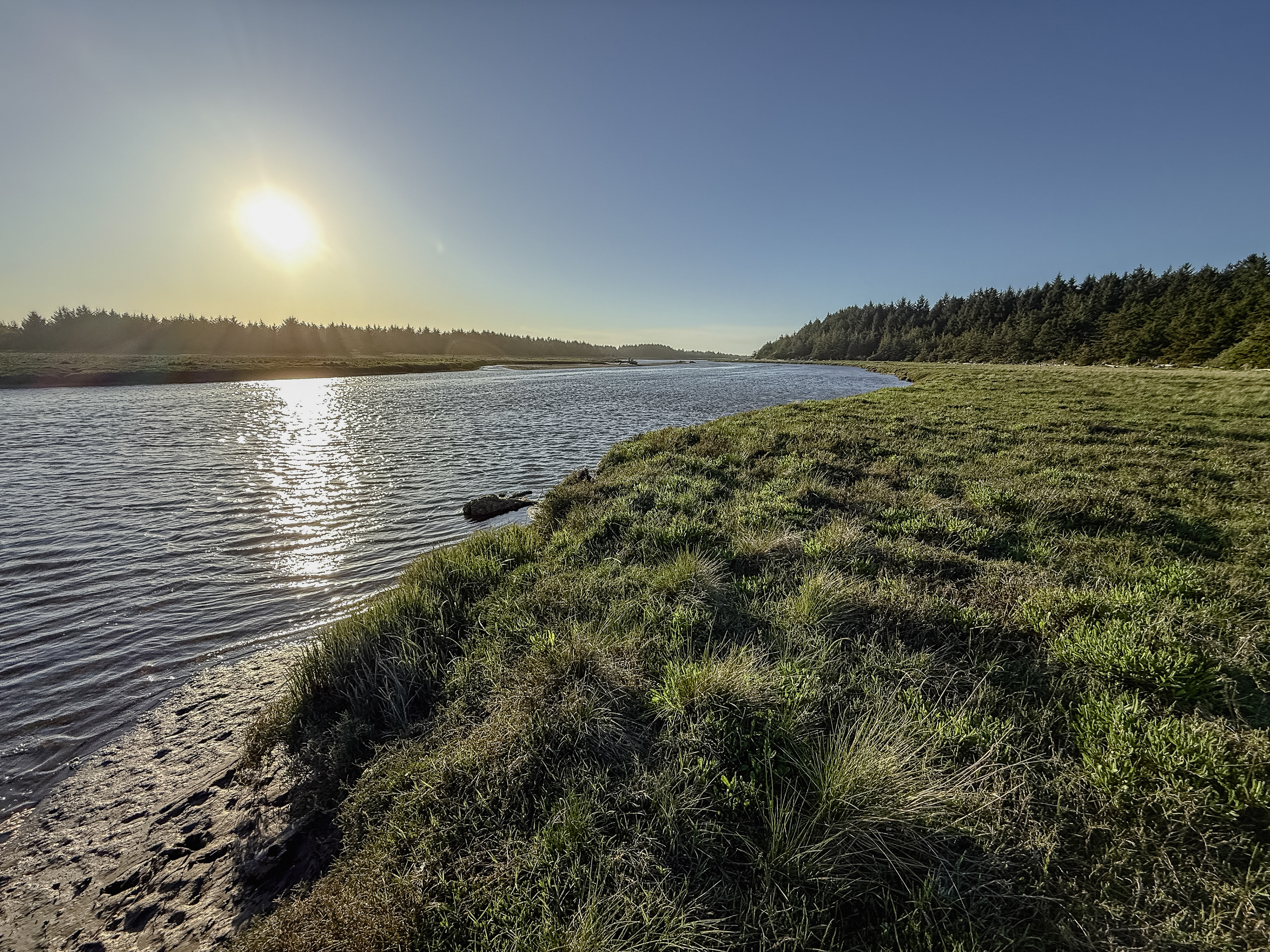
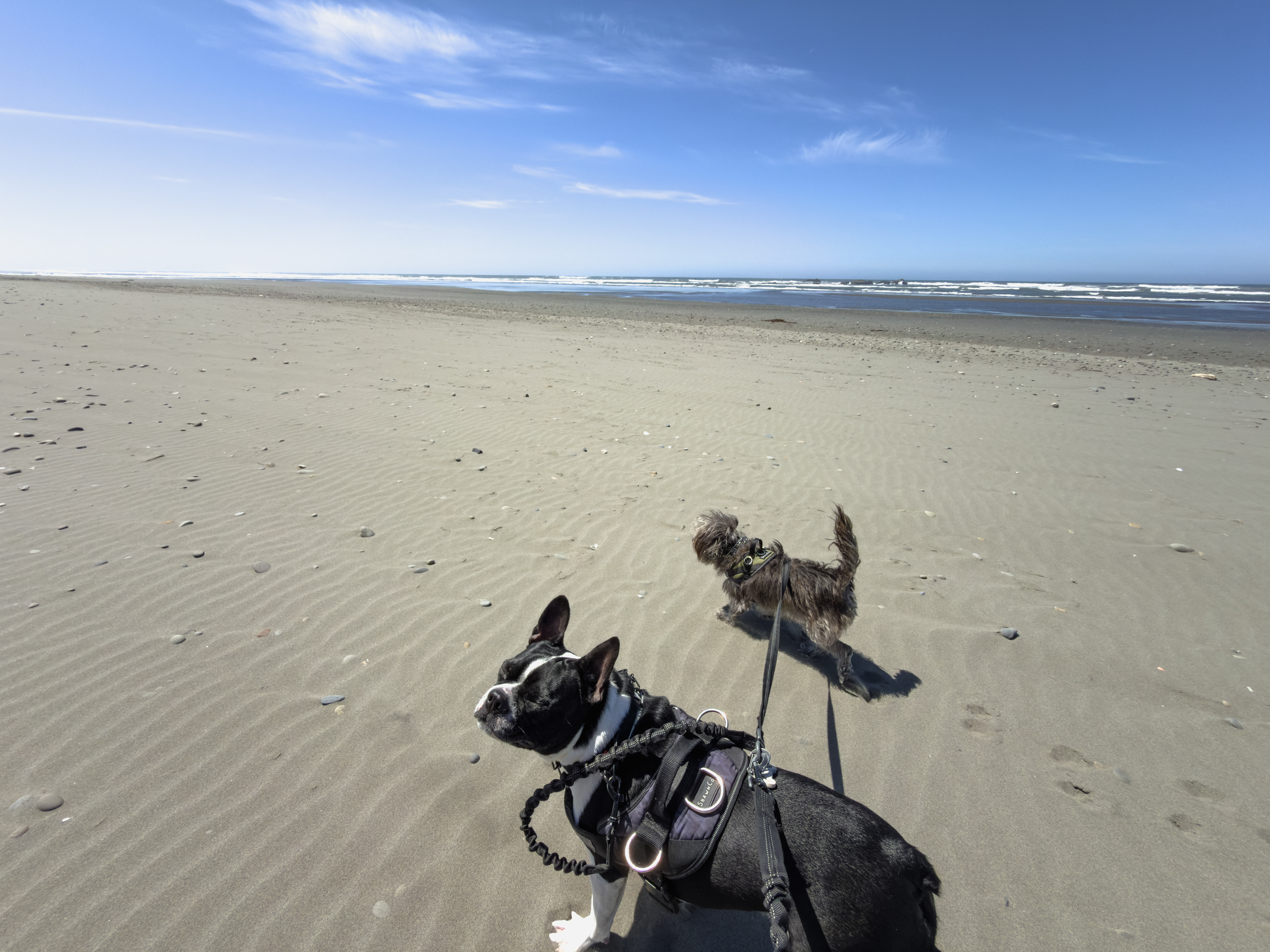
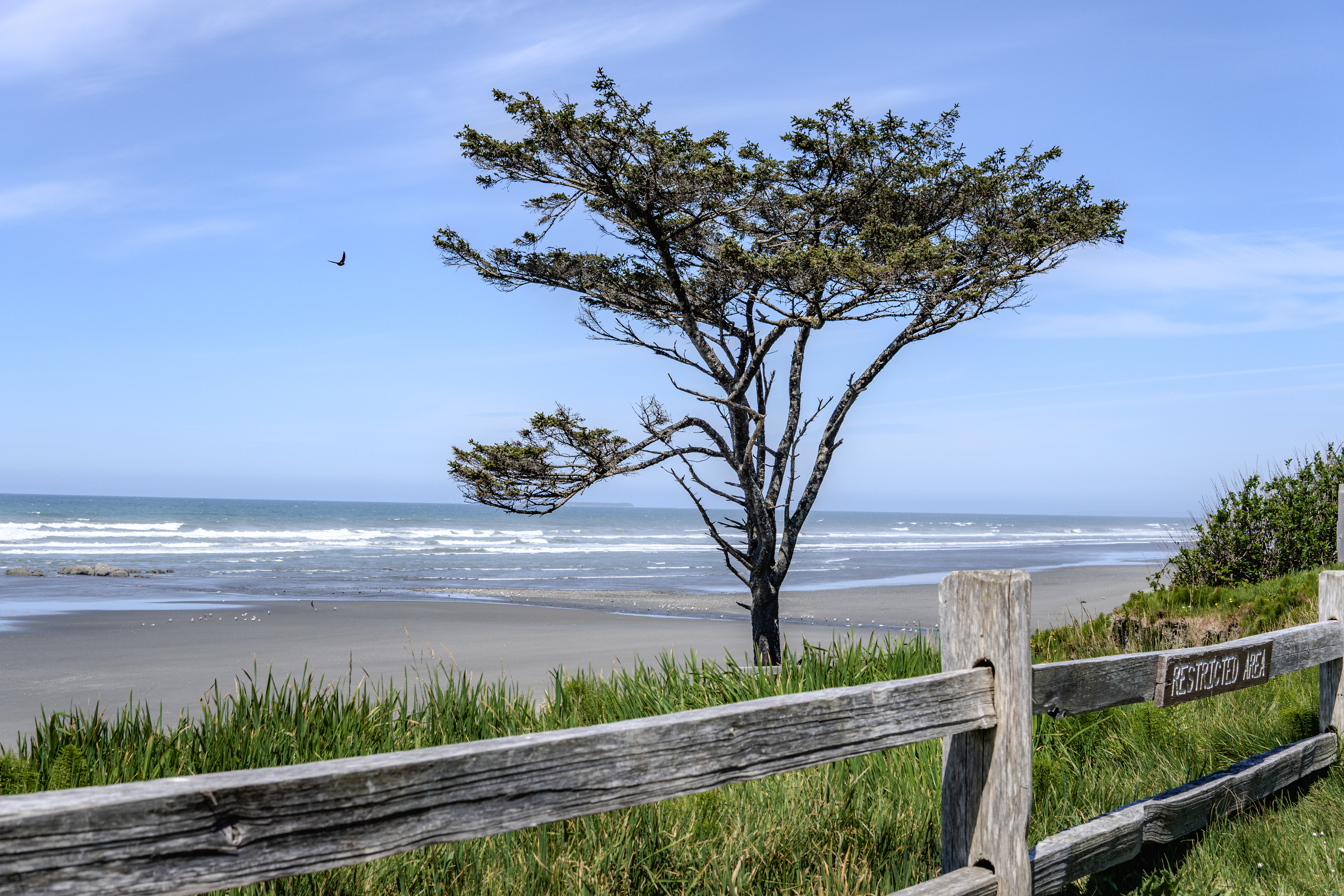
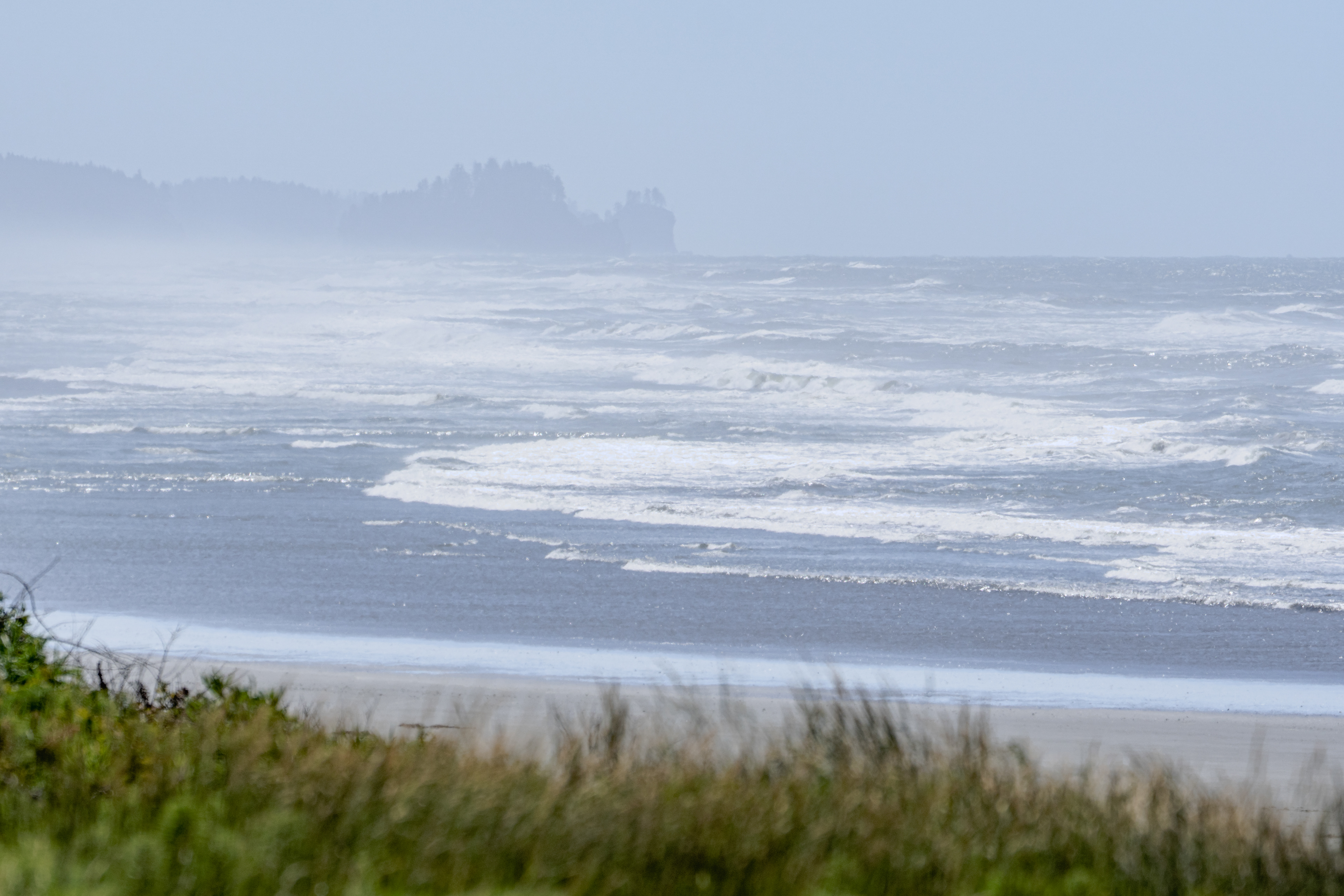
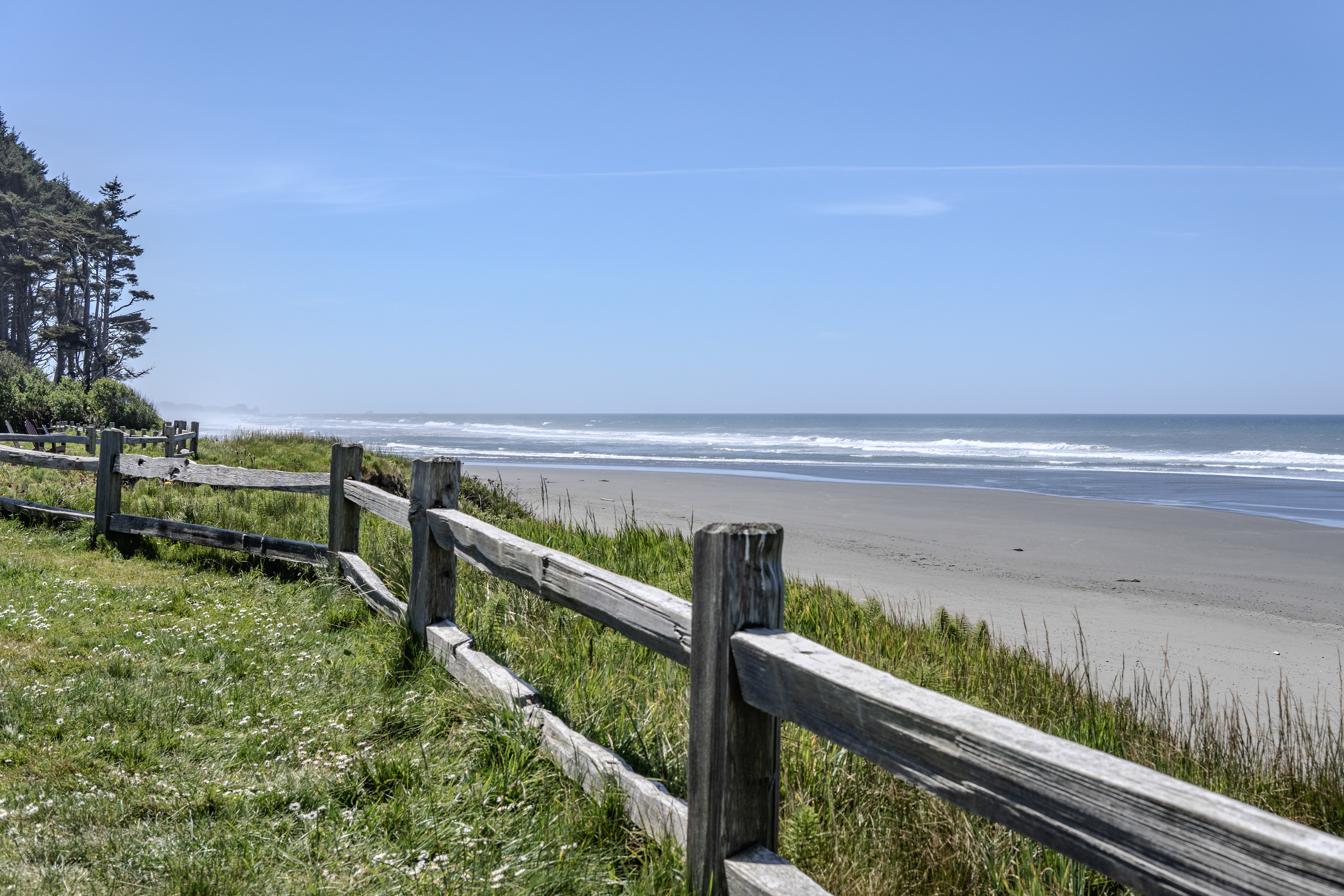
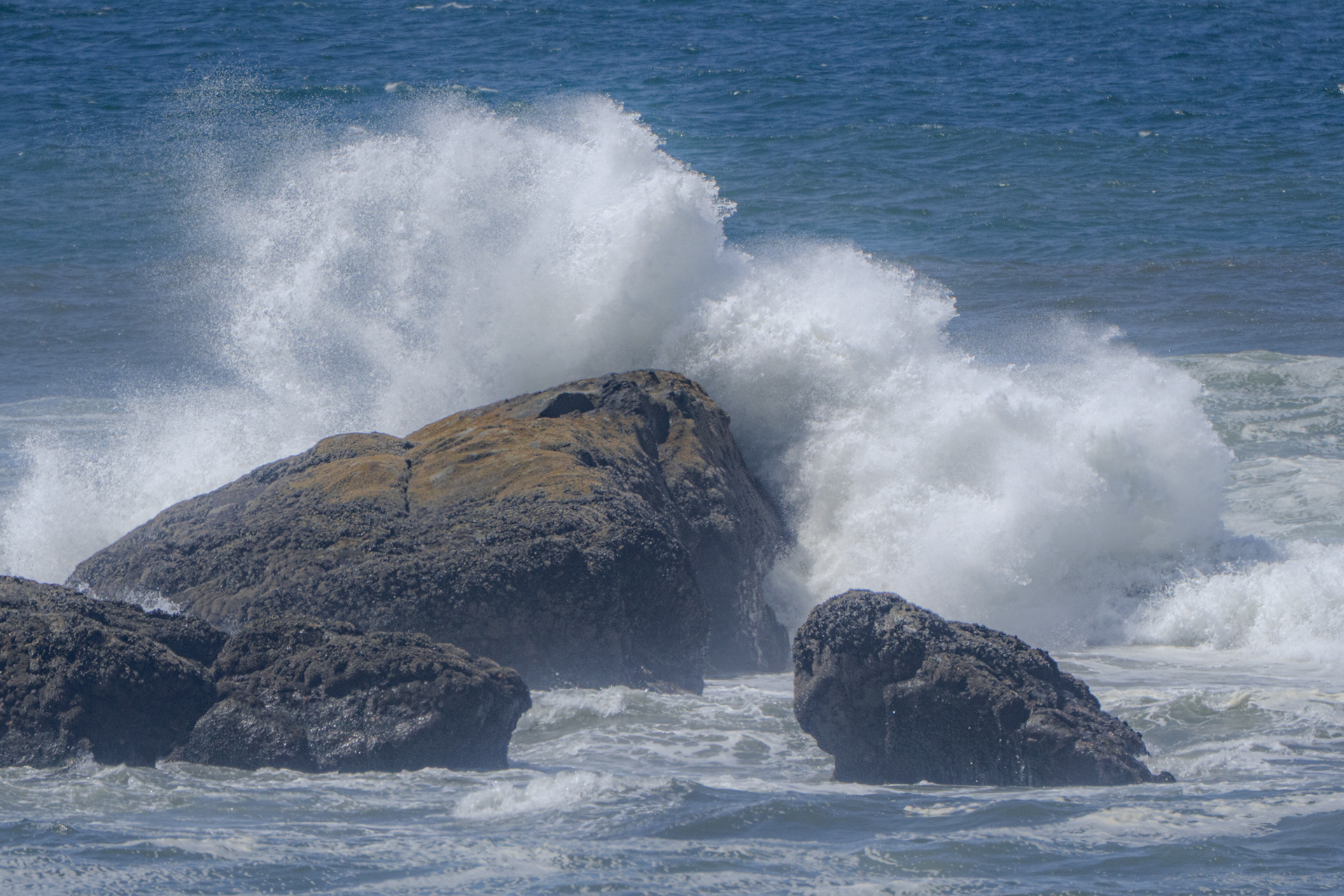
I had parked the RV at Copalis, that unassuming stretch of shoreline tucked between Ocean Shores and the wilder reaches of the Olympic Peninsula. It is the kind of place that announces itself in understatement. A wide horizon. A long ribbon of beach. Driftwood weathered into pale sculpture. The steady percussion of the Pacific. There are no marquees here, no flashing signs, only the promise of miles to walk and the slow business of doing nothing in particular.
Beginning with Mother's Day
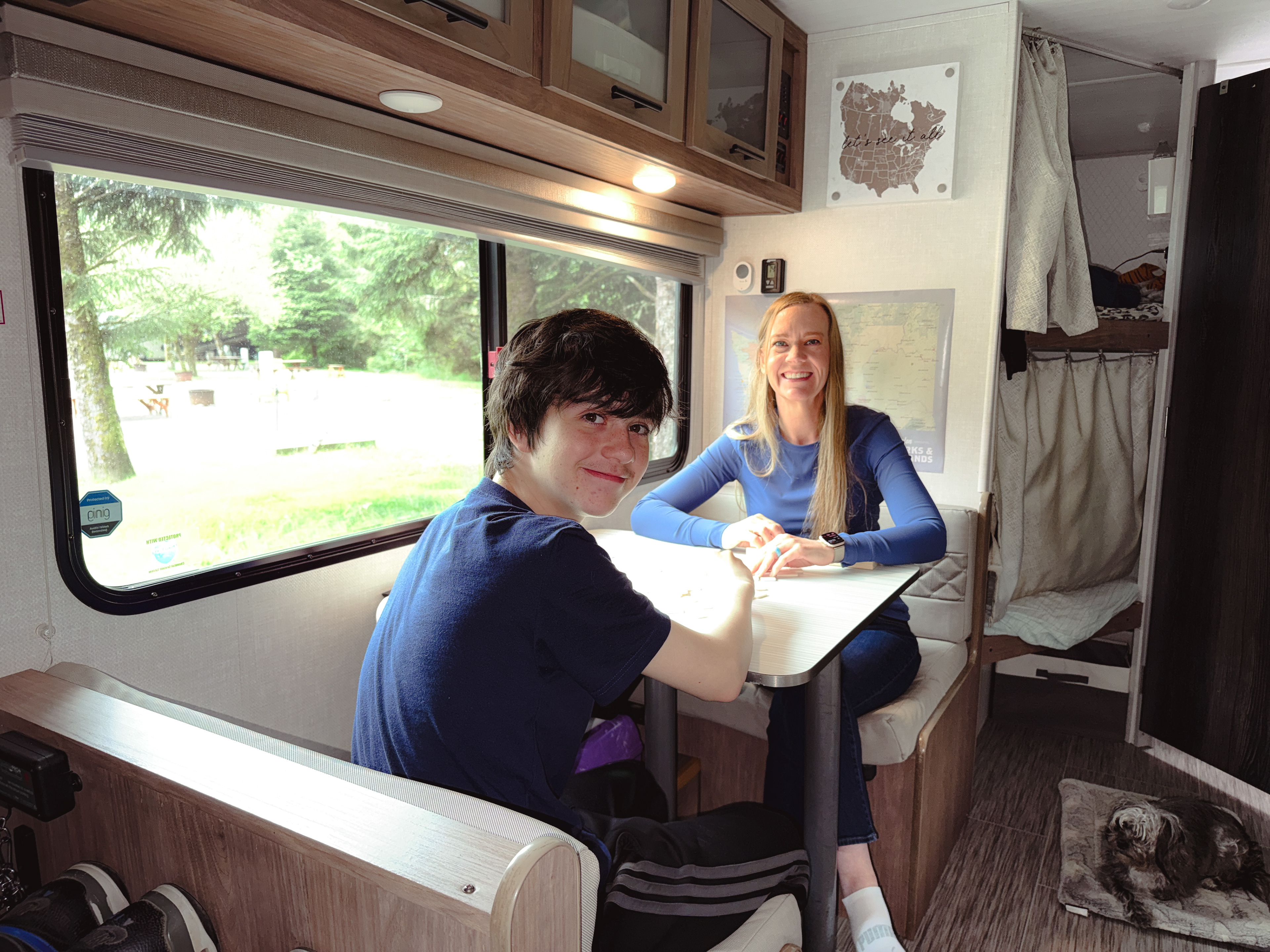
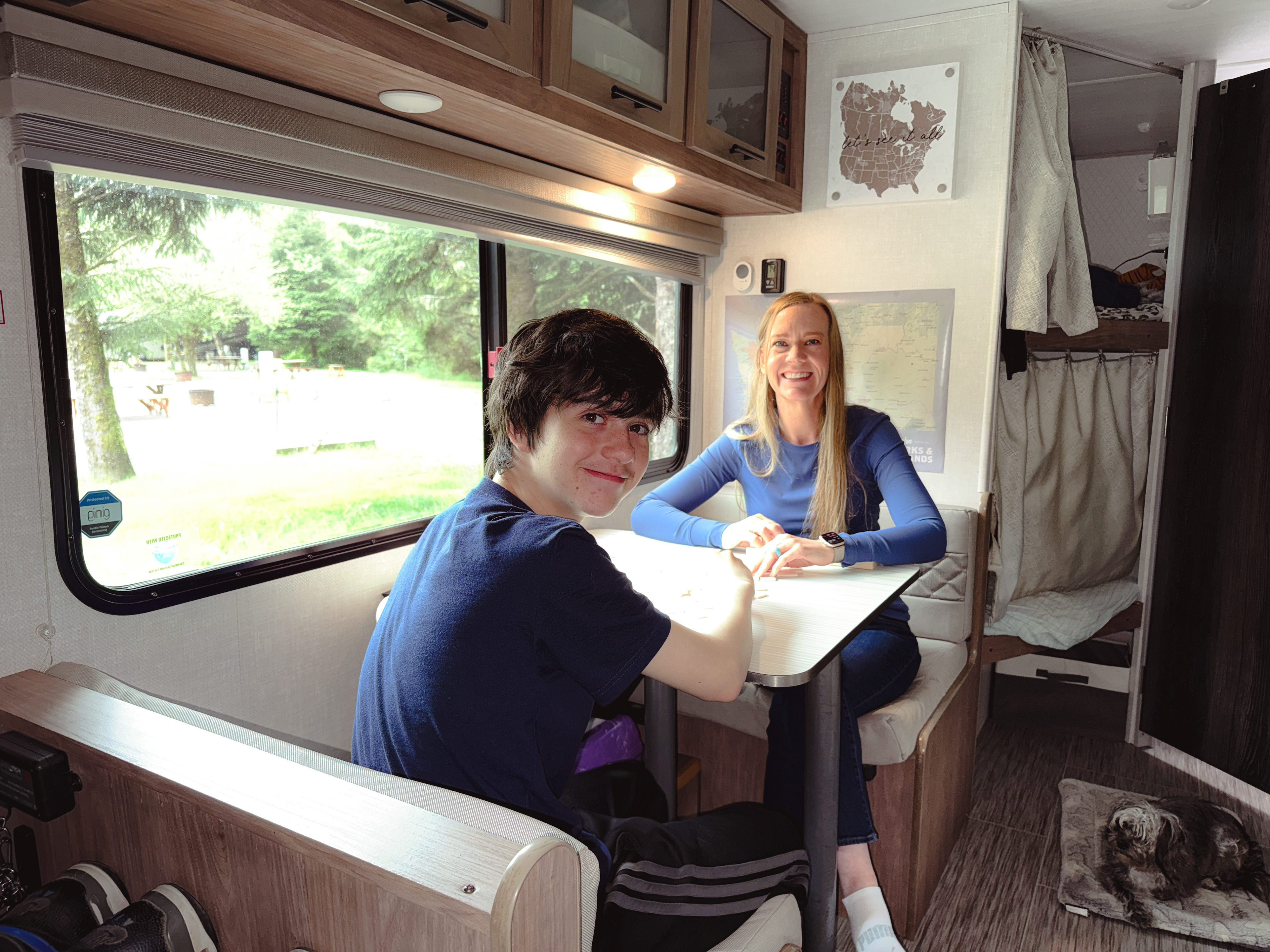
The trip opened on Mother's Day, and the camper became our family's little outpost of celebration. I had set out to spoil my wife spectacularly, and I think, by the gentle measure of these things, the day delivered. We began with takeout breakfast carried in warm paper bags into the camper, the kind of meal that feels twice as good when someone else has done the cooking. There were gifts. There were hugs. There were grins from the kids.
And then, the games. So many games. We played the kind of round after round that loses count of itself, the camper table strewn with cards and Rummikub pieces, laughter knocking around the small space, dogs underfoot and hoping for crumbs. By late afternoon, when the time came for my wife and the kids to head back home for their week of work and school, the camper felt distinctly emptier in their wake. The dogs and I waved them off, then turned, almost in unison, toward the beach.
Long Mornings on the Sand
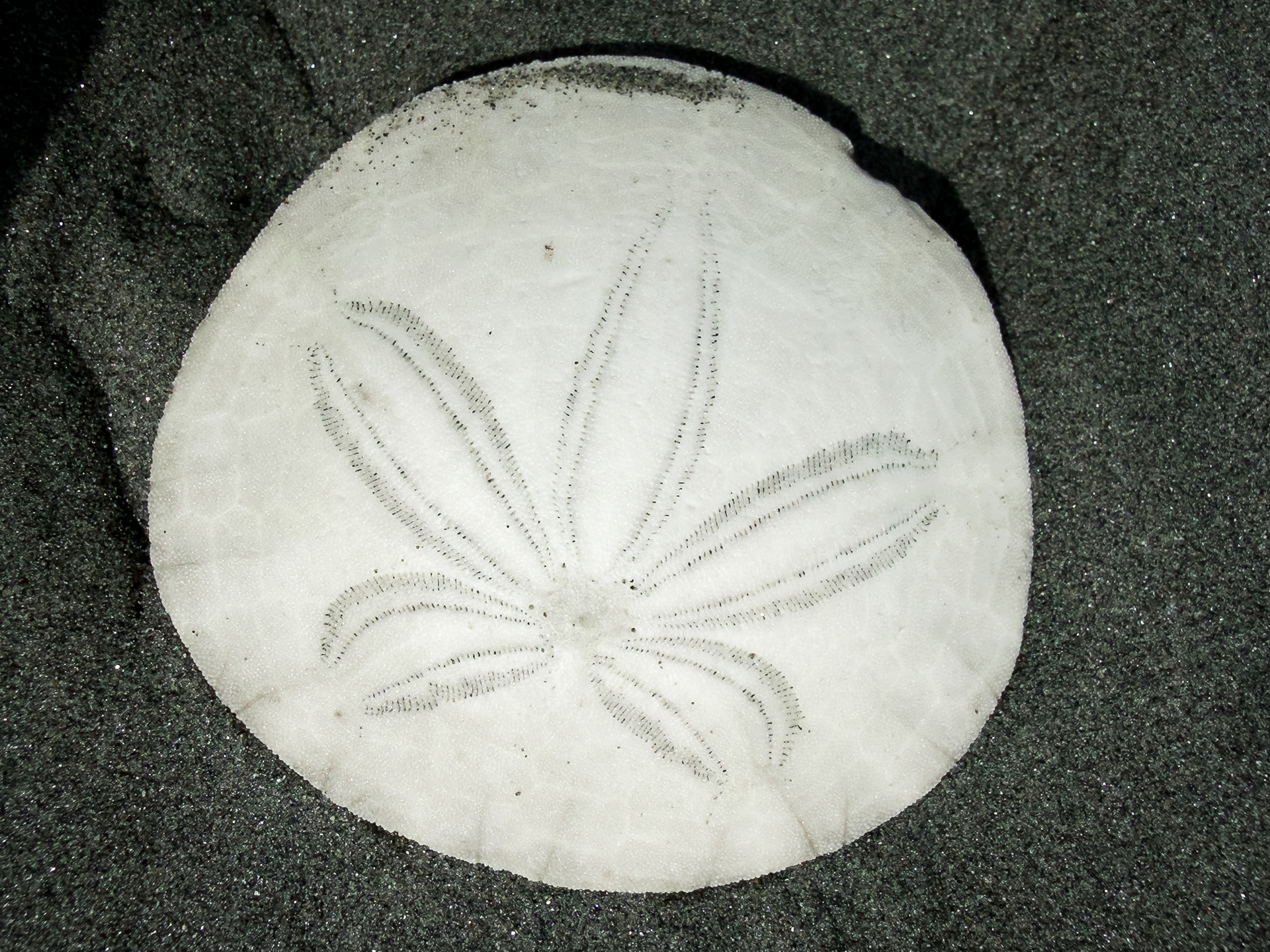
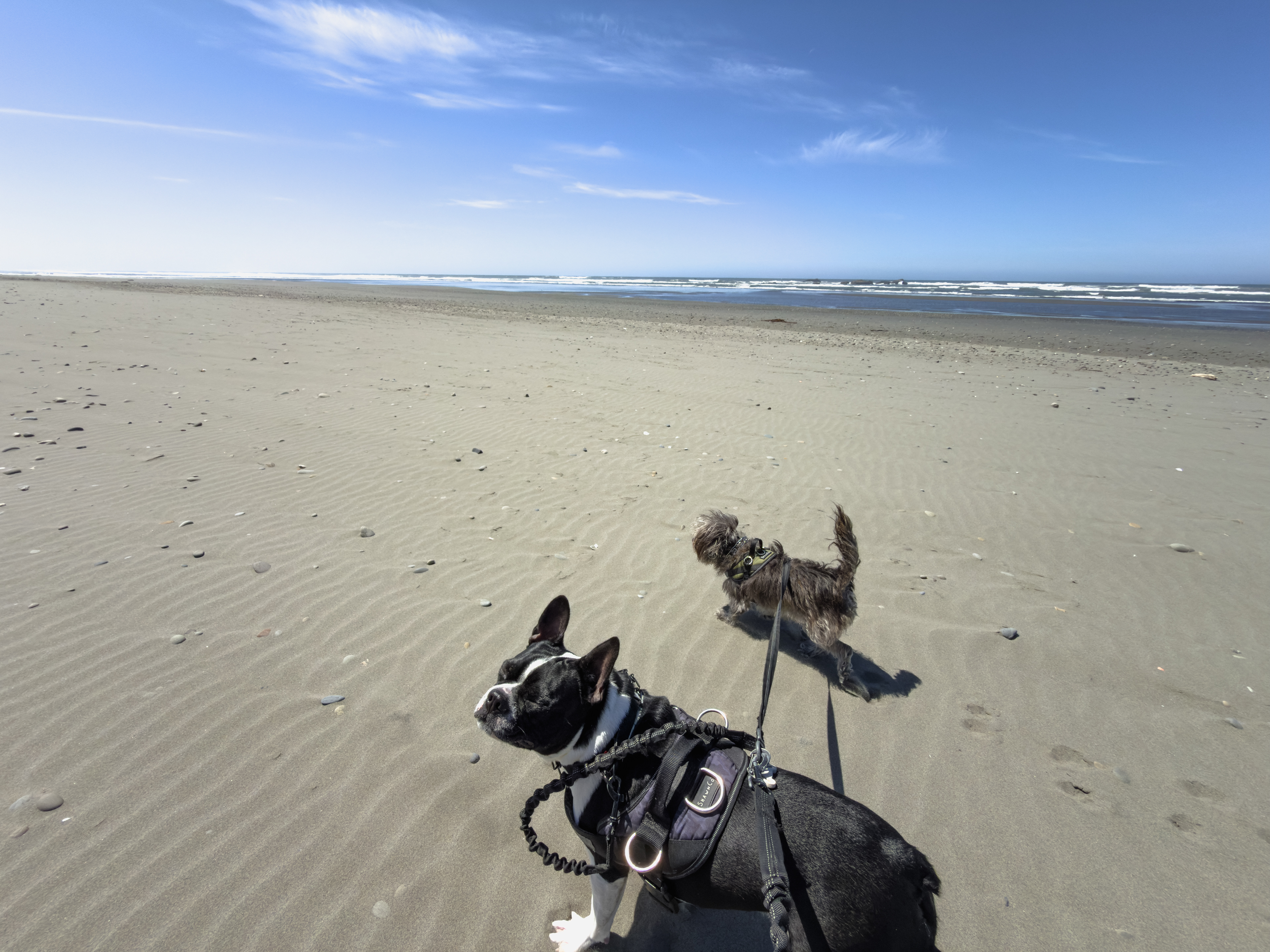
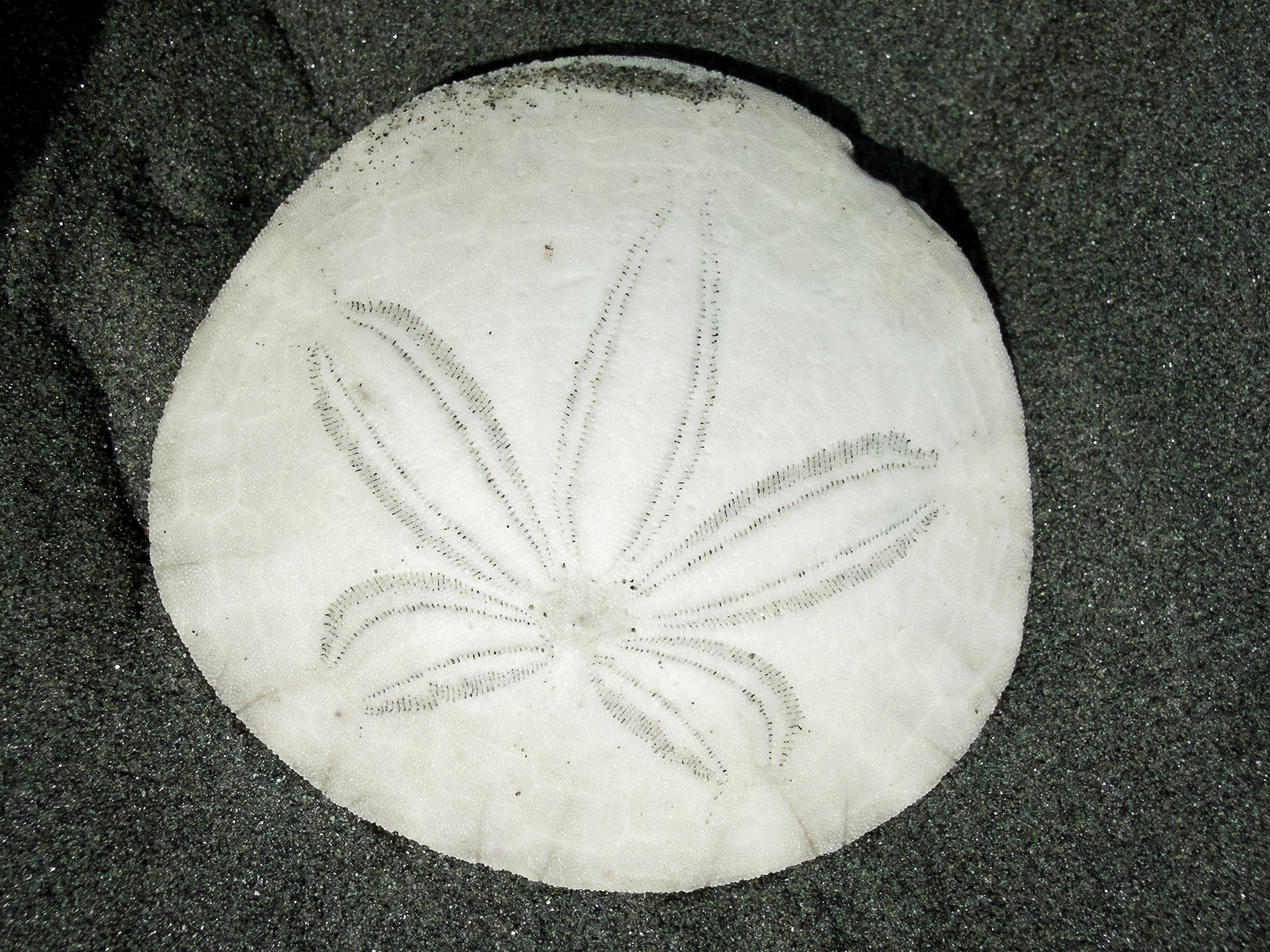
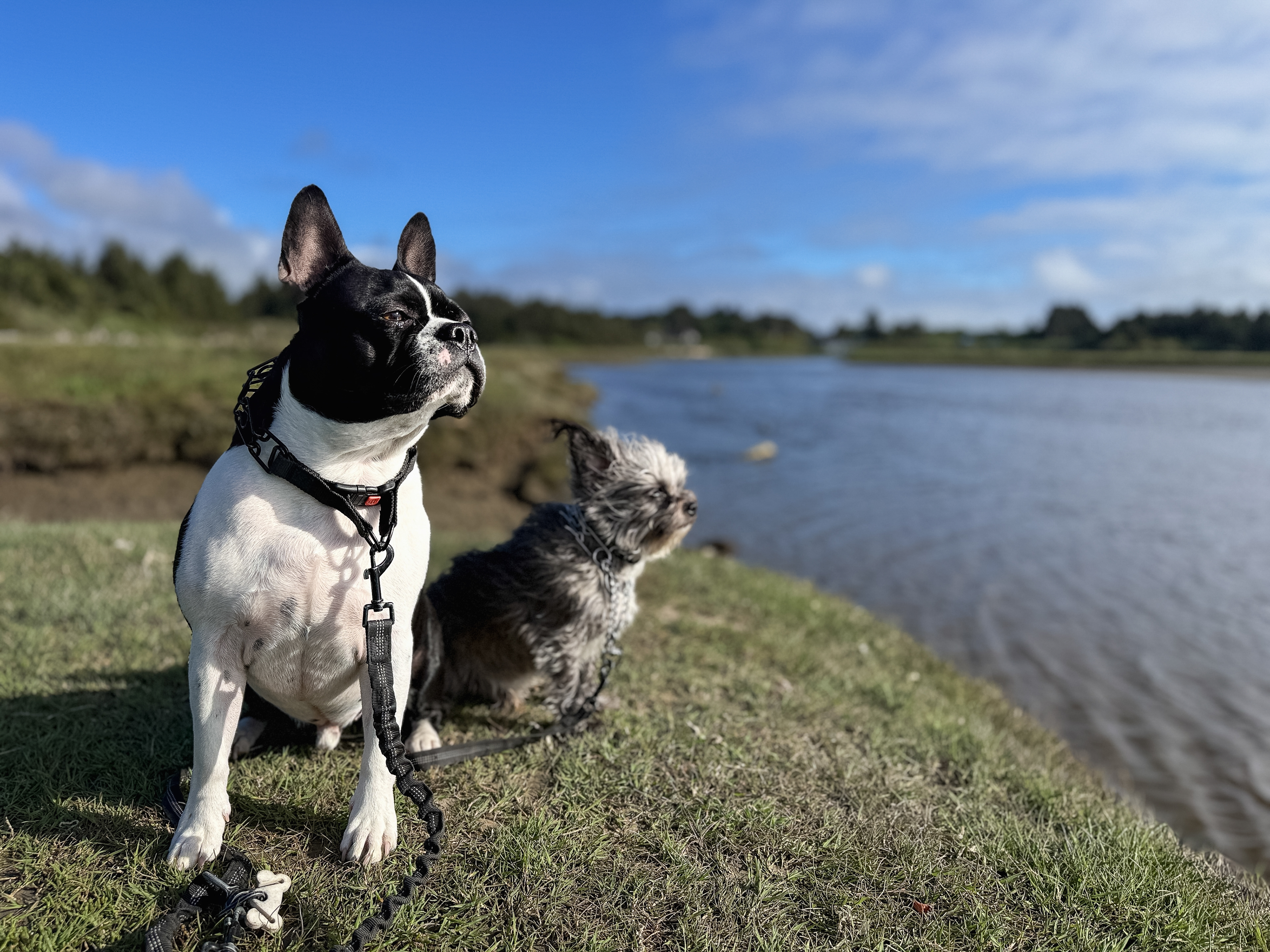
The dogs understood the assignment. Mornings began with a noses to the wind dash toward the water, ears flagged back in the salt air, and from there the rest of the day arranged itself accordingly. We walked. We walked for the sheer pleasure of walking, for the way the beach unrolls ahead in soft, infinite gradients of grey and gold, and for the strange truth that even an hour in, you can look back and see no one. The tideline becomes a quiet kind of company. A stray sand dollar. A tangle of bull kelp. The lacework of foam left behind by a retreating wave.
Spring on the Washington coast does not arrive politely. It comes in slanting light and big, watercolor skies, and on the lucky days, of which I had many, it brings sunshine that warms the cheekbones while the wind reminds you that the ocean is still the ocean. I wore the same fleece for seven days. I do not apologize for it.
A Flight of Pelicans
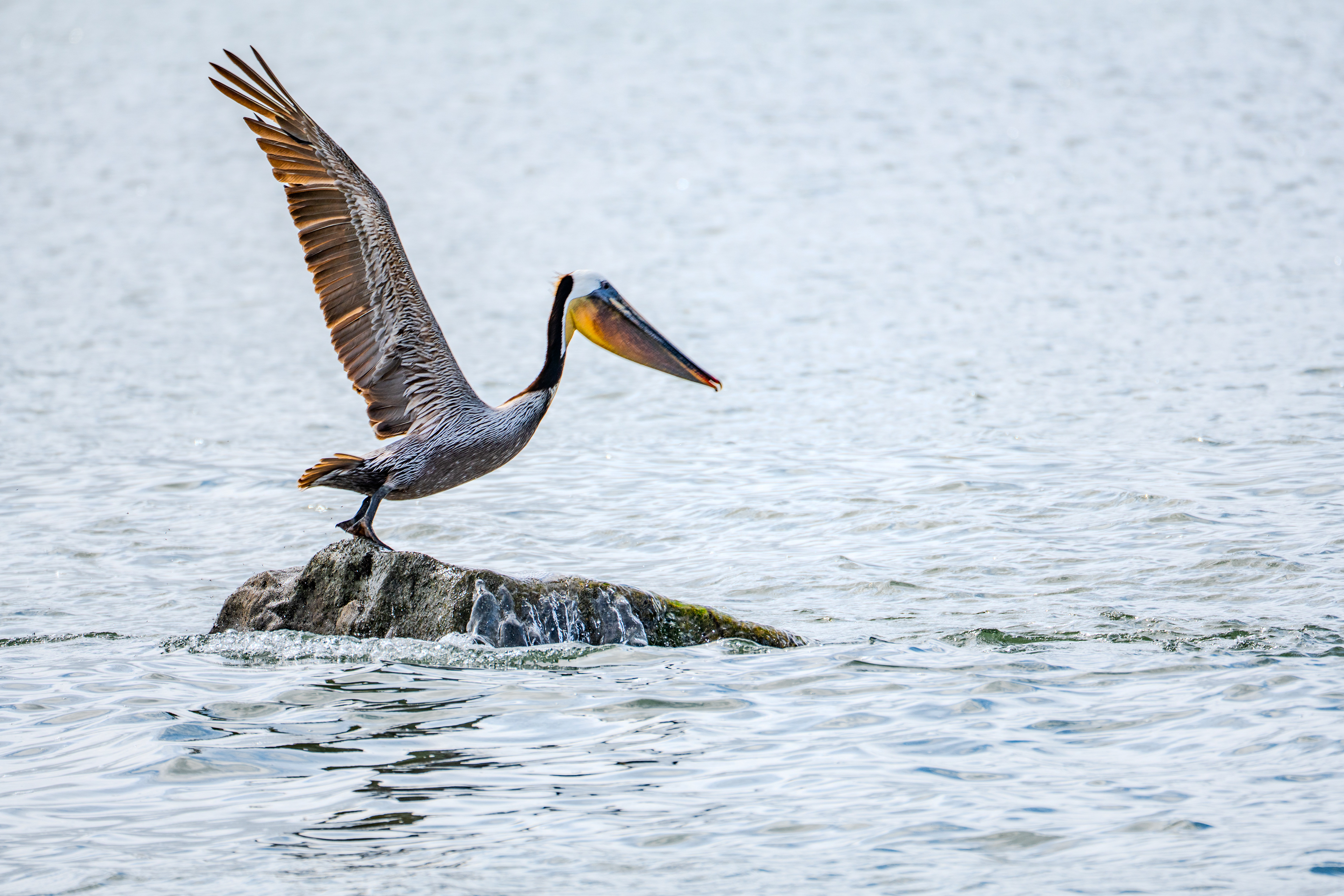
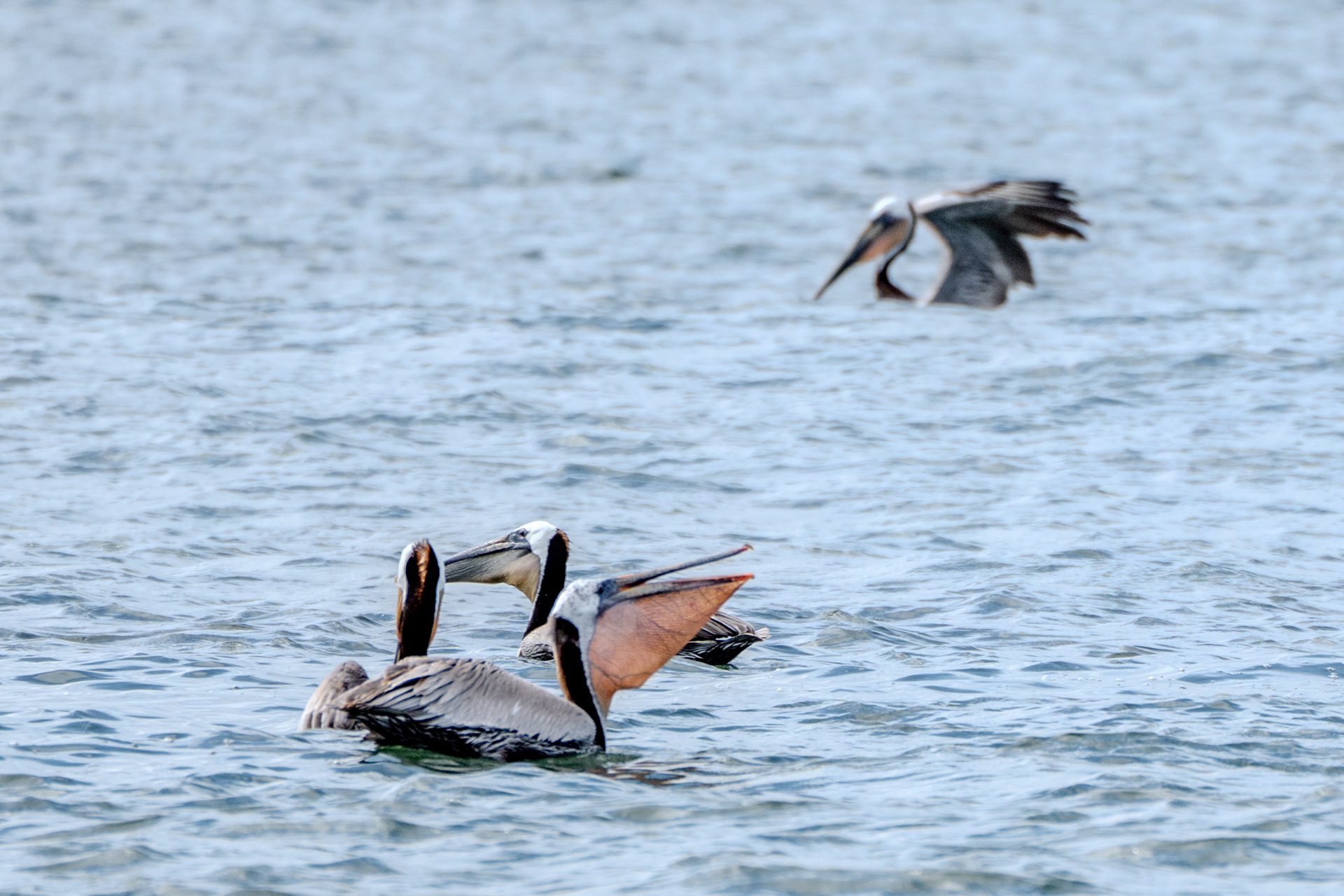
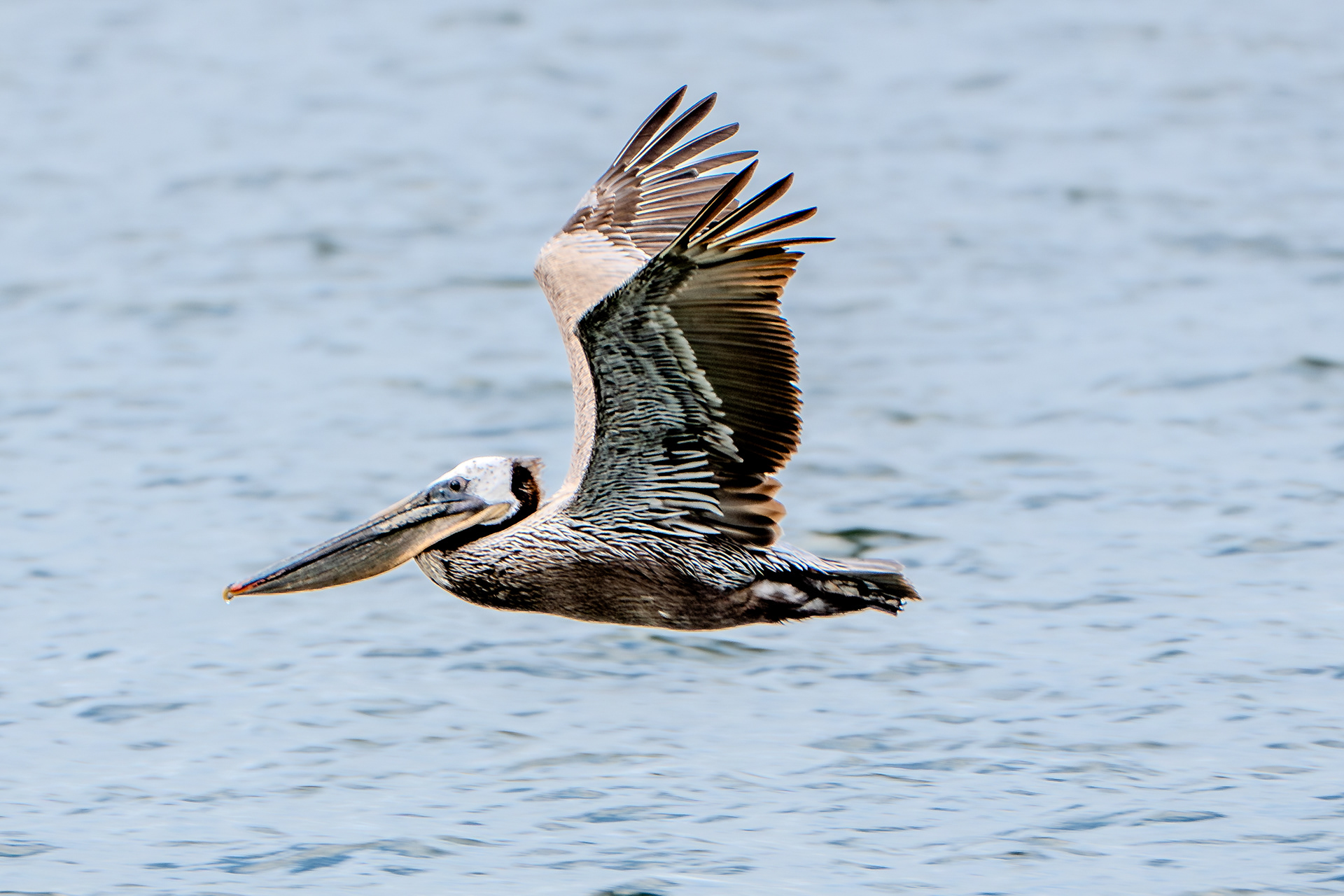
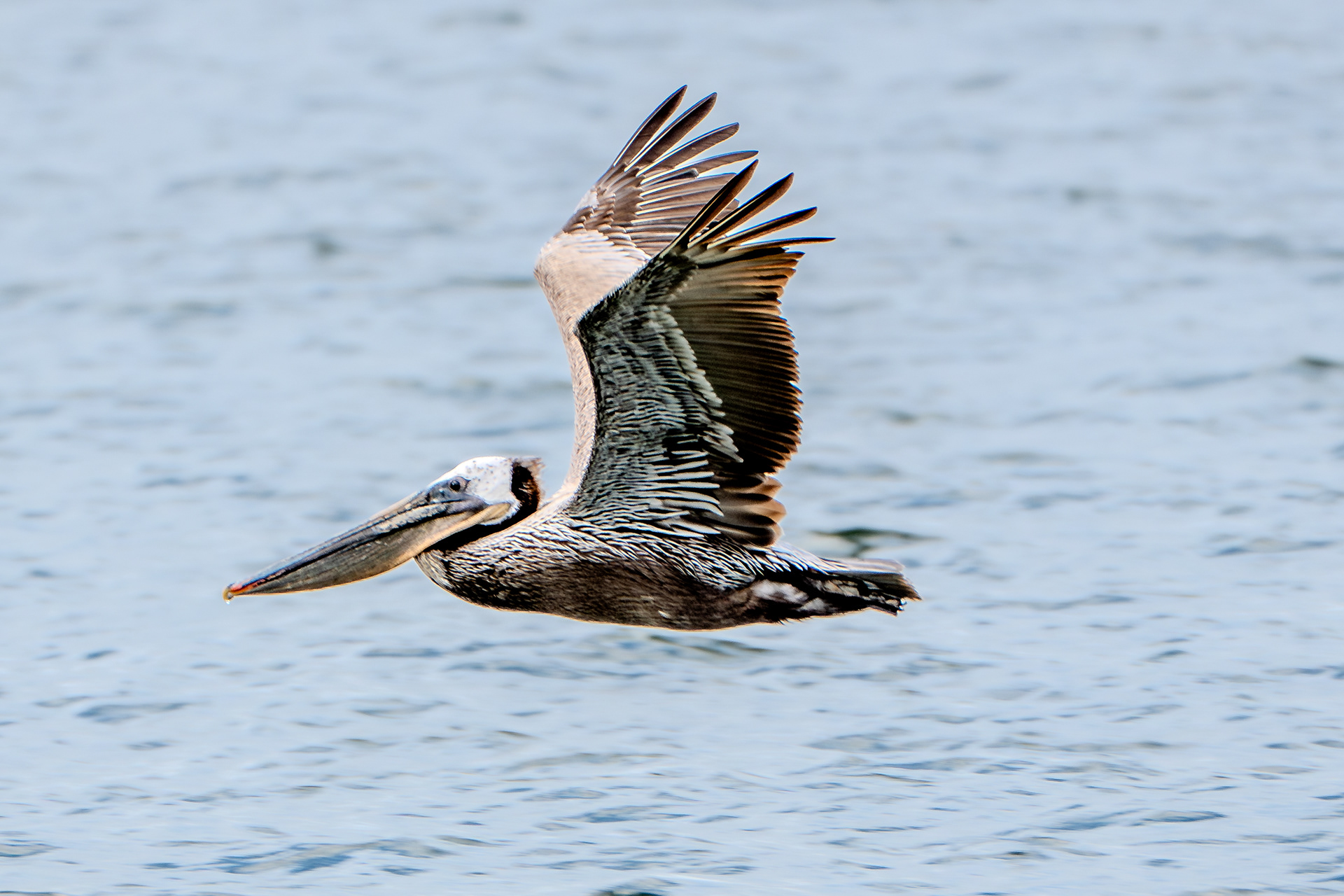
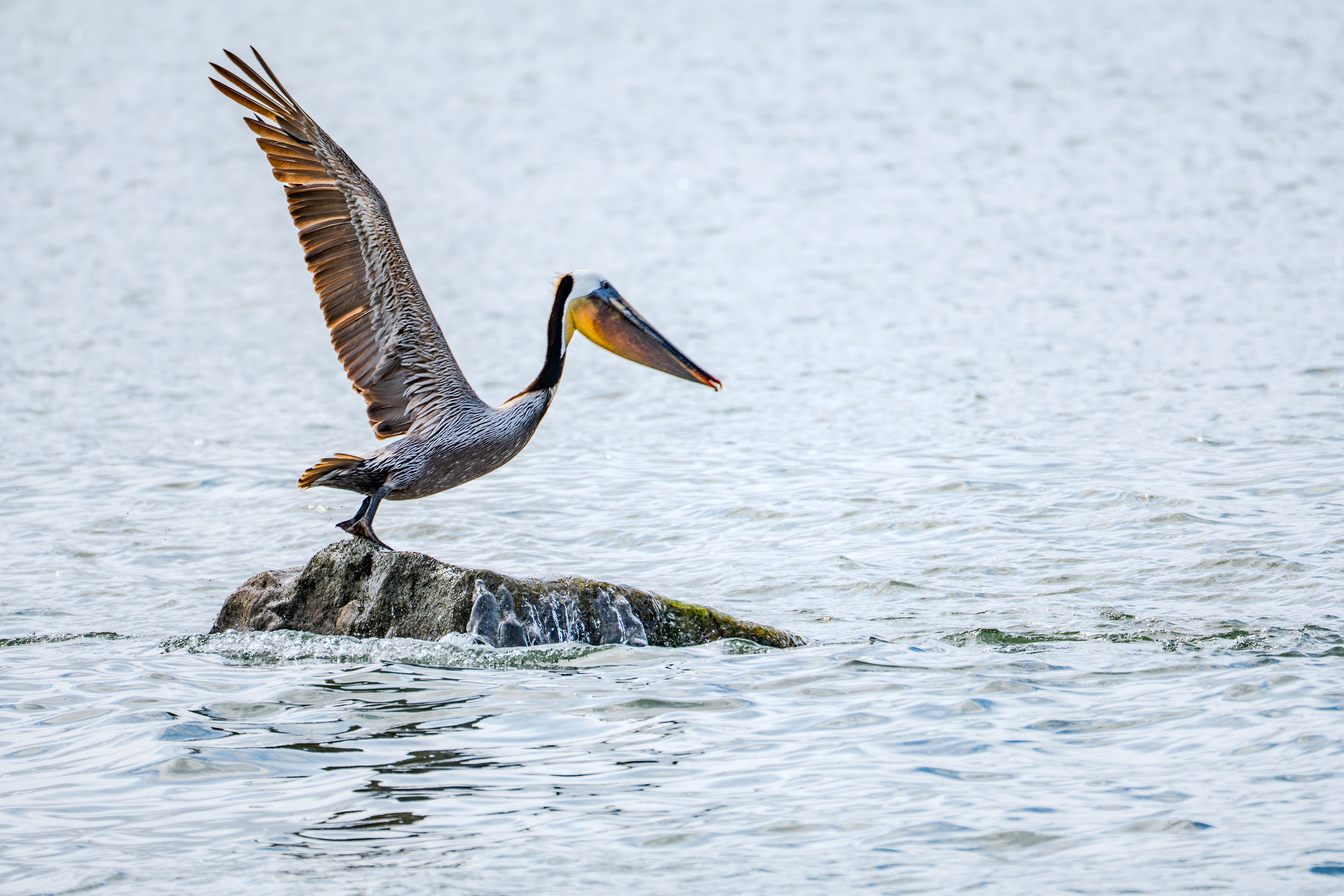
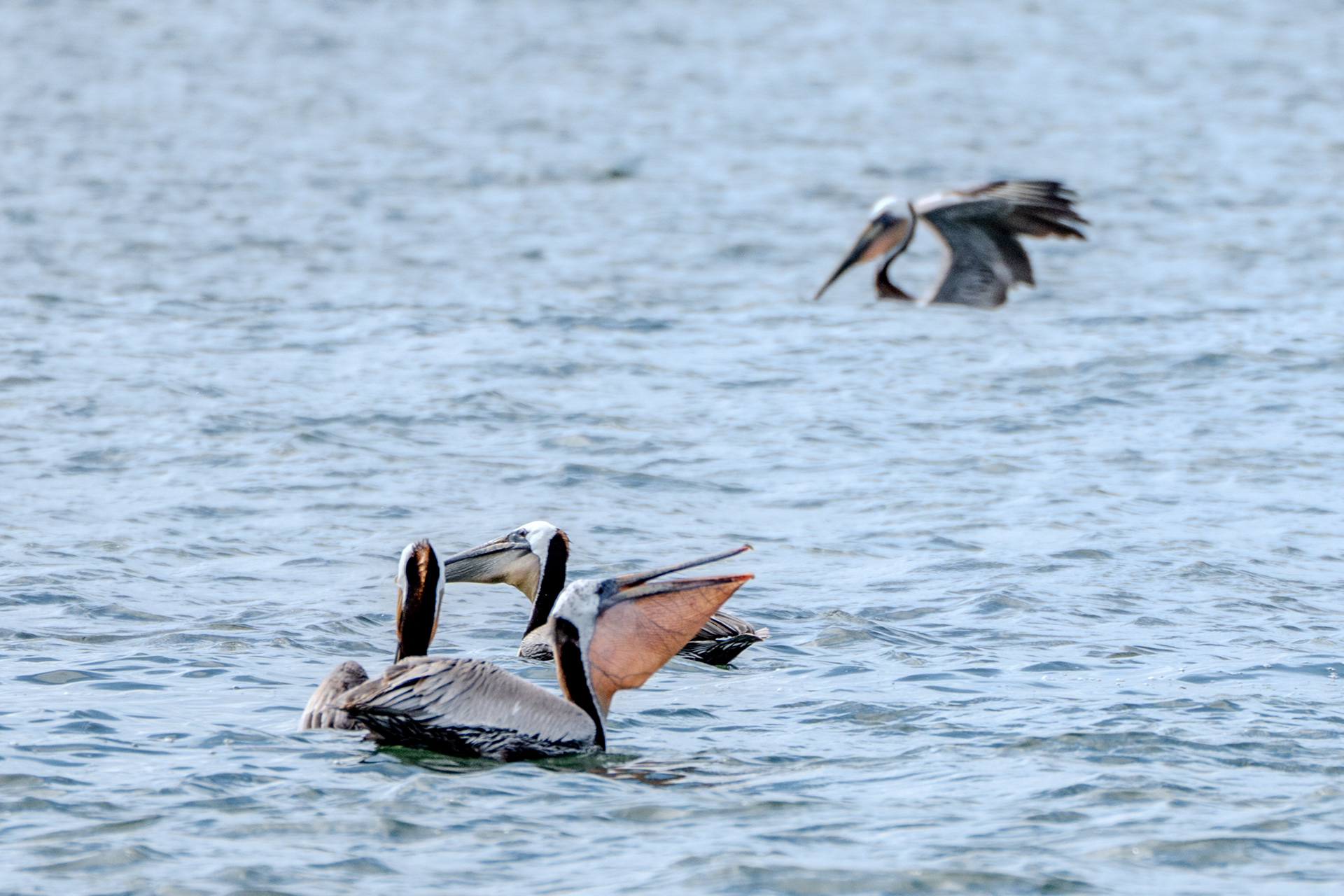
The brown pelicans had returned to the coast in their easy, prehistoric way, gliding low in single file along the swell line, wingtips a hand's breadth from the water, as though pulled forward on an invisible string. They are, in my private hierarchy of birds, near the top of the list. Improbable. Prehistoric. Faintly comic in profile. Devastatingly elegant in flight. I would stop mid stride and simply watch until the formation dissolved into the distance.
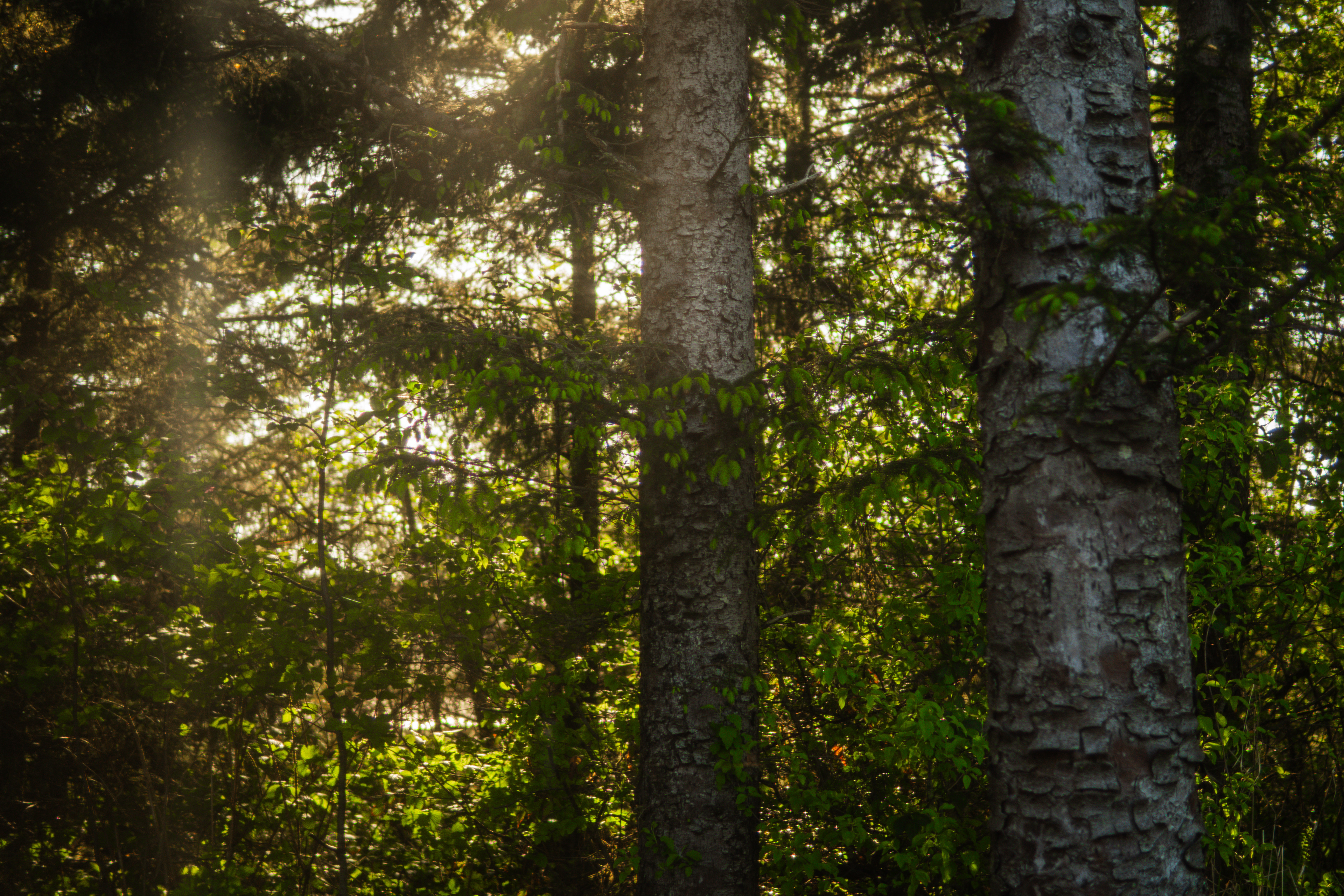
At the campsite, a different soundtrack took over. The mourning doves kept their slow, melancholy time from the tree line, three or four soft notes at a stretch (my wife I joke thinking their notes sound like they're saying, "What'd you do?", the sort of birdsong that does not so much fill the silence as deepen it. I let it.
Two Days of Rain, and the Pleasure of Staying In
Not every day was bright. A pair of soft, grey rainy days settled in midweek, the kind that smudge the horizon and turn the windows of the camper into watercolor panes. I welcomed them. There is something deeply restorative about being inside a small, warm space while the weather does its work outside. The dogs piled into their favorite spots, one half asleep at my feet, one watching the rain track sideways across the glass. I made coffee. I read. I listened to the soft patter on the roof and felt no obligation to do anything about any of it. A camper, on a rainy coastal afternoon, is one of the cozier places a person can be.
The Camera, the Crab, the Calm
I had brought a camera with the half formed intention of getting serious about photography. What I rediscovered, instead, is that the most patient teacher is the coast itself. The changing light. The wet sand catching cloud shadow. The dogs in mid stride. The pelicans drawn in long horizontal lines against the surf. Some frames will be keepers. Most will not. This, too, is the point.
And no week along this coast would be honest without mention of the food. One afternoon, sun warm and salt creased, I found my way to a Dungeness crab sandwich. Sweet, briny, generously piled, the kind of sandwich that justifies the entire concept of a coastal road trip in a single bite. I ate it slowly. I ate it like someone who had nowhere else to be, because I had nowhere else to be.
Evenings, and the Art of Doing Less
The evenings tapered as evenings should. A low orange band at the horizon. The dogs sprawled and sandy. The camp settling into its small noises. I did not check the time more than I had to. I did not rush. The week was the assignment, and the assignment was rest.
It is easy, in the hum and shimmer of working life, to forget that recharging is a literal process. A body and a mind, like a battery, need to be plugged into something larger than themselves. For me, that something began with a kitchen table of laughing kids and a wife I love, and continued, in its softer form, with the Pacific, the dogs, a long horizon, sunshine on a quiet beach, and the gentle drum of rain on a camper roof.
Copalis asks very little of you, and is generous in return.
Filed from the coast, with sand between my toes.
One Lens, One Friend, One Evening
There is something quietly radical about showing up with less.
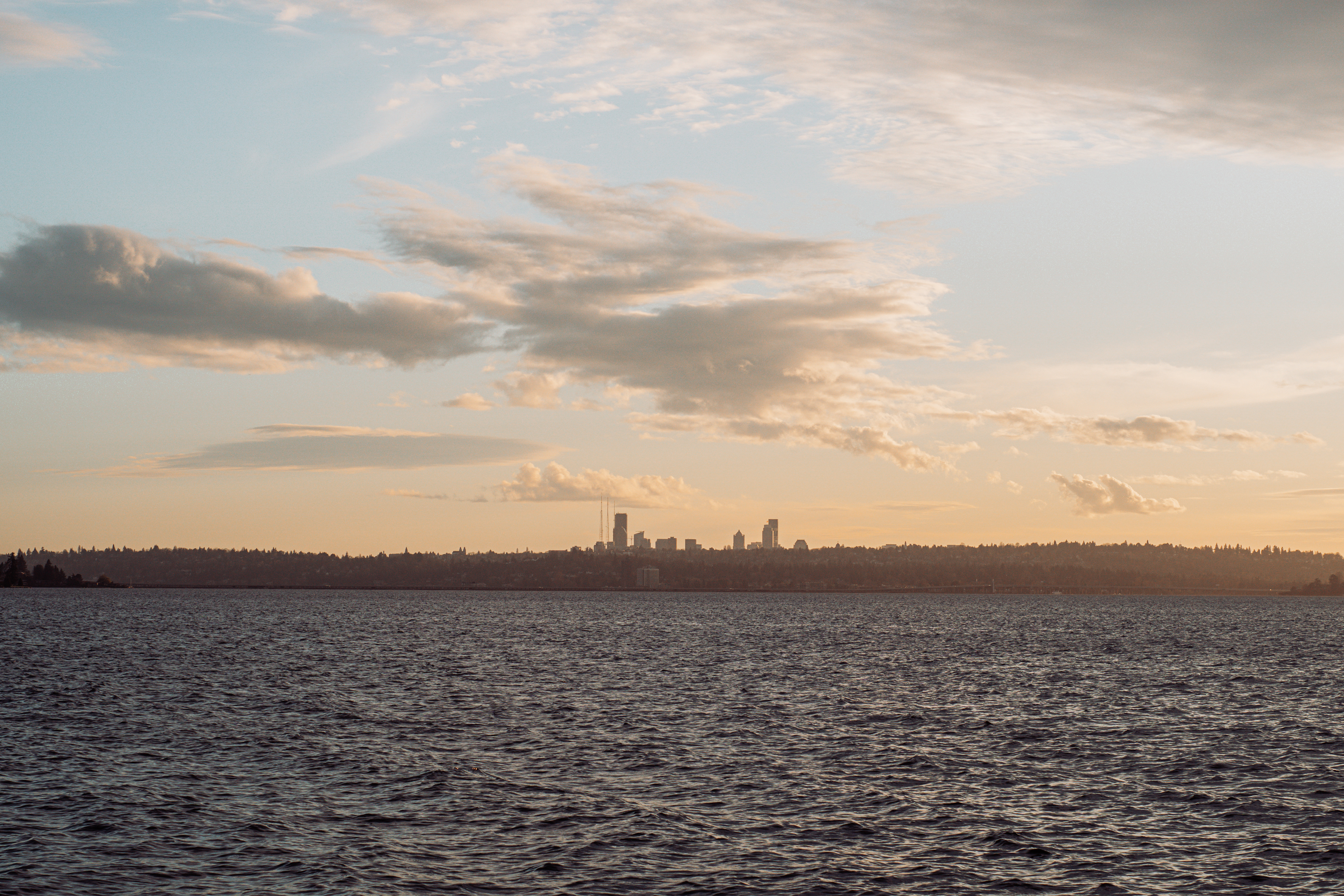
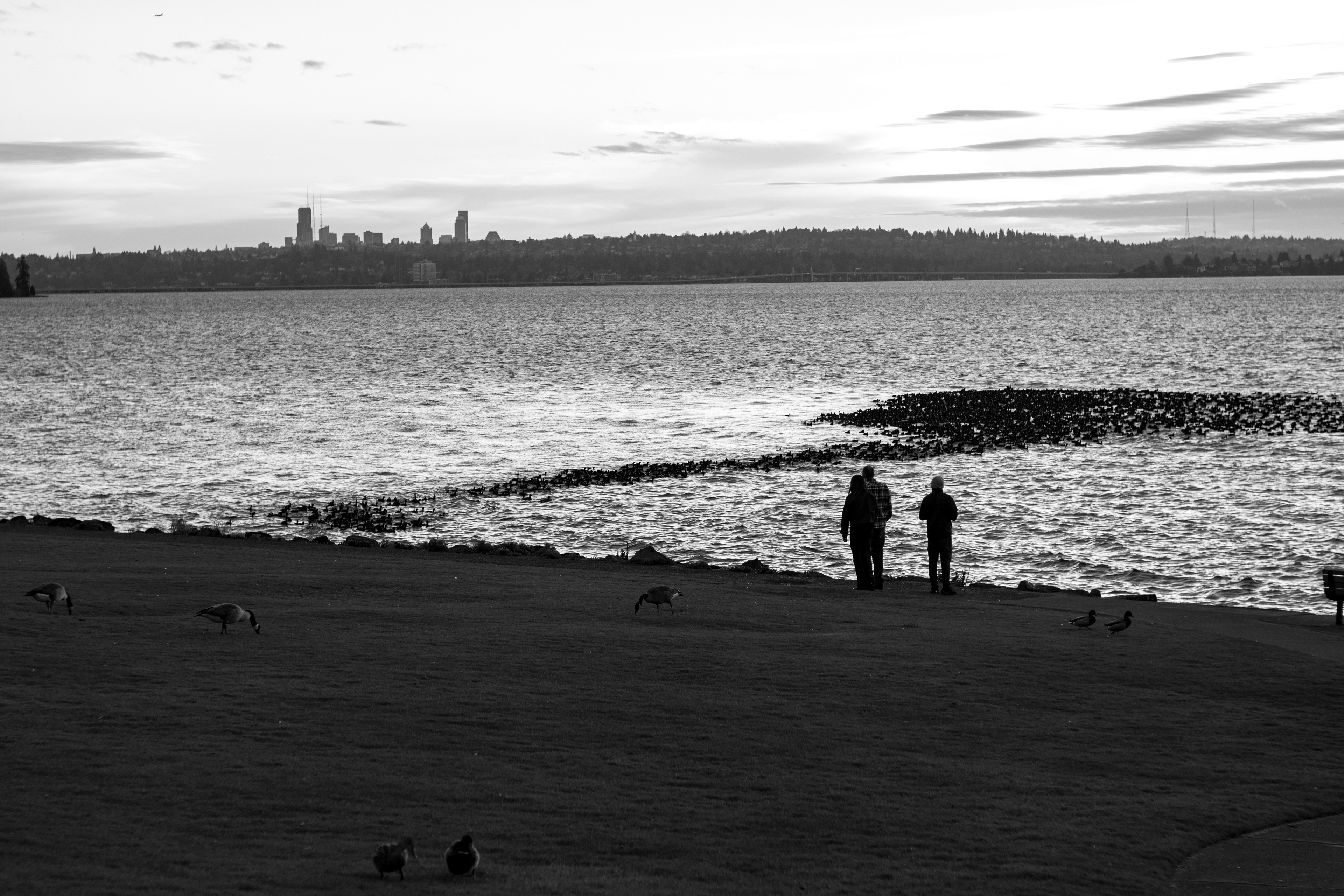
We didn't plan it as an experiment, exactly. My friend Ralph and I agreed on a single rule before meeting up along the Kirkland waterfront yesterday: one camera body, one prime lens. No zooms. No safety nets. No swapping. And, just to keep it honest we wouldn't tell each other what we'd chosen until we arrived.
We both showed up with a 50mm.
Of course we did.
The 50mm is the great equalizer of the photography world; close to how the human eye renders the world, close to how memory frames a moment. There's a reason photographers keep coming back to it. It doesn't flatter or distort. It simply shows you what's there and asks you to find something worth keeping.
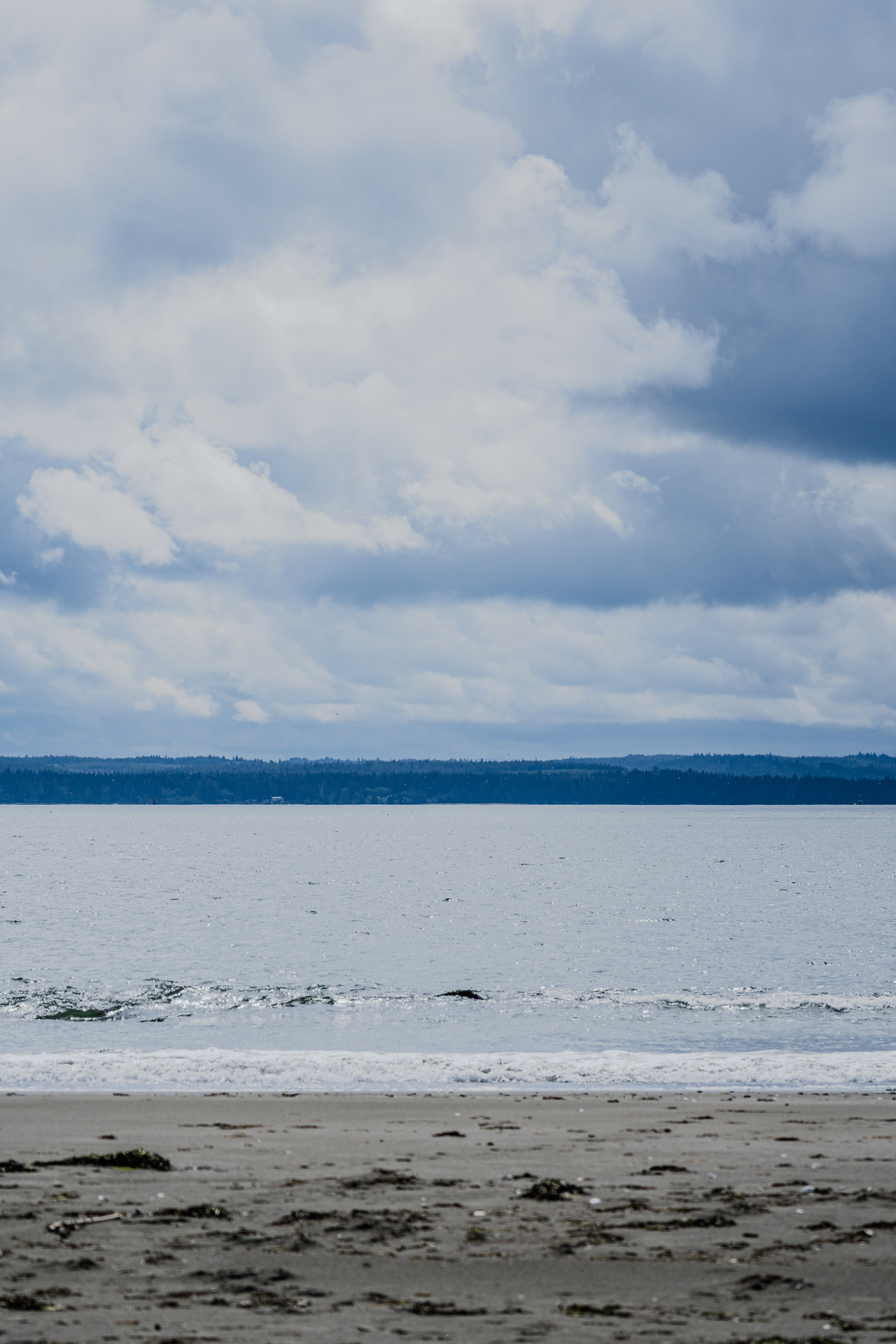
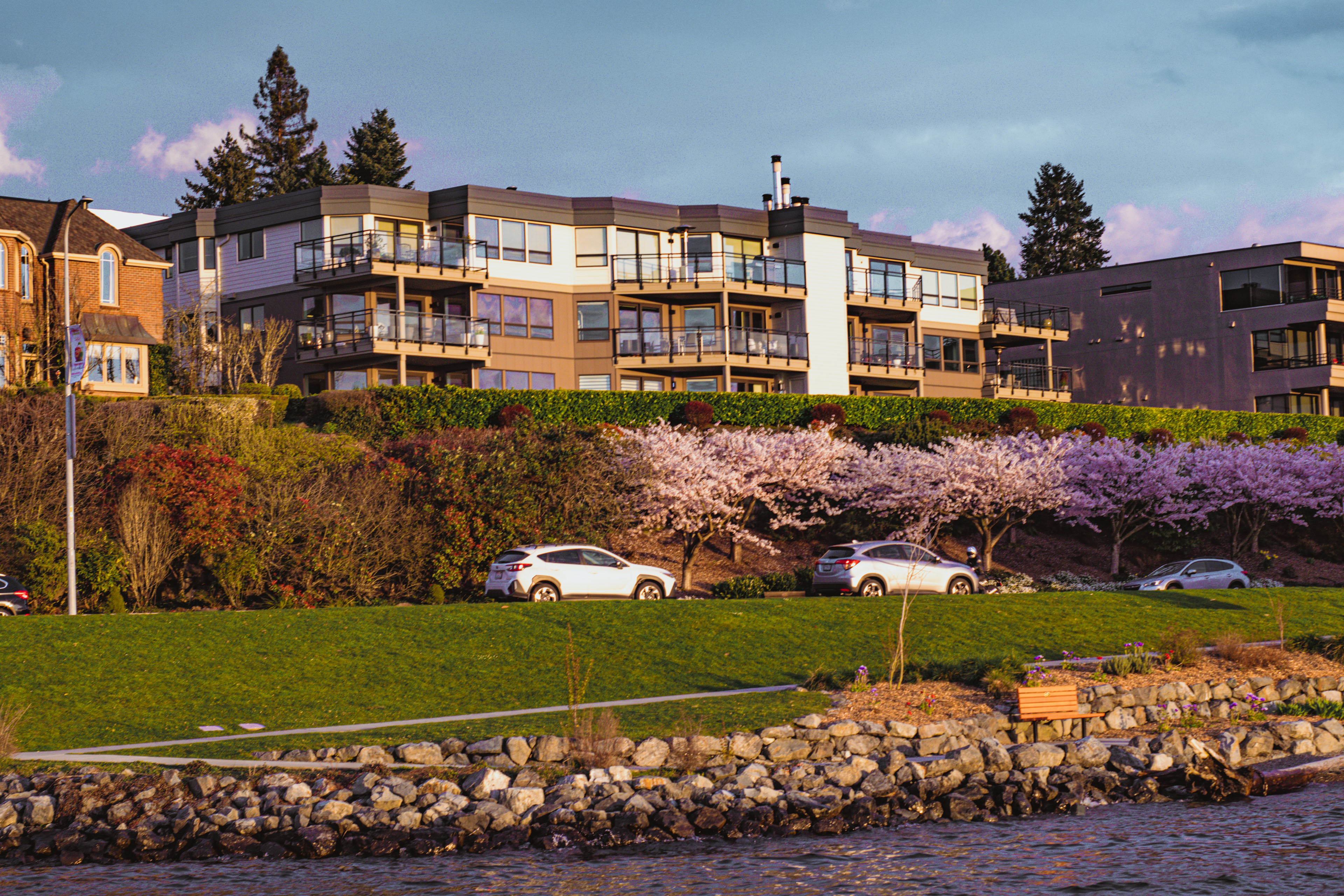
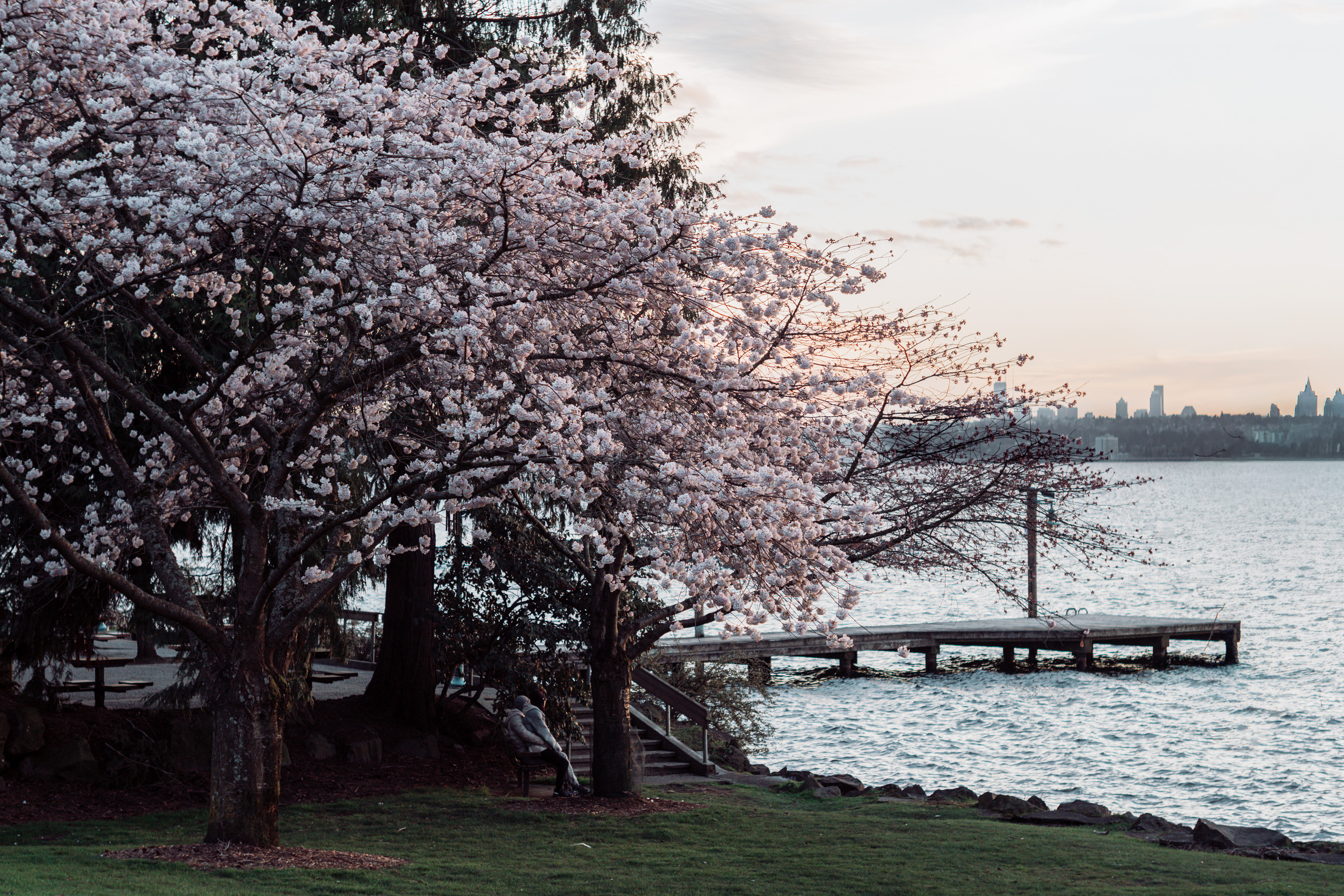
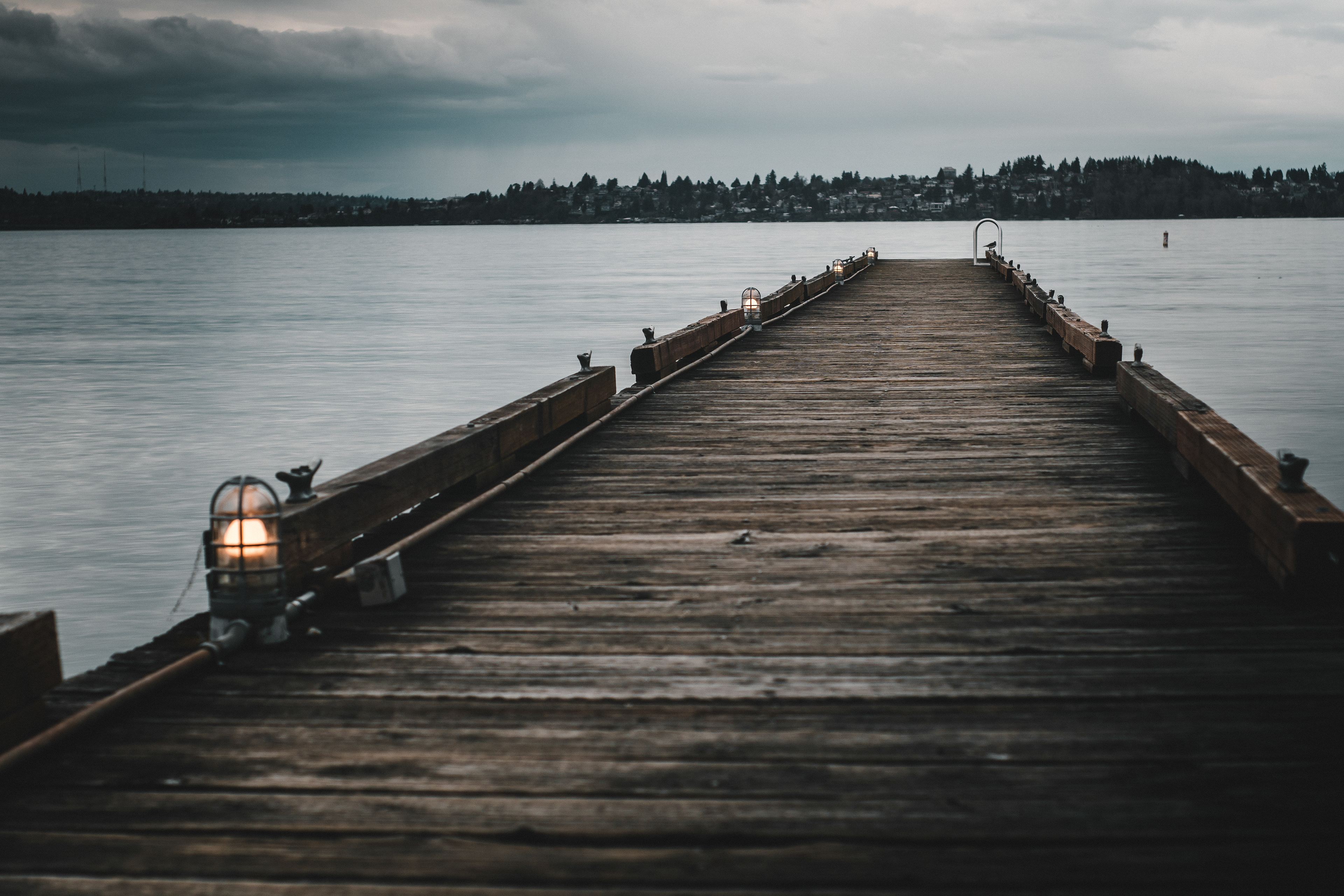
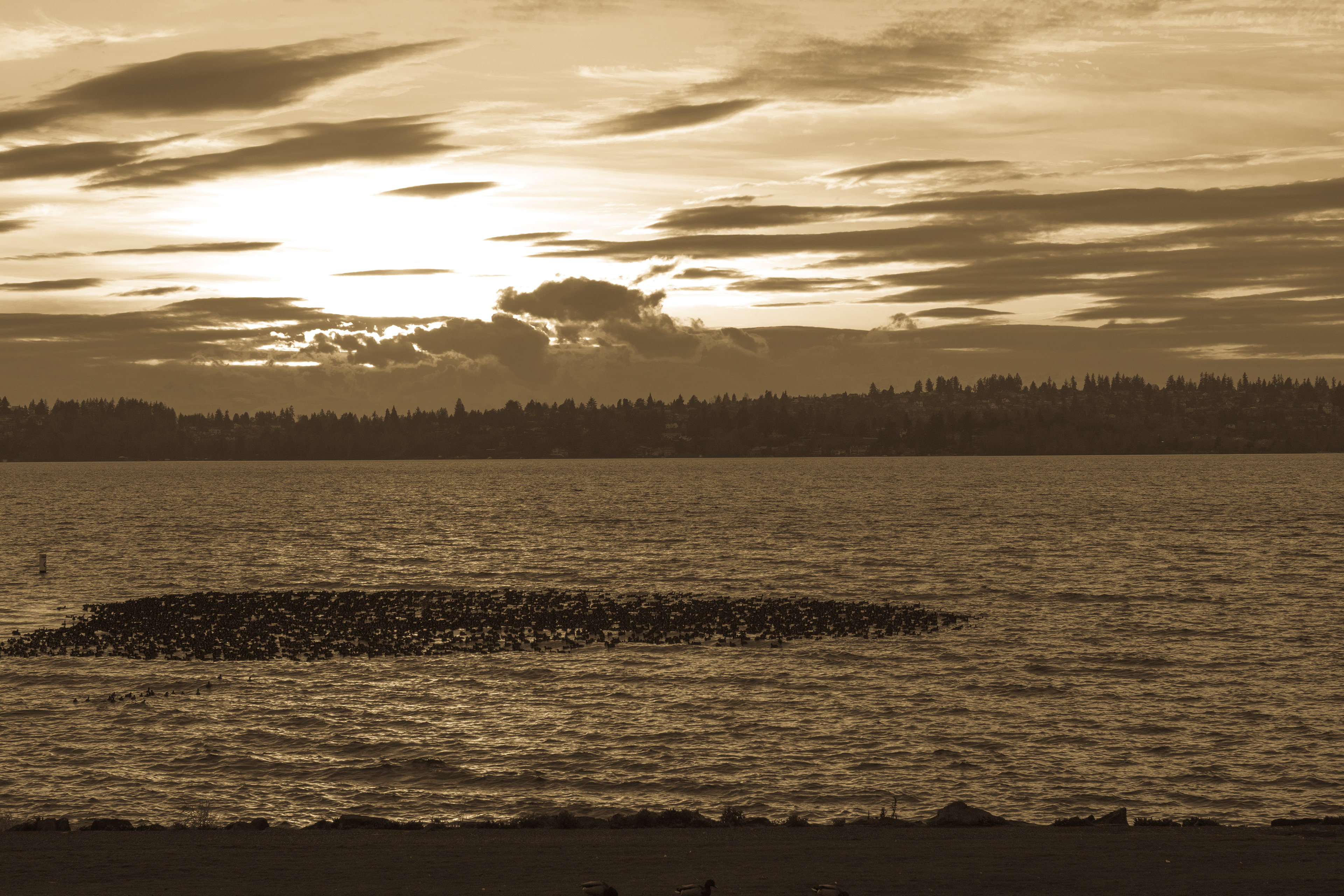
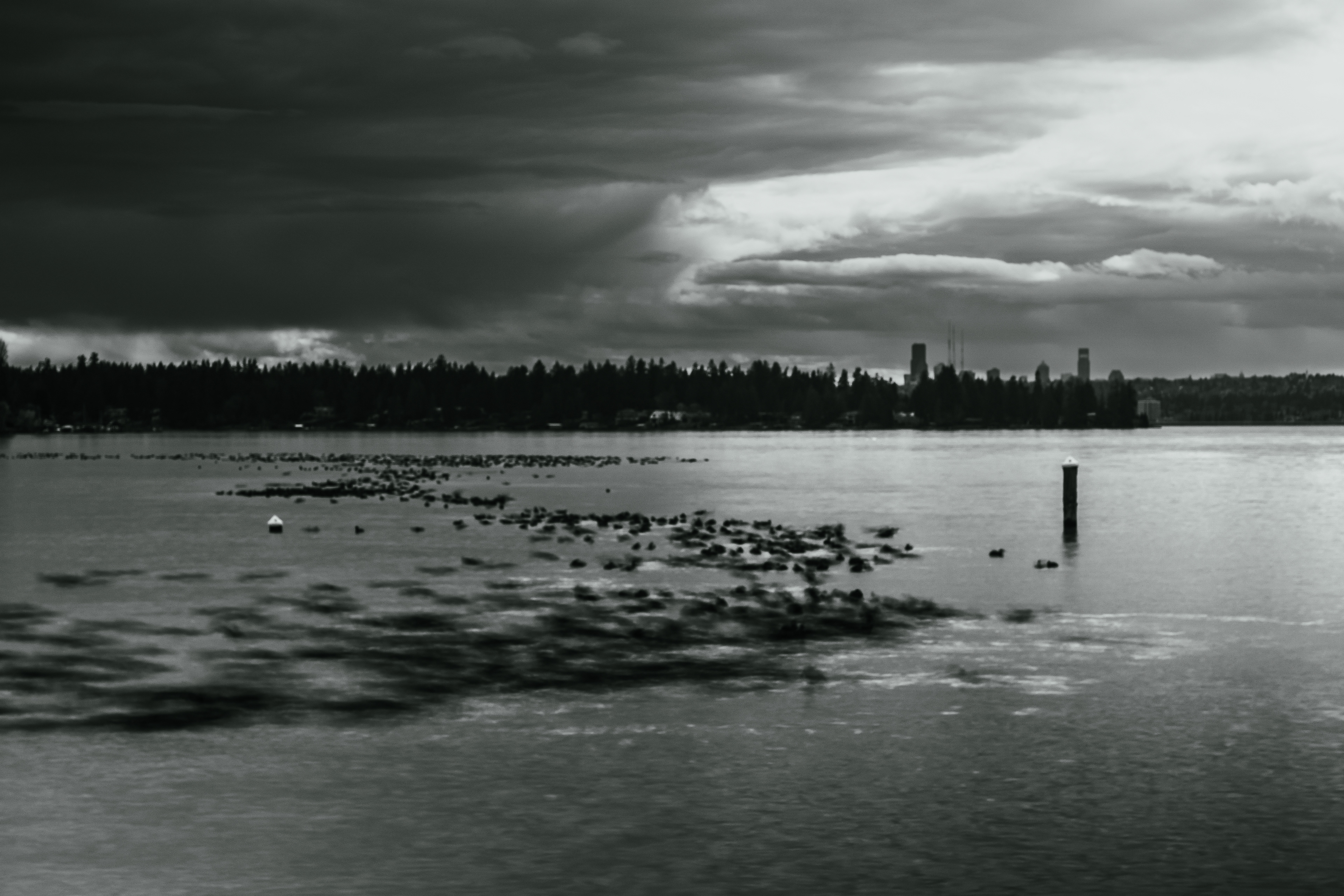
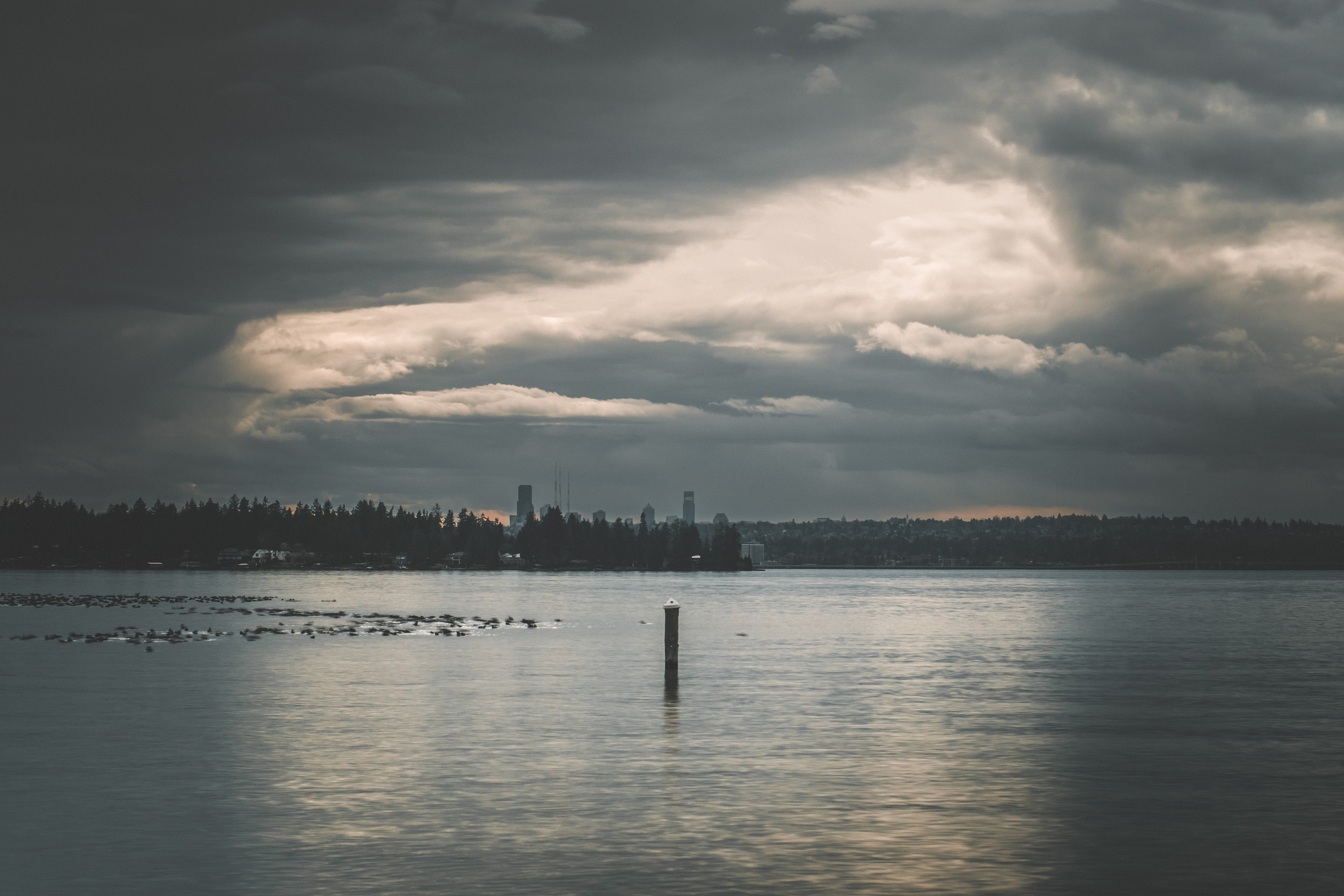
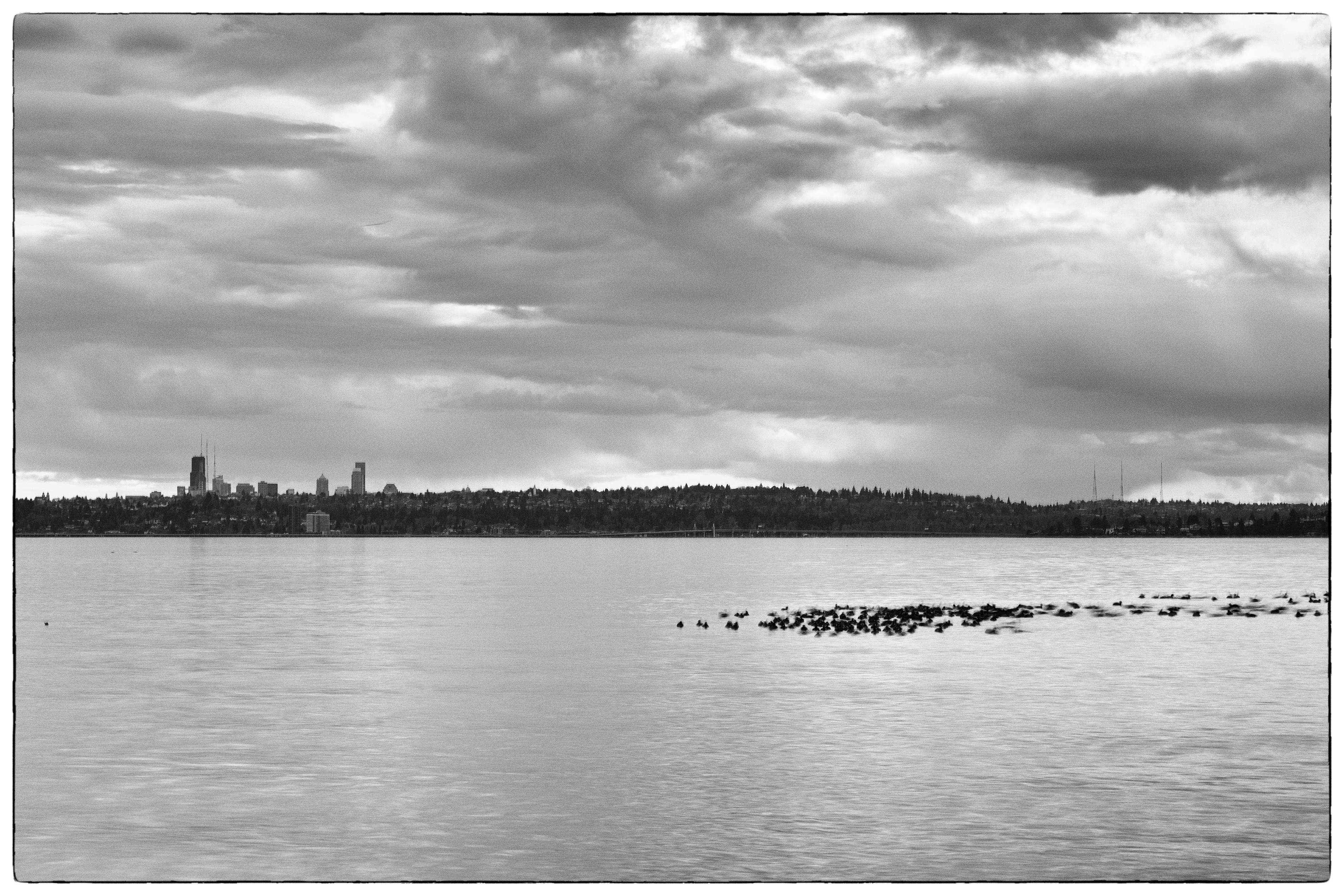
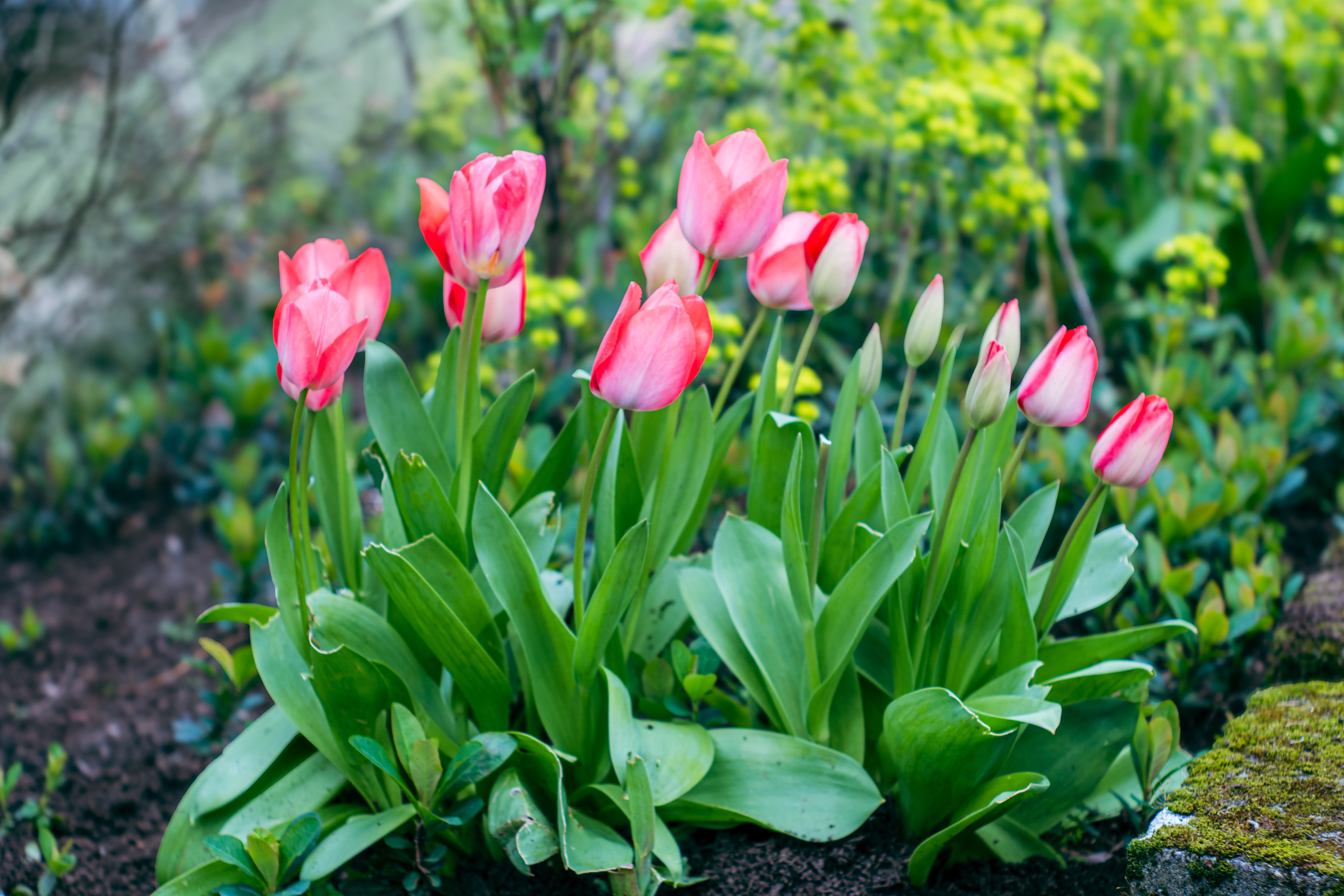
Kirkland's waterfront offered itself up generously. Spring blossoms pushed through in soft clusters along the path. Ducks drifted unhurried across Lake Washington, and through the evening light, Seattle's skyline sat quietly at the far edge of the water; present without demanding attention. High clouds had moved in and stretched thin across the sky, the kind that signal a change is coming; the Pacific Northwest quietly closing the chapter on a sunny stretch and turning the page toward rain. But the clouds weren't seamless. Breaks opened here and there, and the evening light pushed through in long, deliberate shafts; the kind of light that doesn't last and knows it, which makes it worth chasing. It wasn't the dramatic sunset we'd talked about. But it was honest light, and honest light has its own reward.
We'll go back for that sunset. Maybe somewhere along the Sound with the Olympic range stretched across the frame. We already agreed on it before we said goodbye.
What I didn't expect, or maybe what I'd quietly hoped for but wouldn't have admitted, was how effortlessly twelve years collapsed into nothing. Ralph and I hadn't walked together with cameras in over a decade. We hadn't seen each other at all in about as long. And yet somewhere between the ducks and the blossoms and that transient evening light, the rhythm of an old friendship just resumed. Like returning to a location you shot years ago and finding your eye still knows exactly where to look; the composition already waiting inside you, unchanged.
My Minolta made me slow down in a way I'd forgotten I needed. A lens from the 1970s, fully manual, fitted with an ND filter and mounted to my Sony a6400 through an adapter. Every frame a deliberate choice. Every focus adjustment a small act of commitment. There's something about using a lens that has already lived a full life, passed through other hands, witnessed other light, that makes you more present inside the one frame you're standing in right now.
All in all, it was exactly the kind of evening that reminds you why you picked up a camera in the first place. Not for the perfect light or the flawless shot, but for the act of paying attention.
In a world that keeps adding more; more megapixels, more autofocus points, more everything; what does intentionally shooting with less reveal about the way you actually see?
I almost stayed in bed this morning.
That small, persuasive voice had a solid pitch: the blanket was warm, the rain was steady, the drive was long, and the odds of coming home with anything worth photographing felt slim. Comfort made its case. Doubt seconded the motion.
I’m glad I didn’t listen.
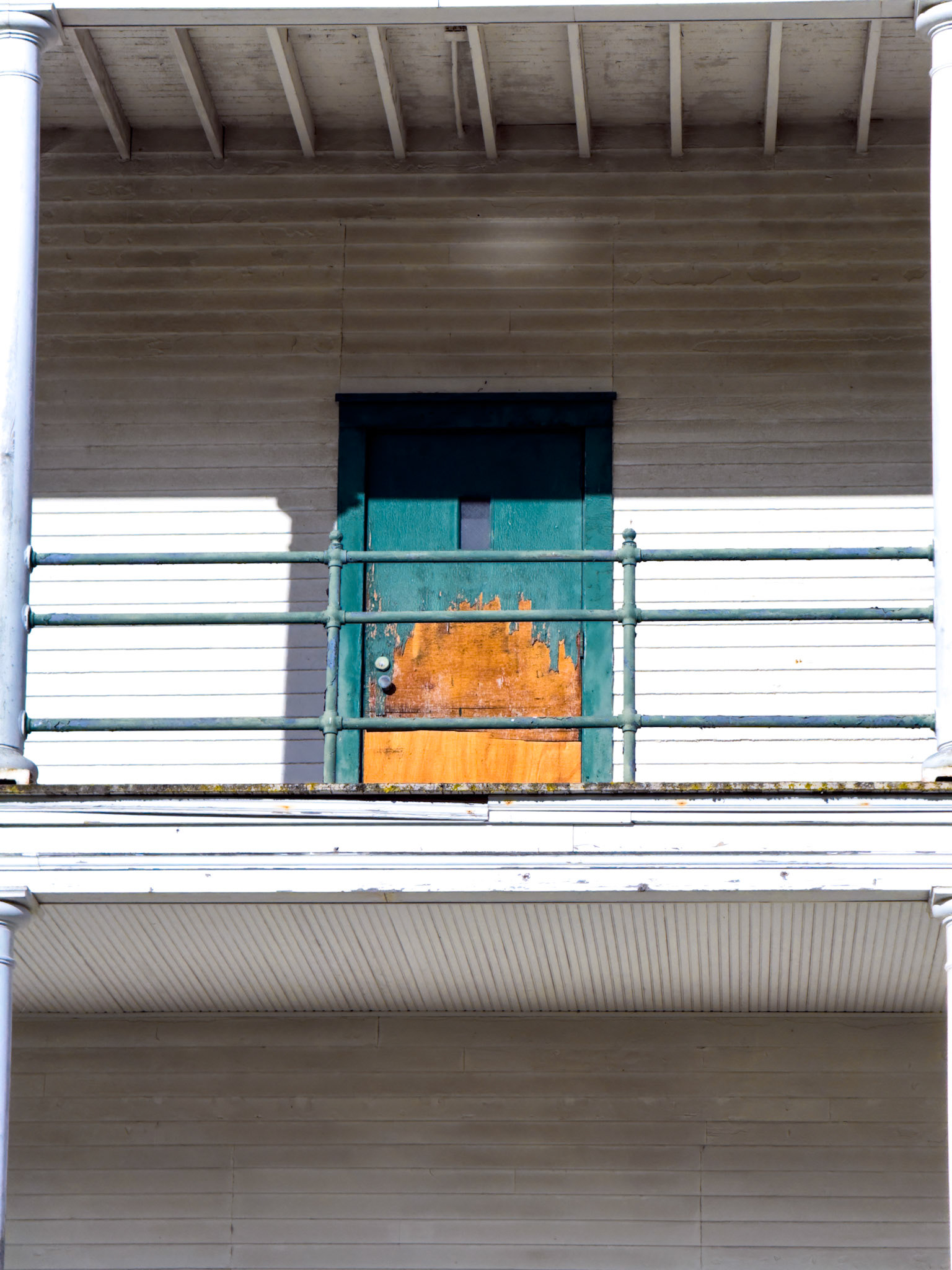
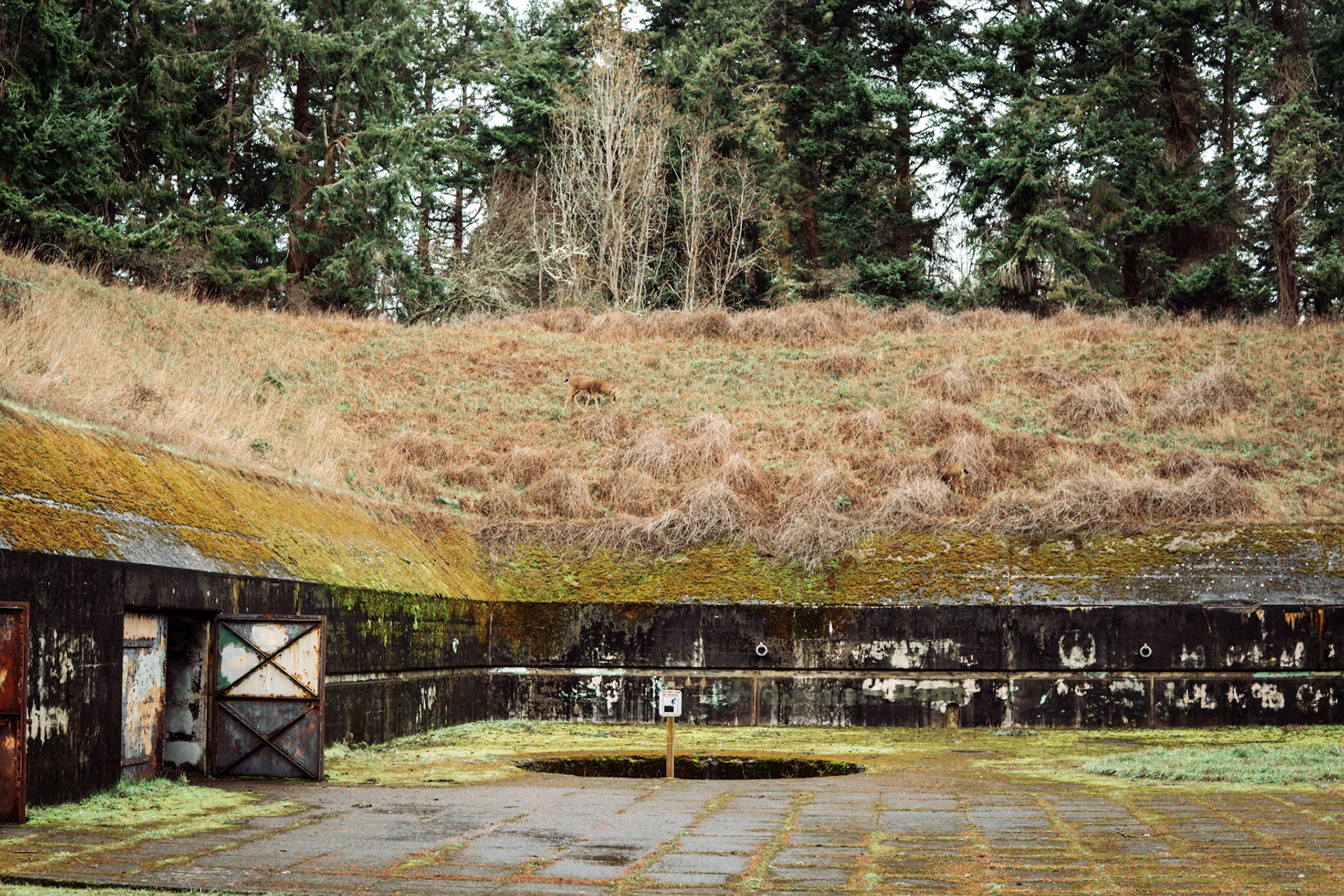
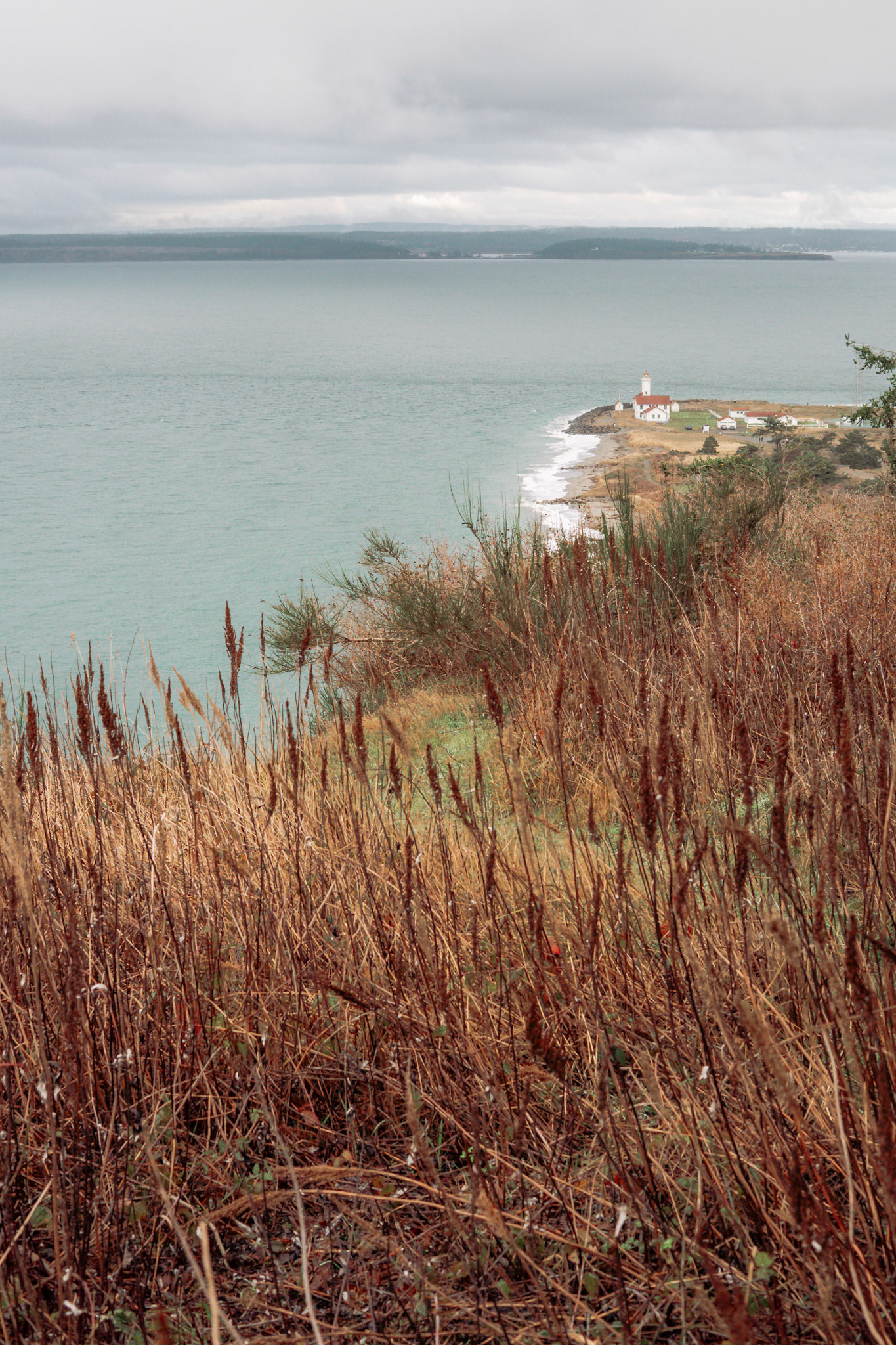
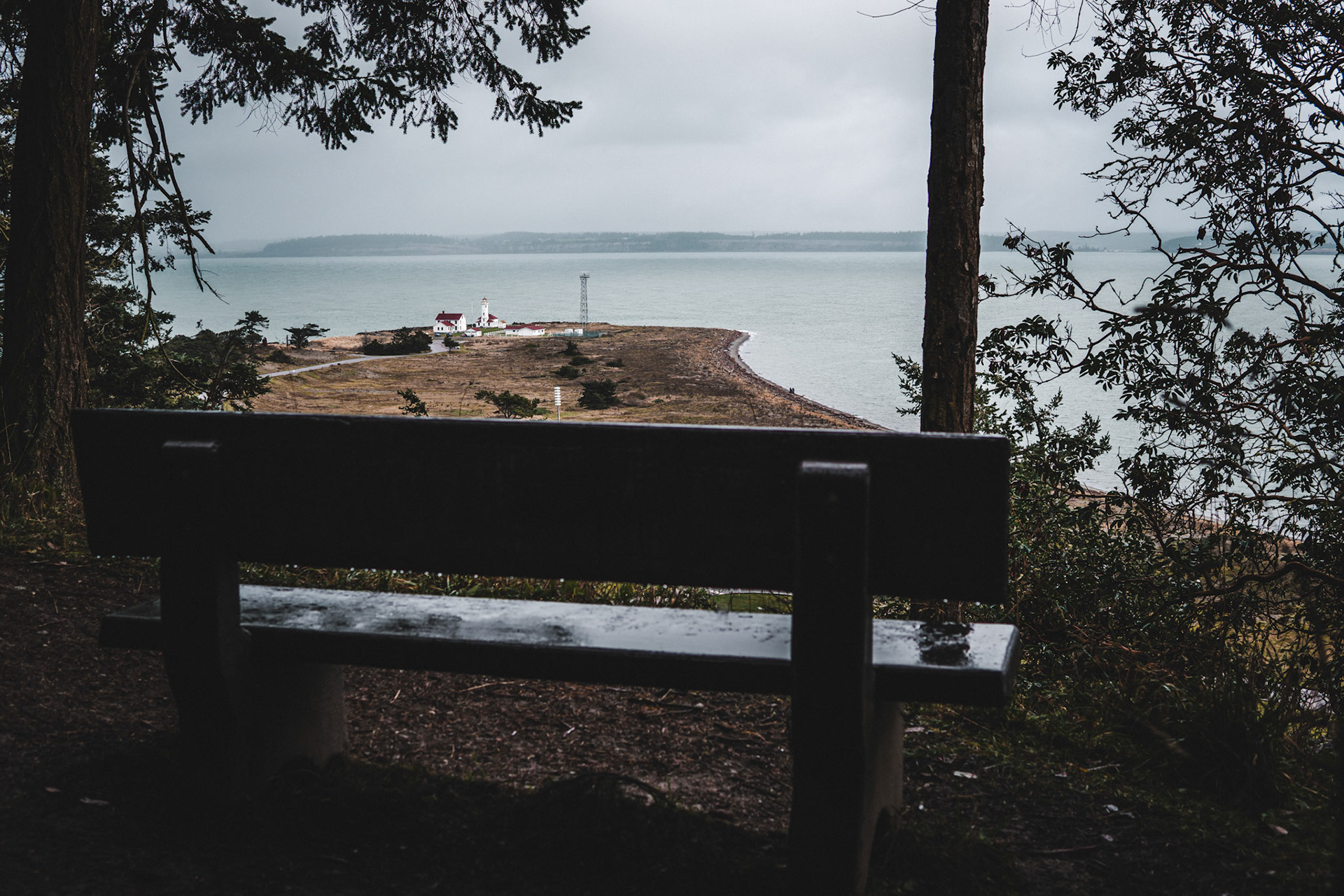
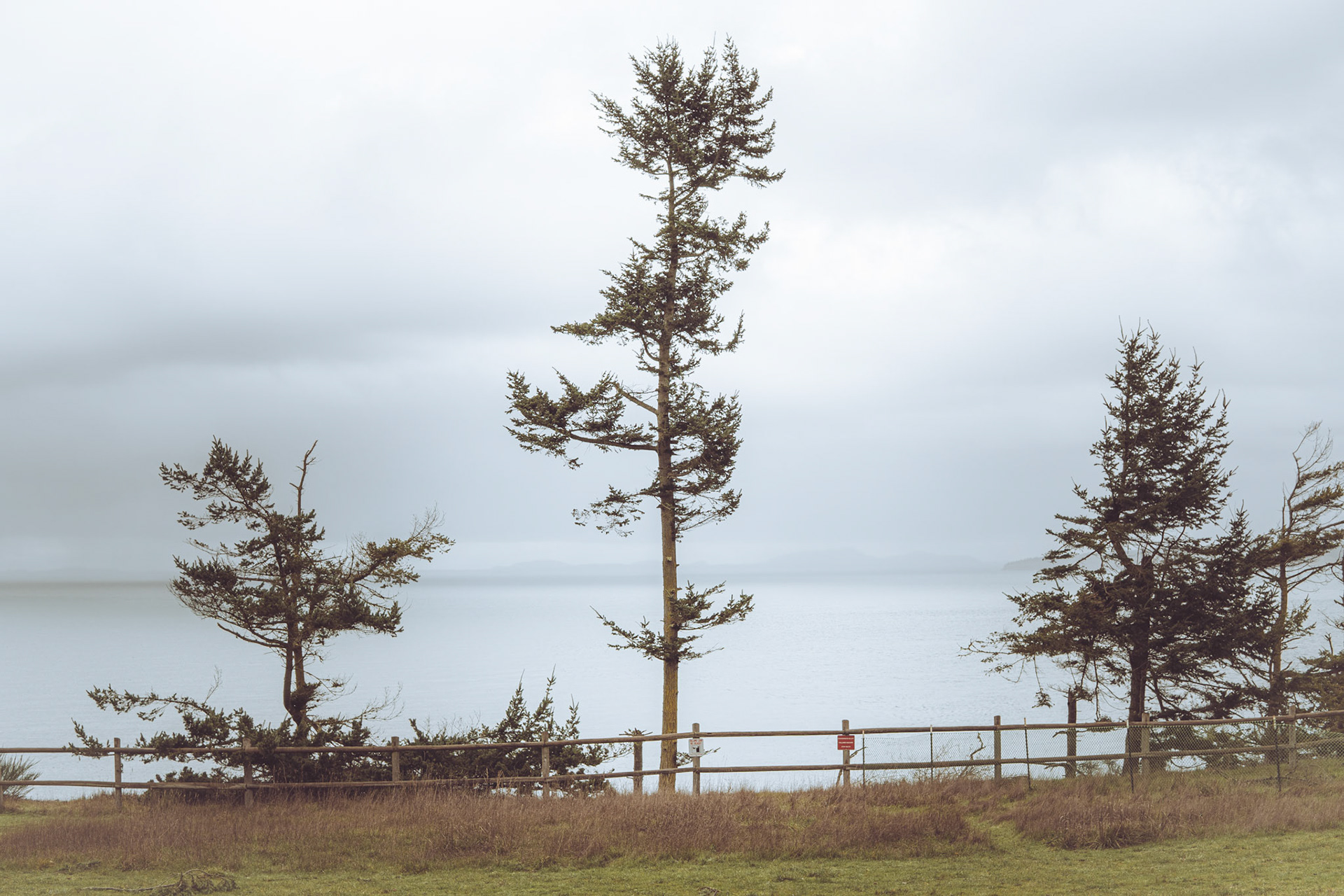
Instead, I drove north to one of my favorite places, Fort Worden State Park, perched above the water in Port Townsend. A place where history lingers in concrete bunkers and weather does whatever it wants. I wandered for a couple of hours, boots damp, shoulders relaxed, letting the park set the pace.
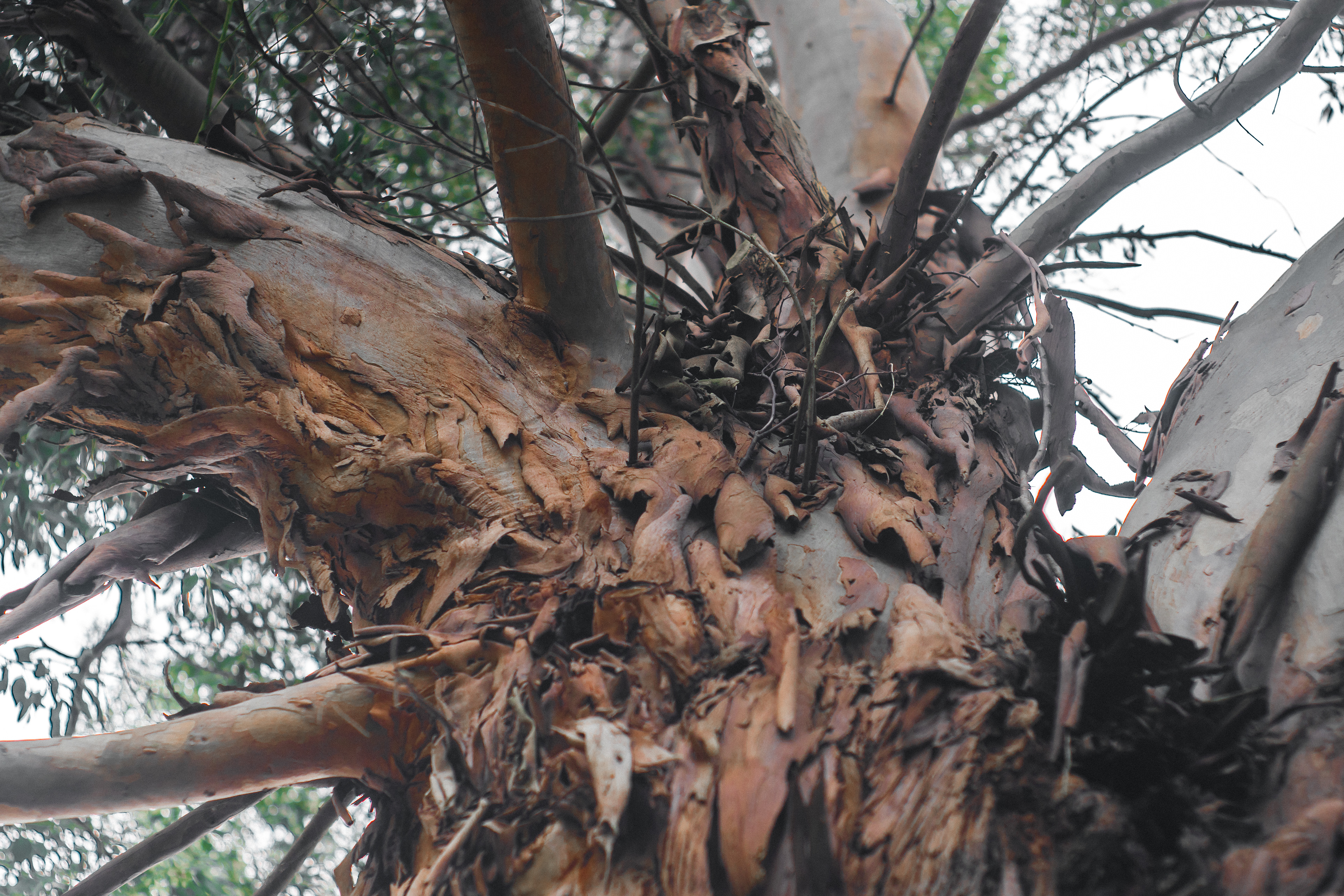
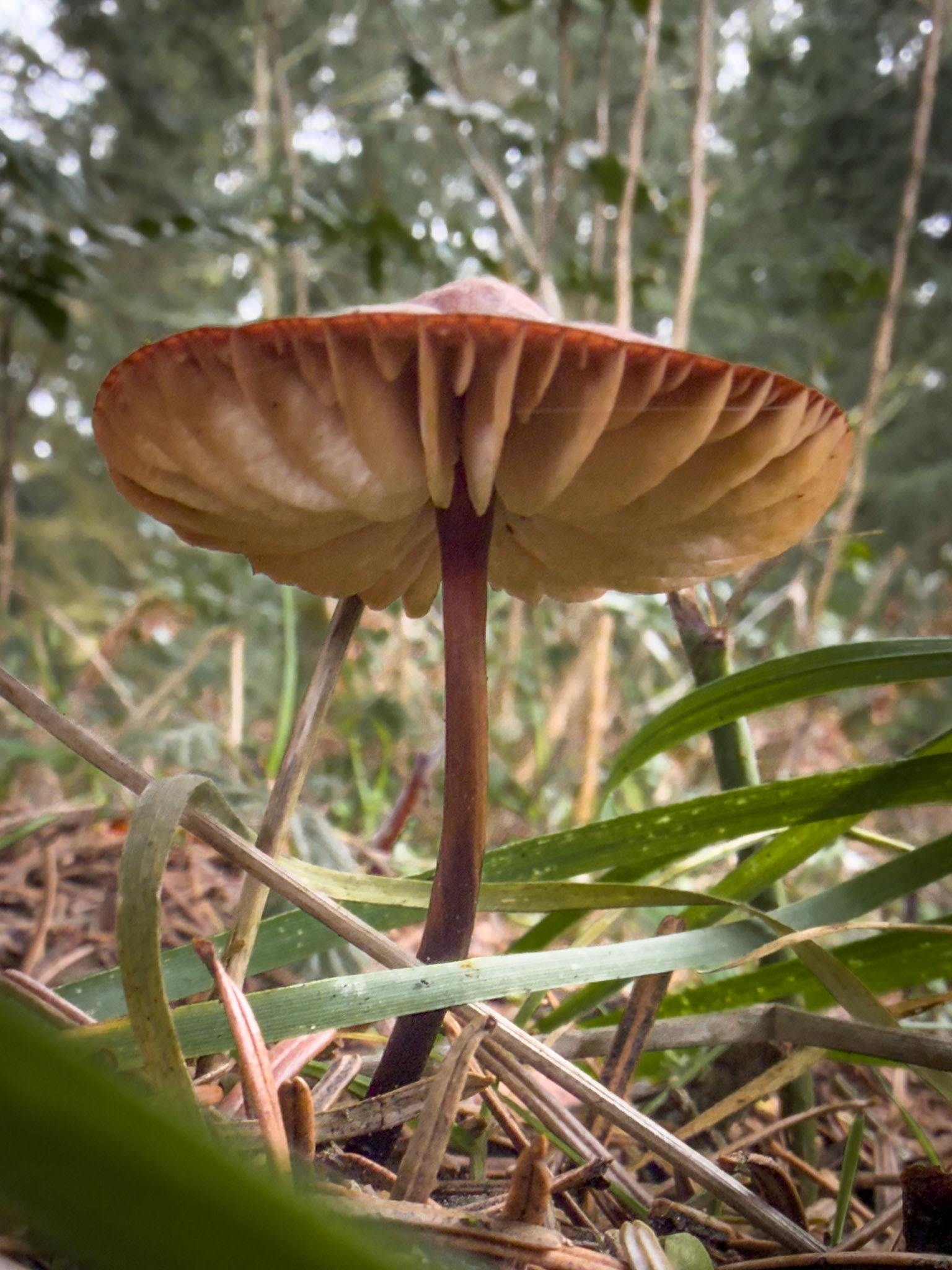
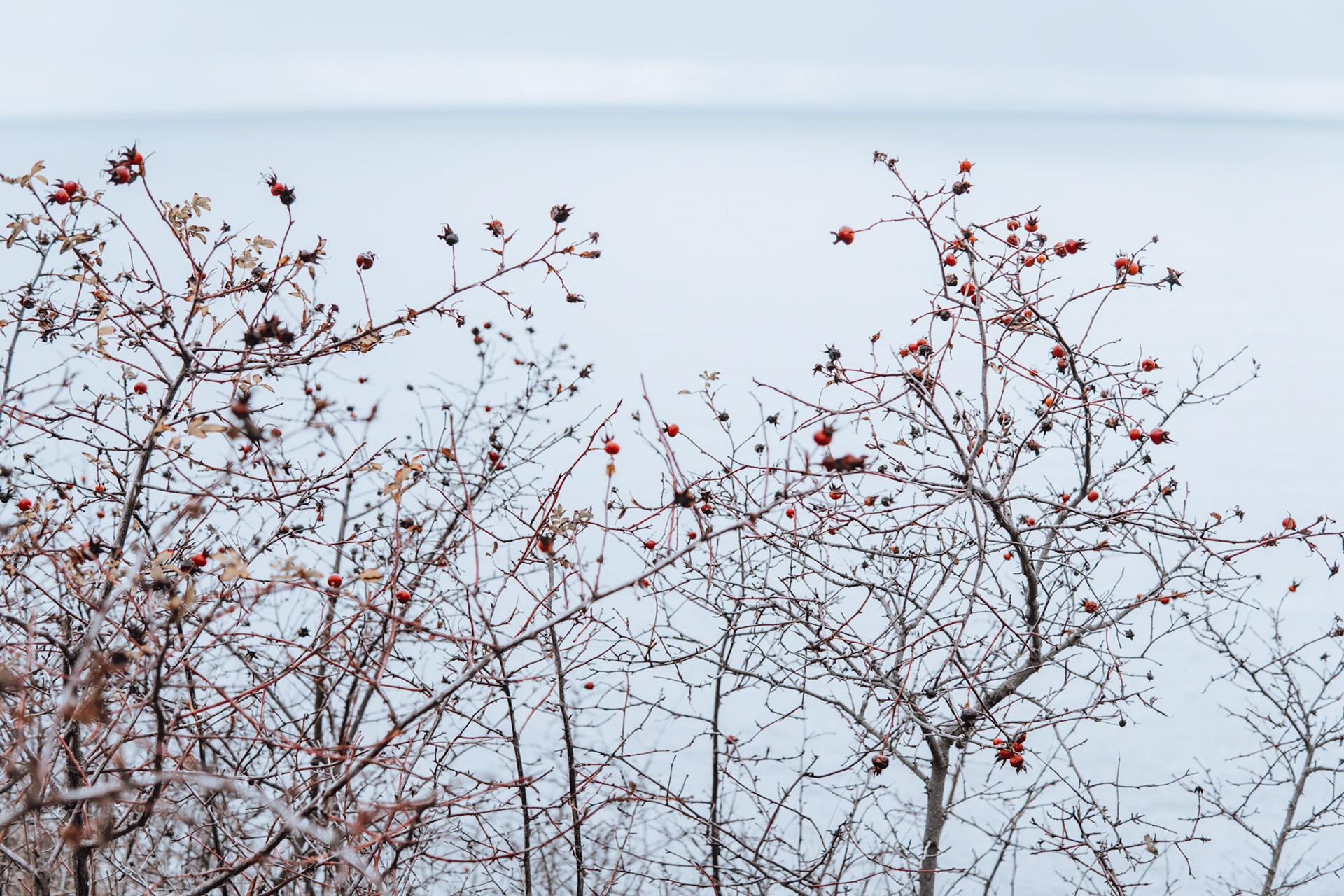
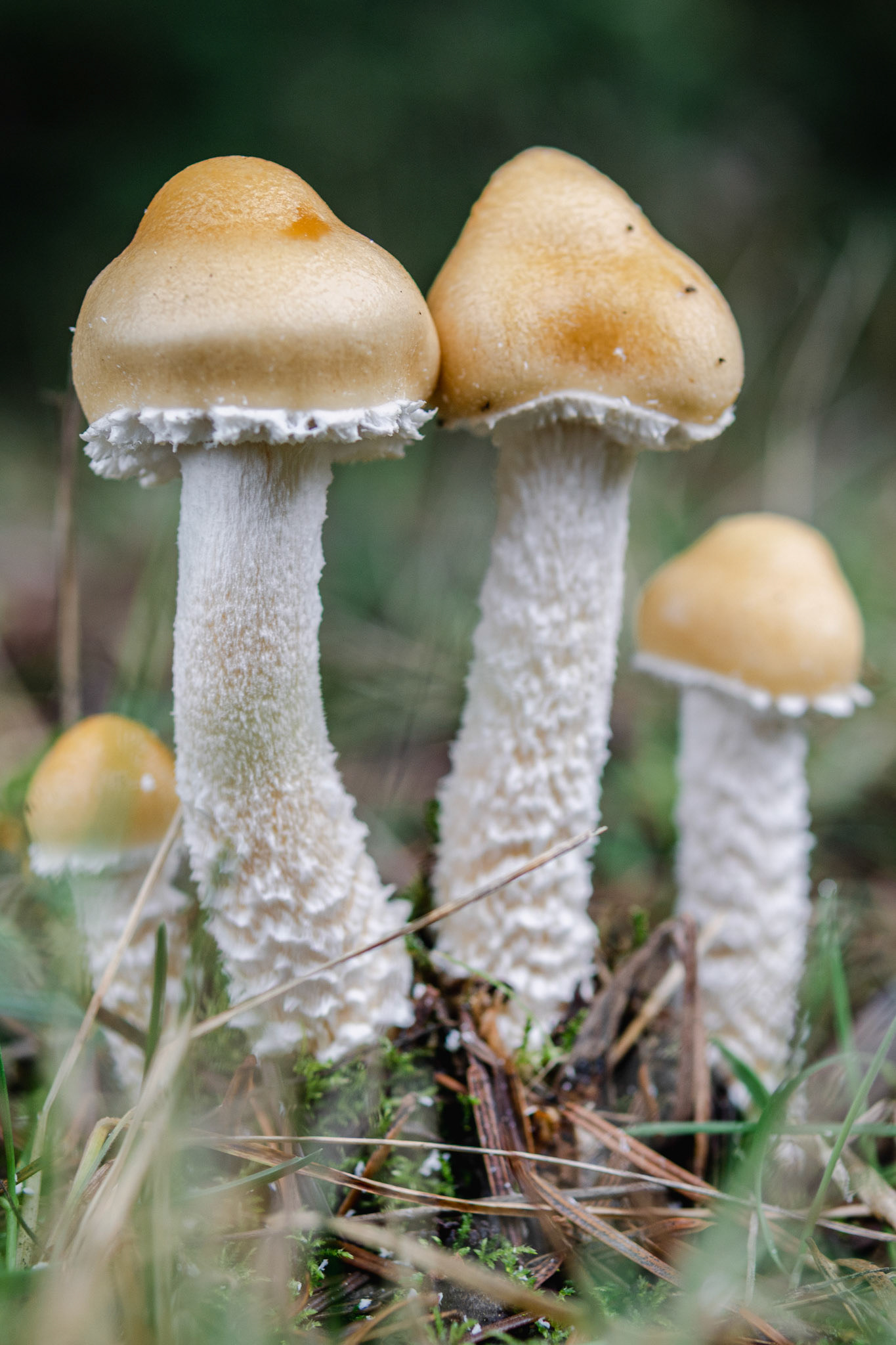
The rewards came quietly, and it then all at seems to come at once. A dozen or so deer moving through the trees as if I wasn’t there. More varieties of mushrooms than I could count, each one a small, improbable sculpture pushing up through wet earth. The sky and sea in conversation, trading drama and light, clouds breaking just enough to suggest that patience pays off. The rain softened, the day opened, and the photographs followed.
None of it would have happened if I’d stayed under that blanket.
There’s a lesson in that, I think. Not a loud one. Just a steady reminder that the days that ask the most of us at the start often give the most back if we show up anyway. Adventure doesn’t always announce itself with sunshine. Sometimes it whispers through rain and doubt, waiting to see if we’ll still come.
So here’s the question I’m carrying home with me today:
How many meaningful moments are quietly waiting on the other side of the days we almost choose not to begin?
How many meaningful moments are quietly waiting on the other side of the days we almost choose not to begin?



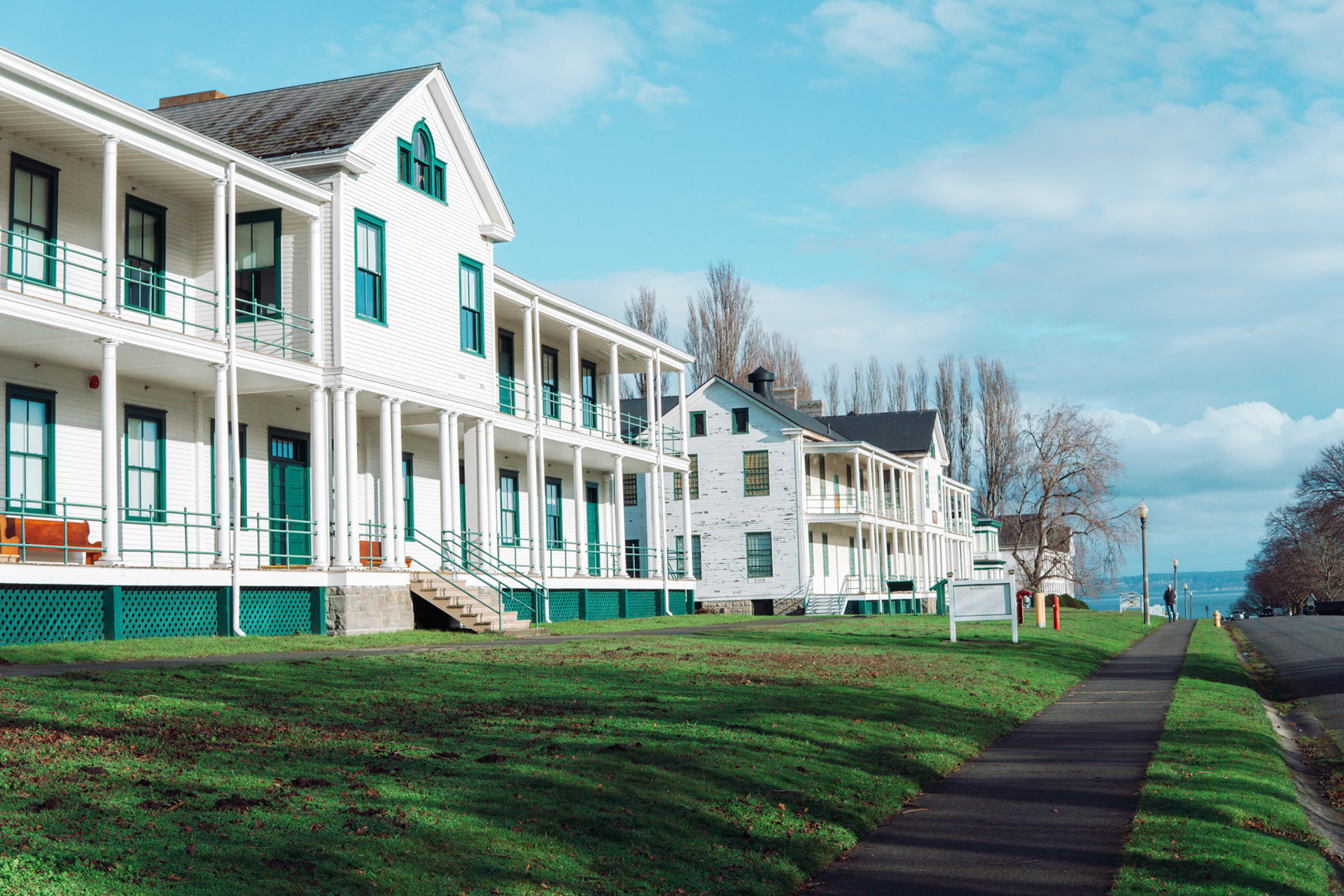
Winter Solstice at Discovery Park
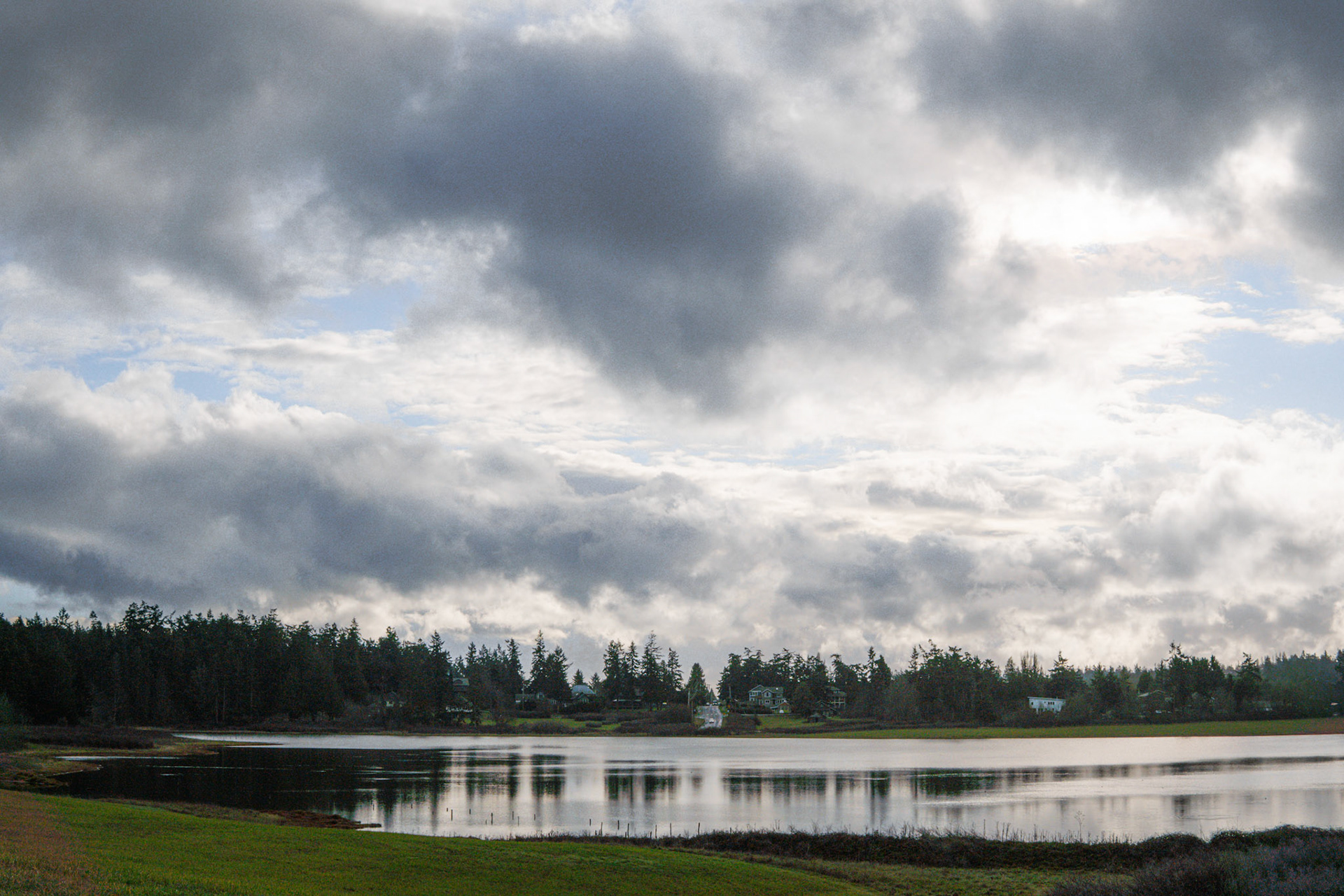
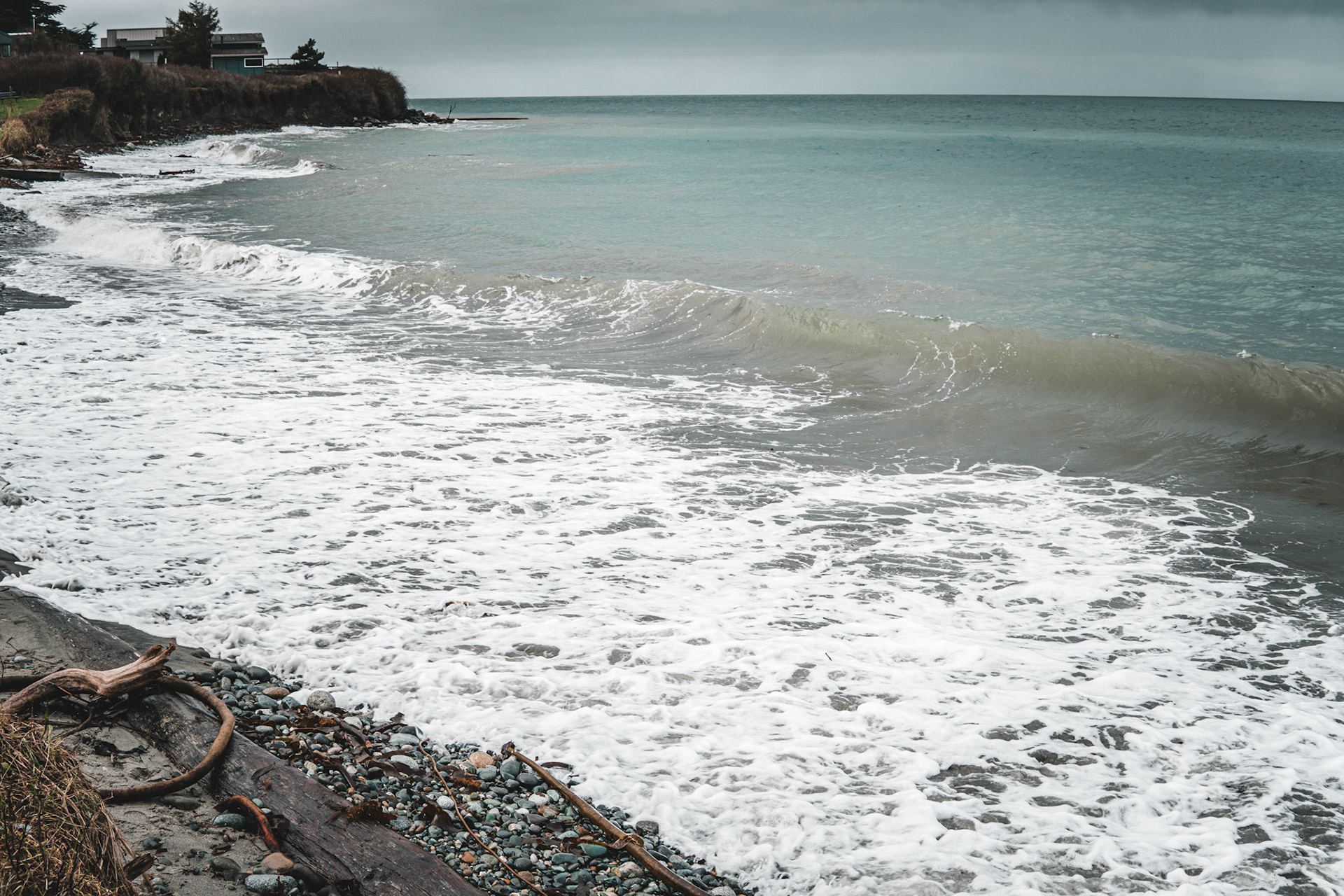
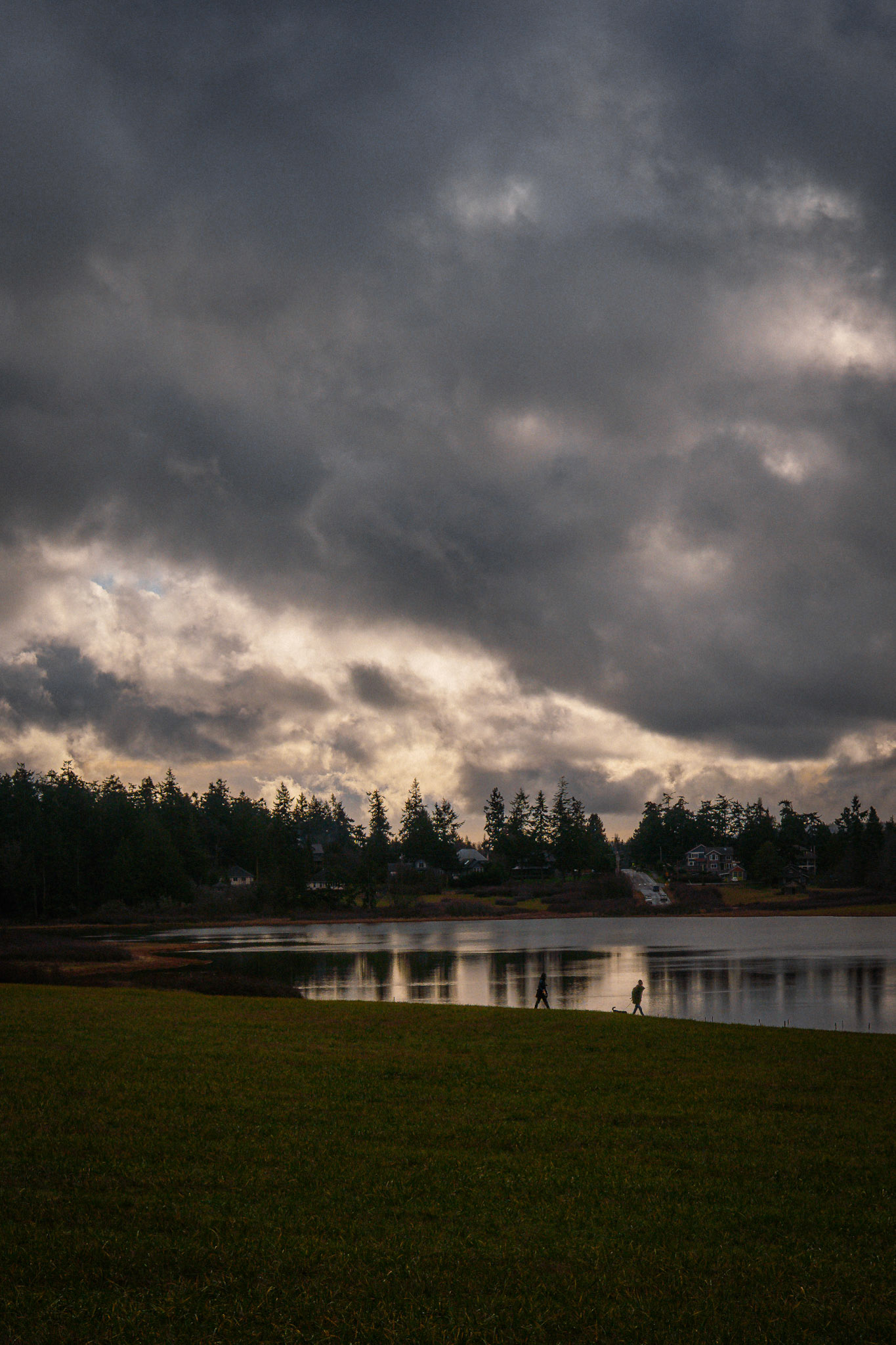
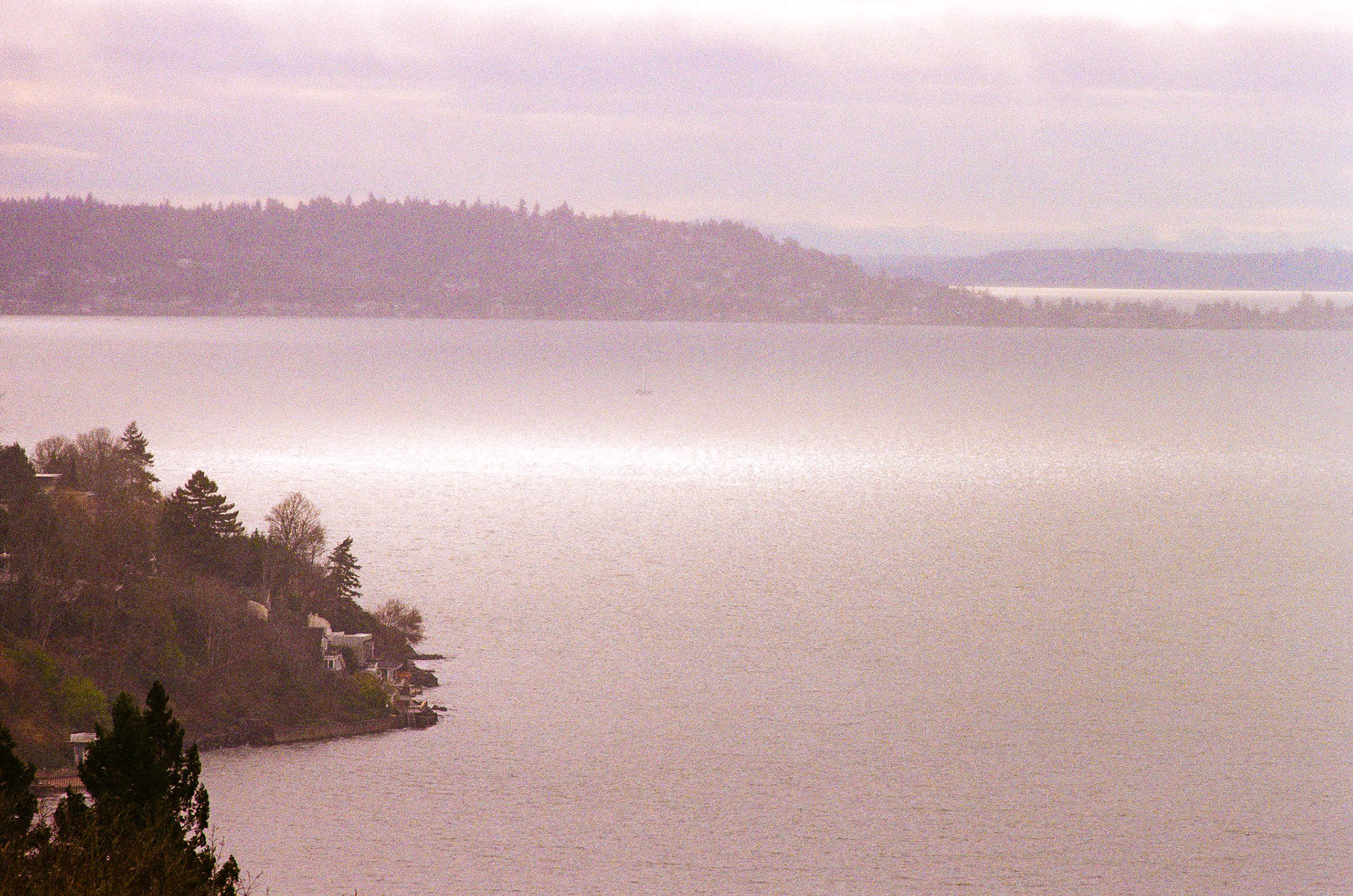
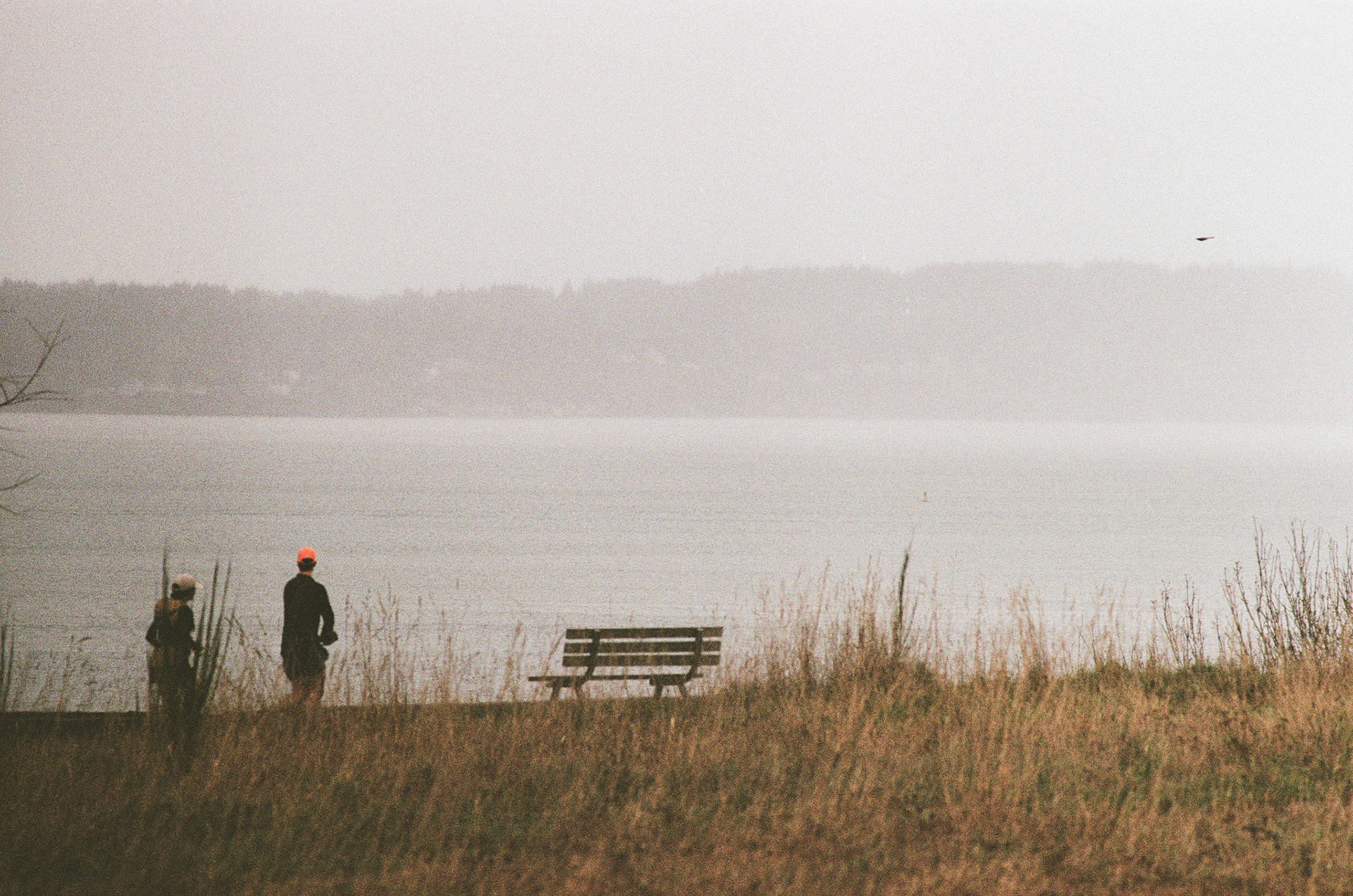
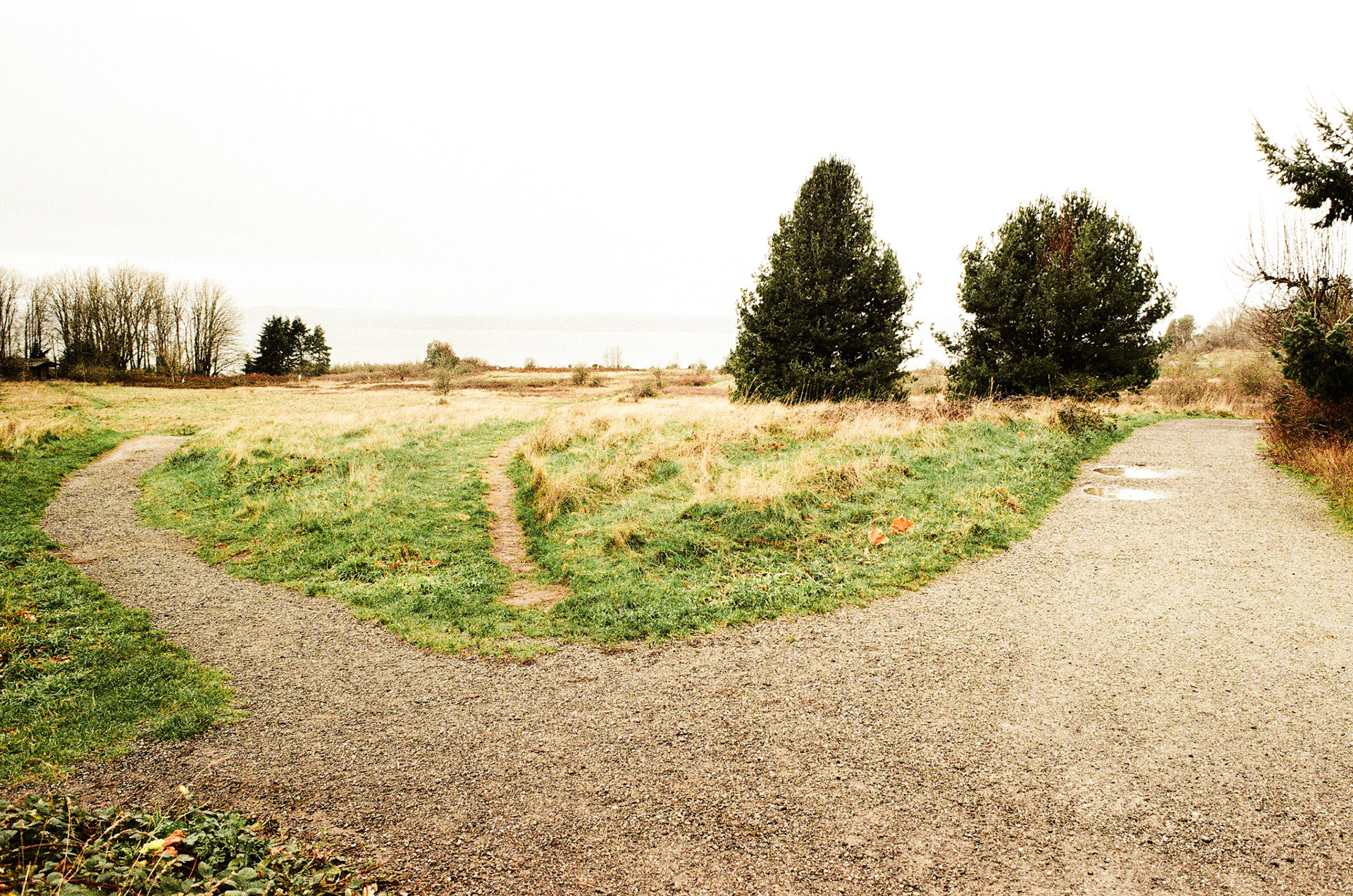
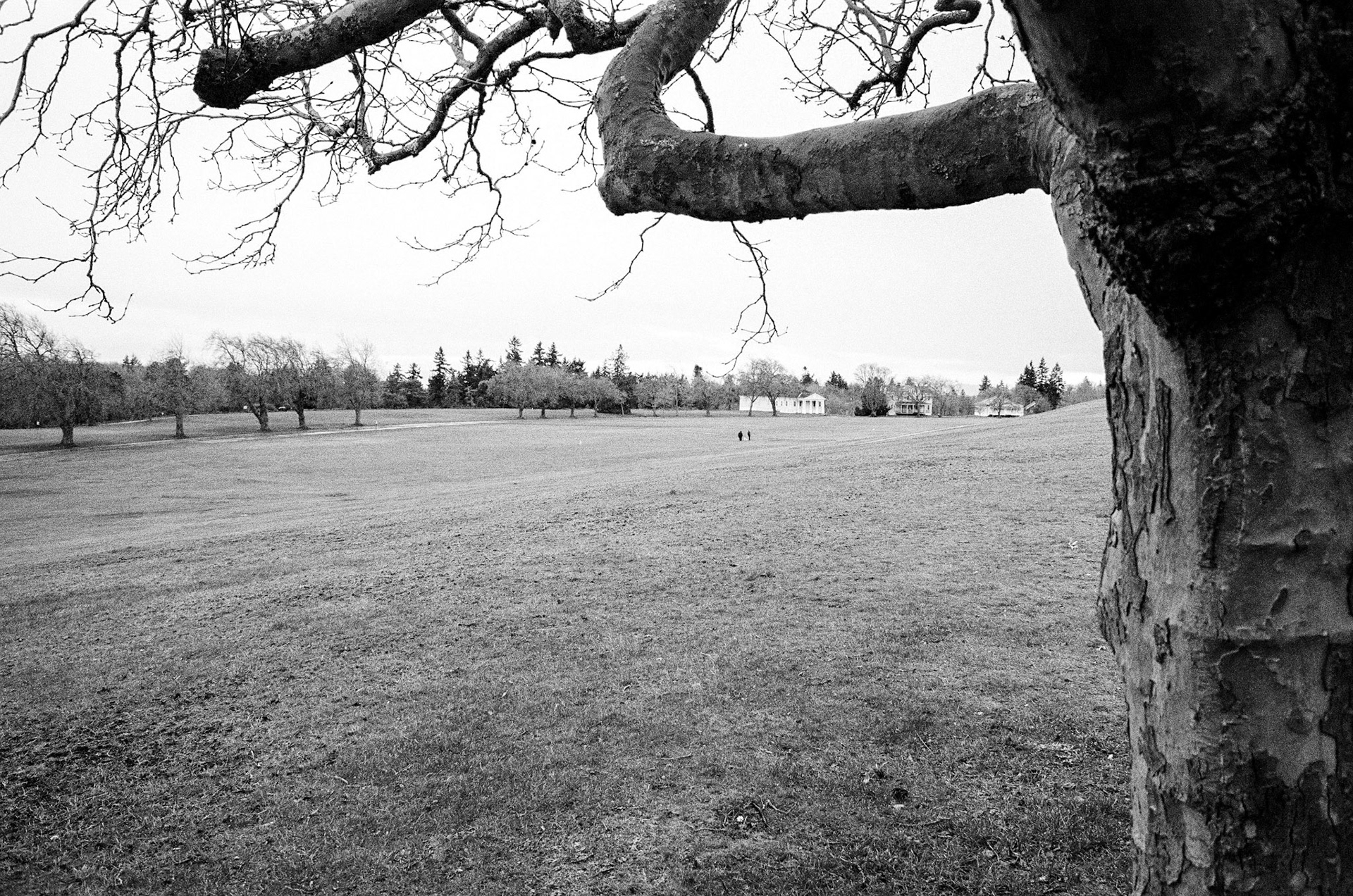
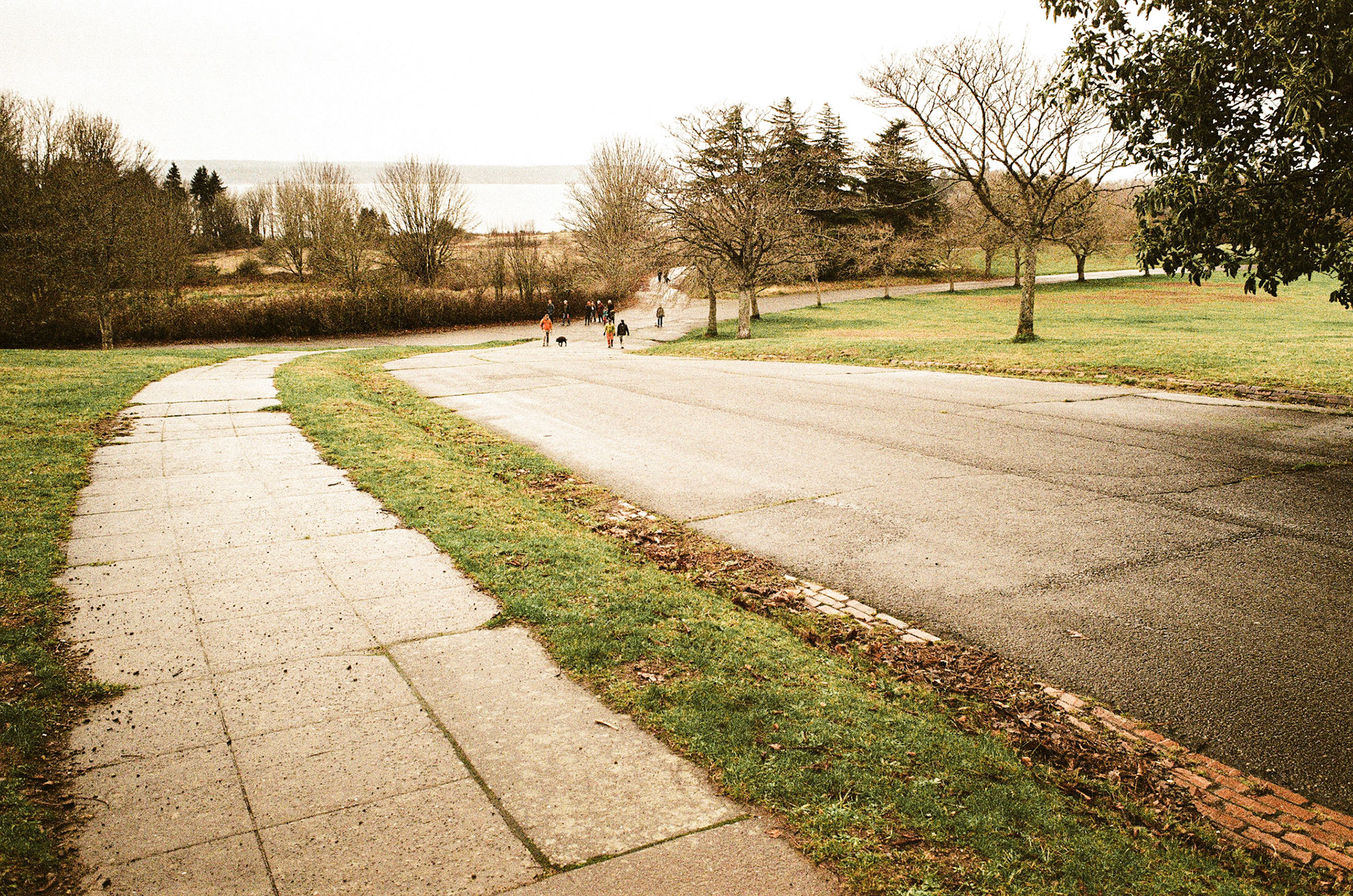
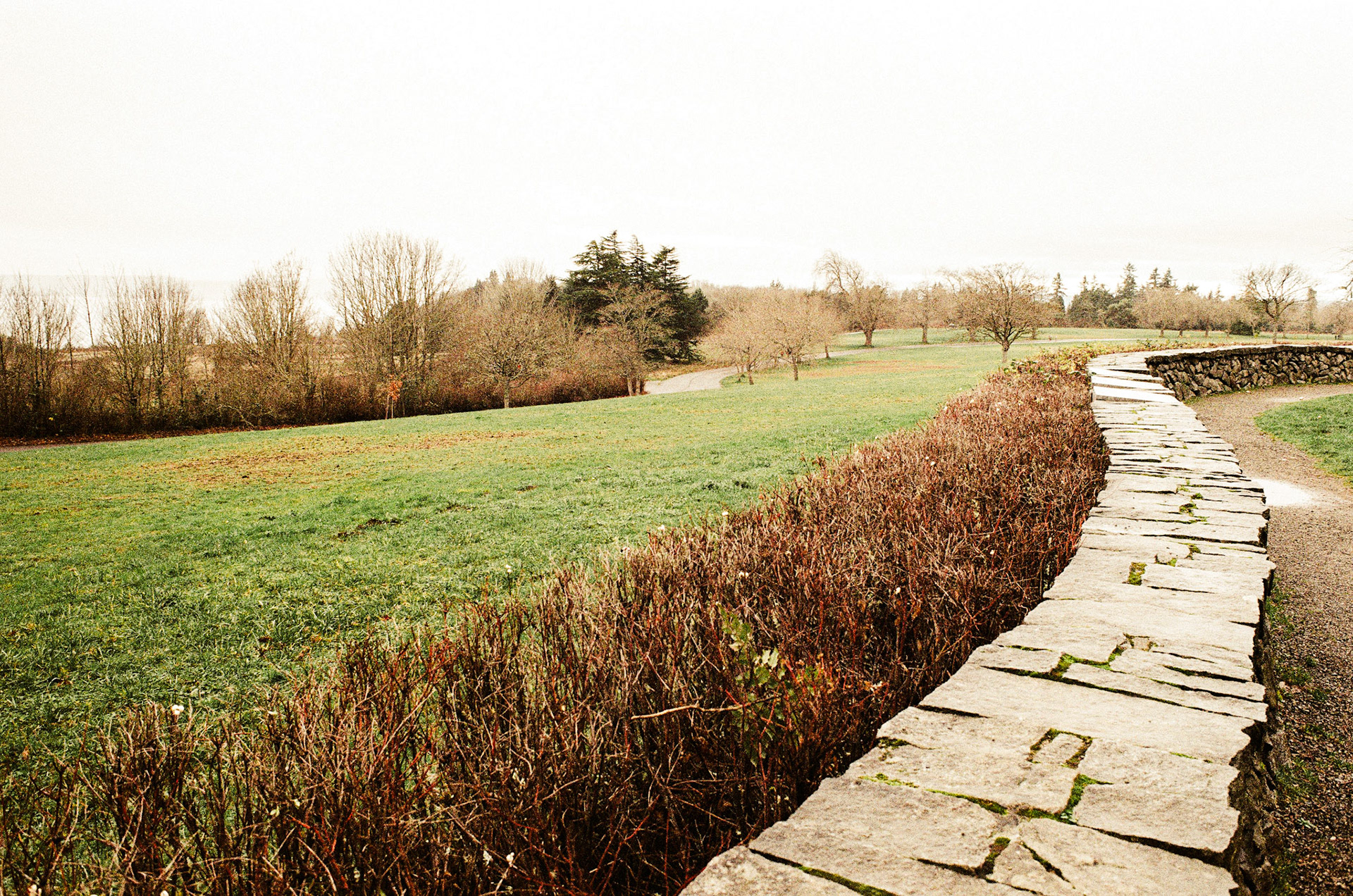
On a Sunday afternoon, December 21st, 2025, the Winter Solstice, I went for a walk at Discovery Park with a film camera and no real agenda beyond seeing what the light might offer. Discovery Park is my favorite park in Seattle. I have been coming here for nearly thirty years. Different seasons of life, different cameras, different versions of myself, but the same trails, the same bluff, the same pull toward the water.
The camera that day was my Minolta SRT 202. Heavy, mechanical, and built like a tank (I actually dropped it in the gravel with the lens cap off as soon as I started shooting! Fortunately just some scratches on the metal and a little bend but no damage to the lens or anything else). It is the kind of camera that demands intention. Somewhere along the walk the exposure meter stopped working, which meant I was back to estimating light with the help of an iPhone app called Lightme. It helps, but it is never exact. Translating digital suggestions into physical dials takes practice, trust, and a willingness to be wrong. I have found that uncertainty to be part of the fun. Guess. Commit. Move on.
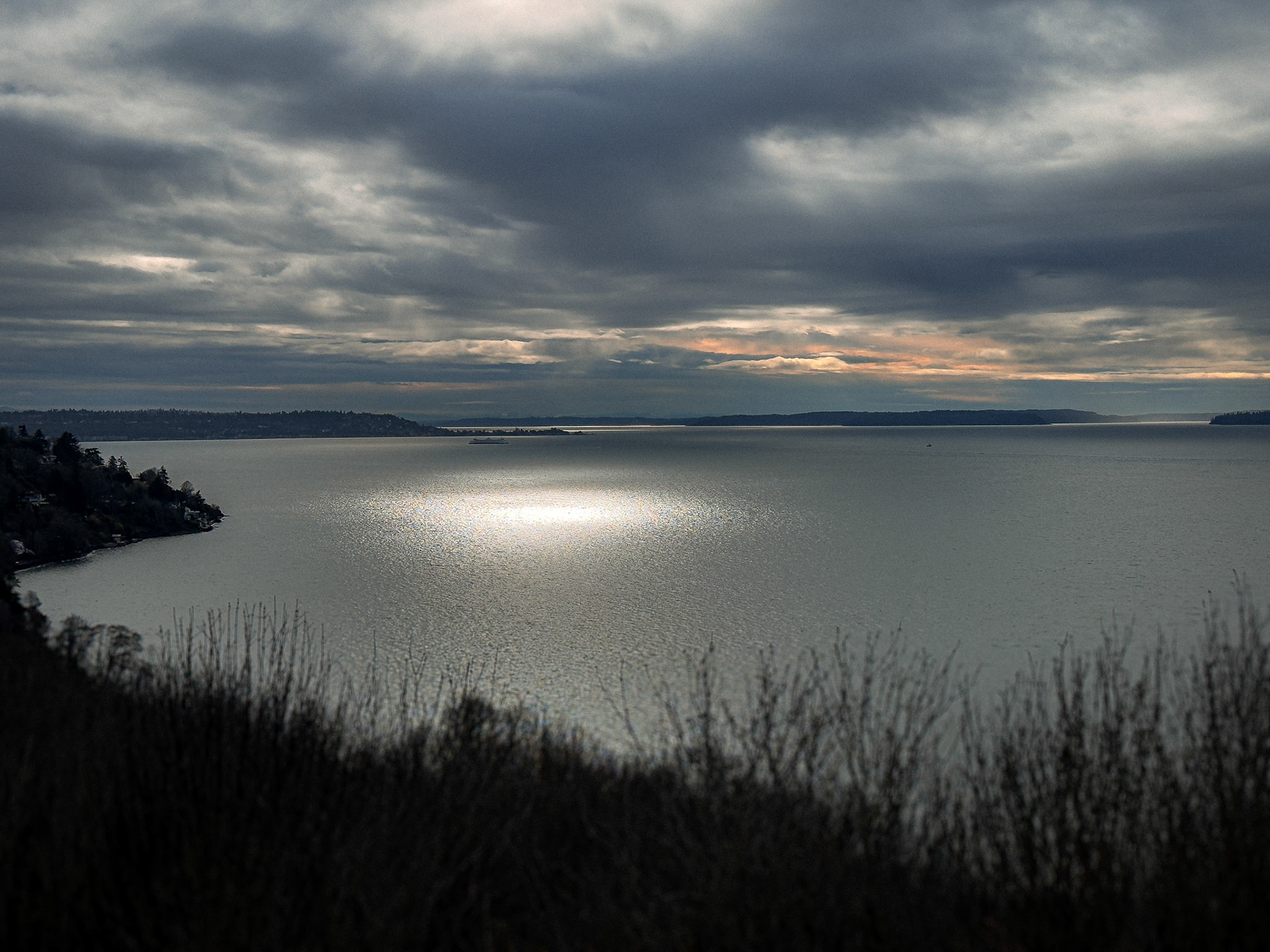
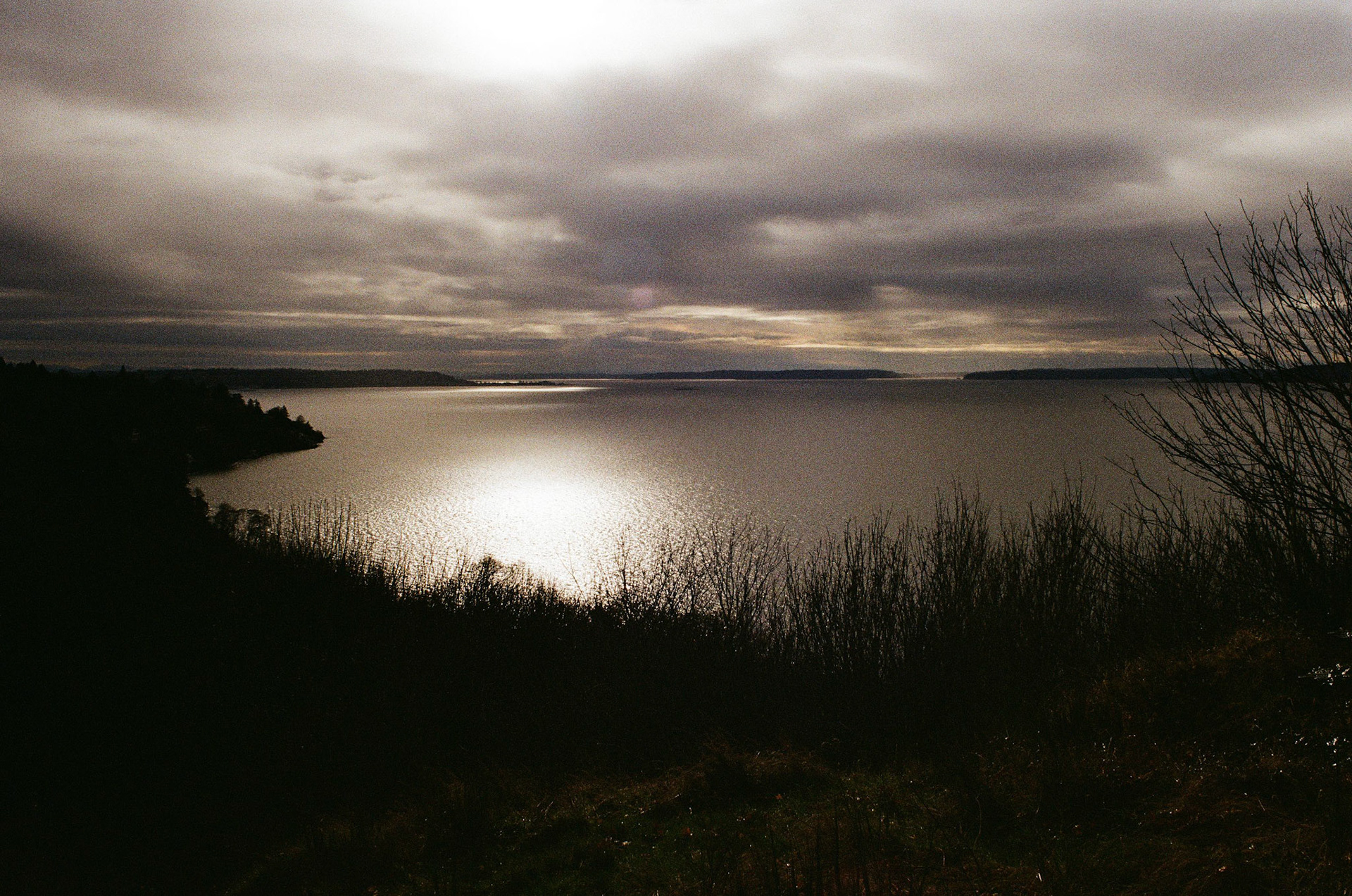
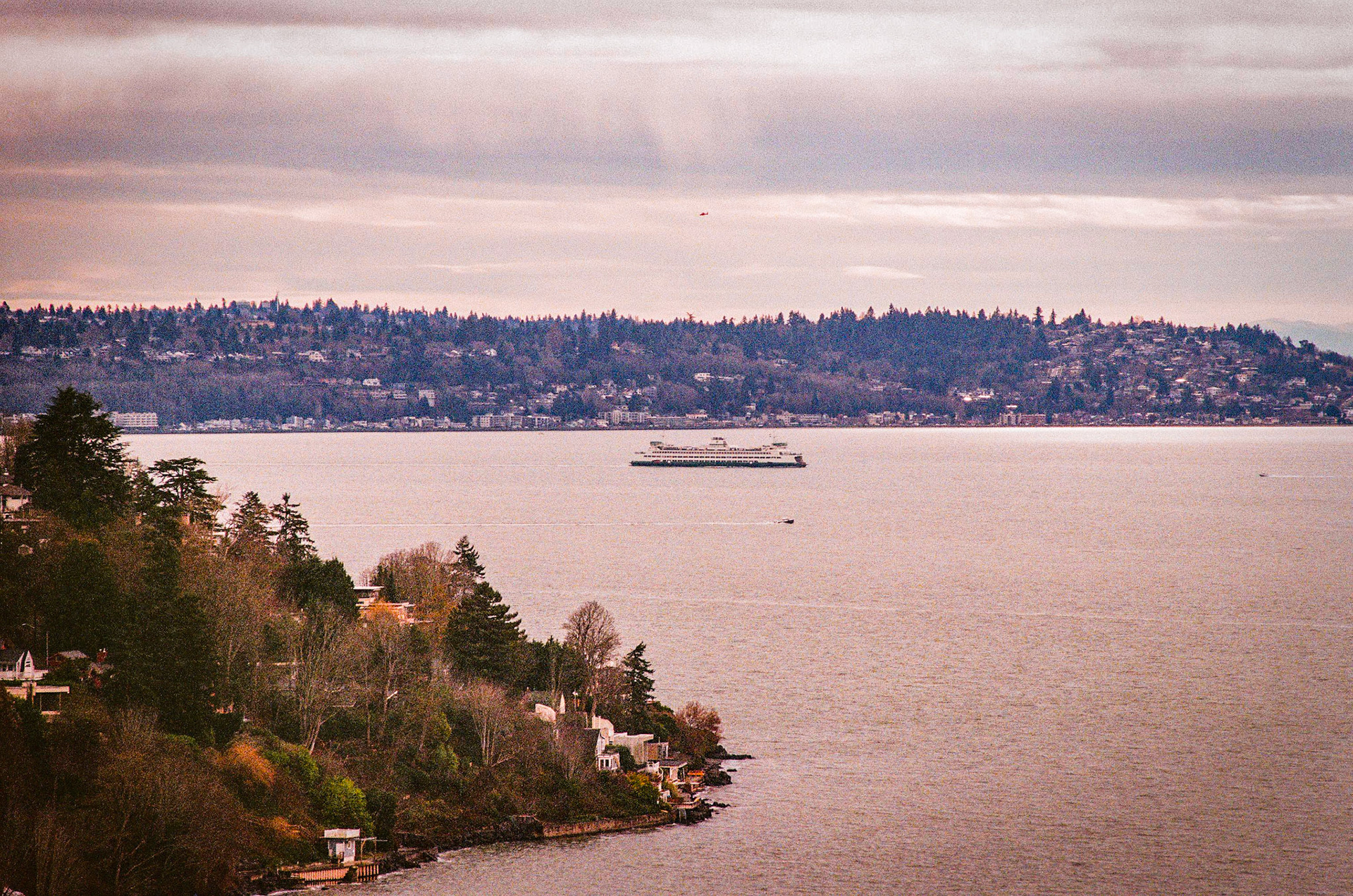
Discovery Park on the Winter Solstice delivered everything I hoped for. Moody light drifted in and out beneath thick clouds. Sunlight broke through just long enough to scatter bright reflections across the water. Ferries and cargo ships slid along the horizon, enormous yet distant enough to look like ants moving through a miniature world. In some places, rain poured down in defined sections, darkening the water in sharp contrast to the lighter areas nearby. The landscape felt alive, constantly shifting, never settling.
Shooting film in those conditions is both rewarding and humbling. Light changes quickly. Contrast pushes limits. There is no instant feedback, no reassurance, no quick correction. You simply keep walking, framing, releasing the shutter, and trusting that something will make it through.
Then comes the waiting. Sending off a roll of film is its own quiet ritual. Days pass. Expectations rise and soften. When the scans came back, the results were not as strong as I had hoped. Many frames missed the mark. Some moments lived better in memory than on film. But that is part of the process. Film does not promise perfection. It asks for patience, but also the imperfection is also part of the deal, which I appreciate.
Despite that, or maybe because of it, I am already looking forward to getting out and shooting more film in the new year. Slower walks. Fewer frames. More trust in the process. More room for surprise.
And yes, one of the images from this walk was taken with my iPhone instead of the Minolta.
Can you guess which one it is?
Can you guess which one it is?
Happy New Year!



That Afternoon on the Green River, December 13, 2025
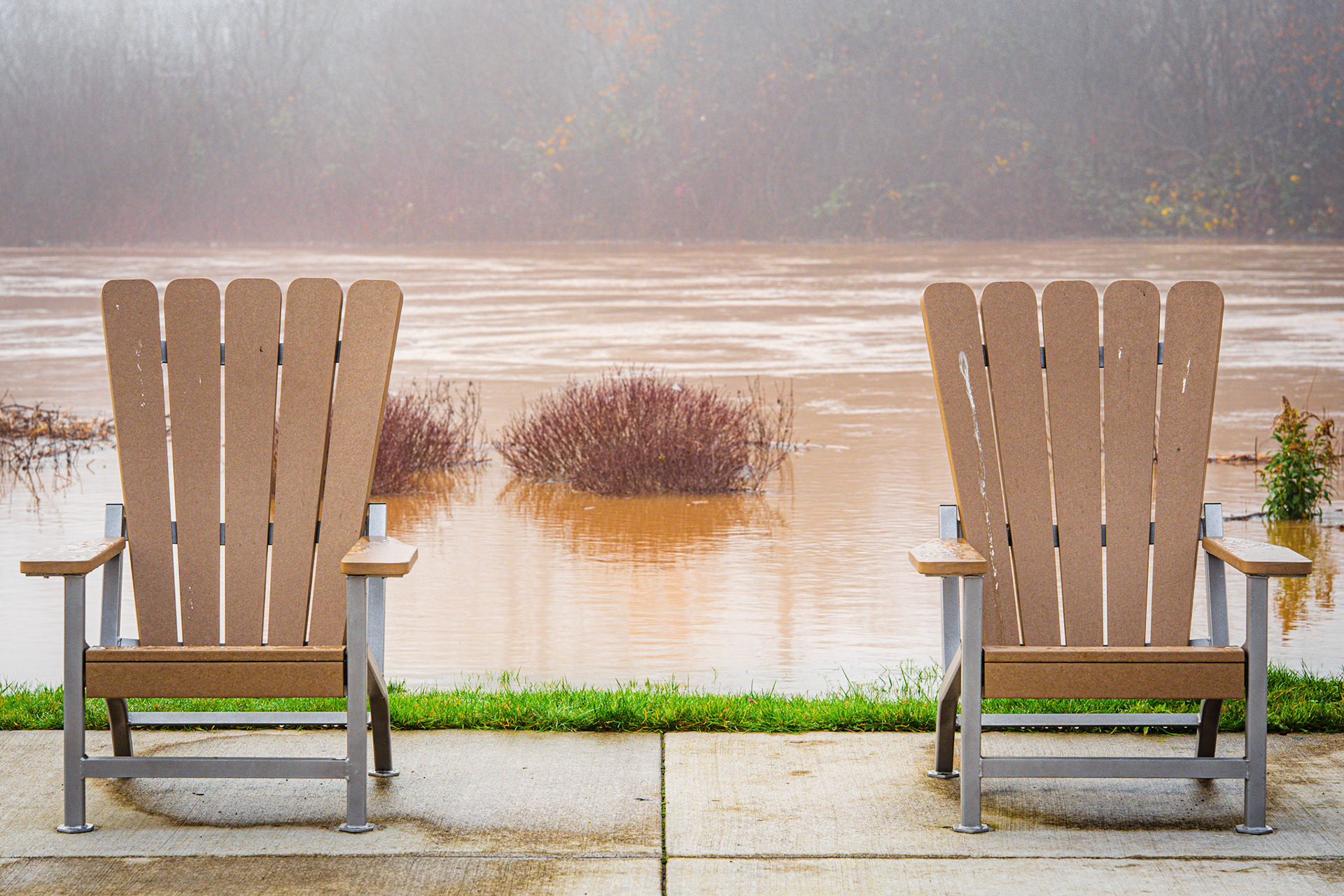
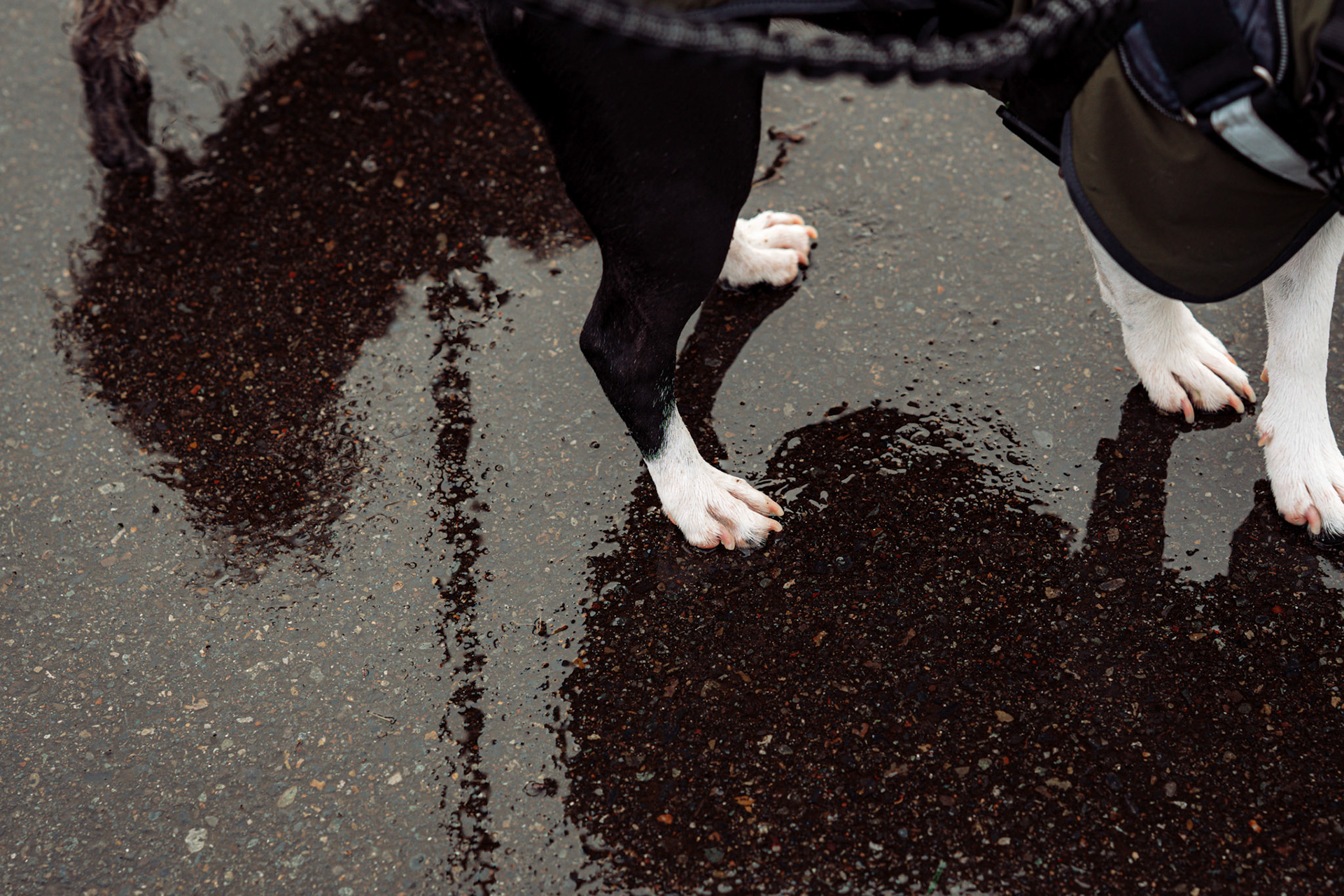
This afternoon, Riley, Walter and I; camera in one hand, curiosity in the other wandered toward the Green River, driven by a simple need: fresh air, stretching legs, the whistle of wind through winter-graying trees. What I expected was a gentle stroll, paws squishing sludge on the path, the usual hum of suburban waterway life.
What we found was something else entirely.
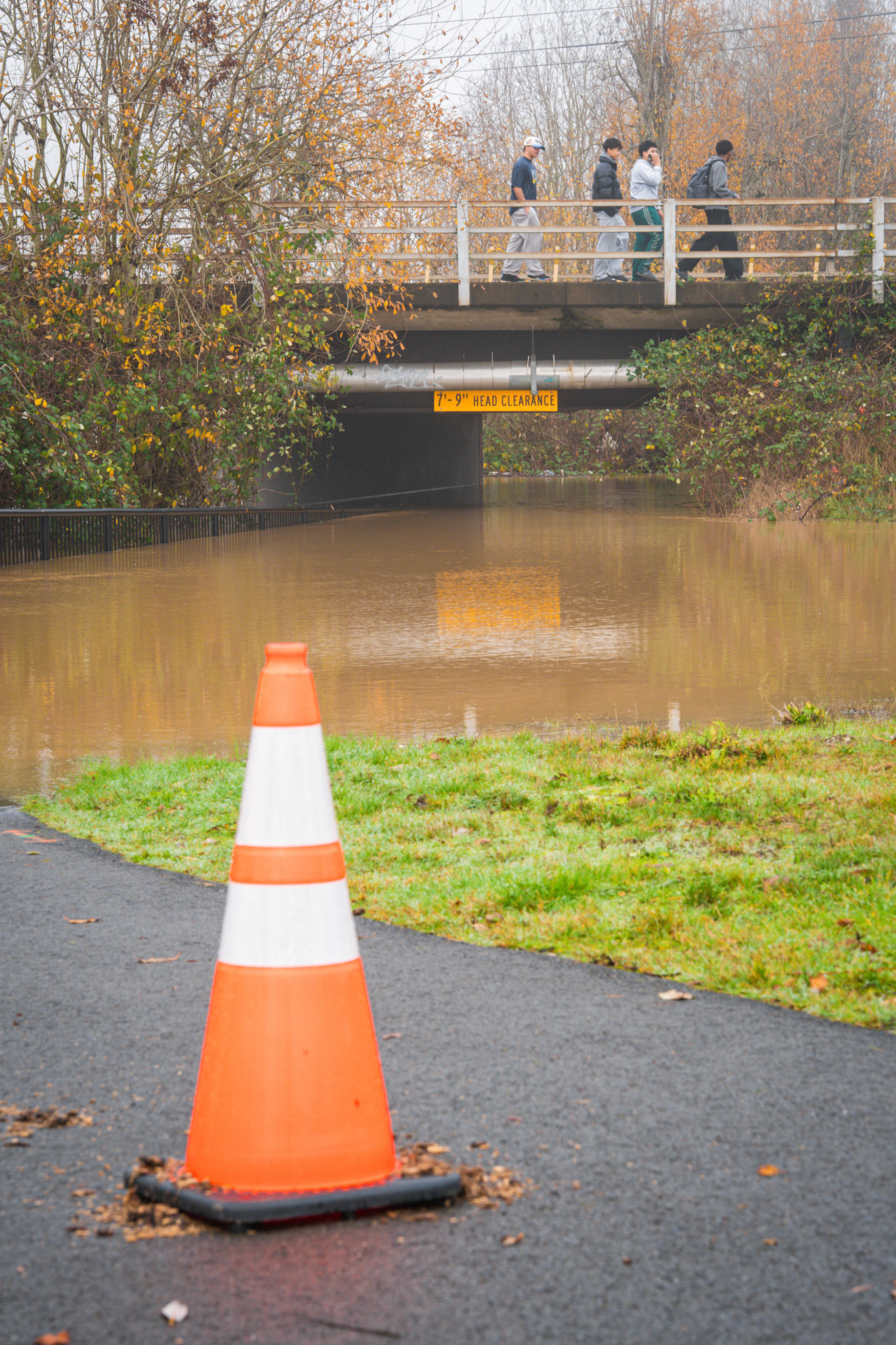
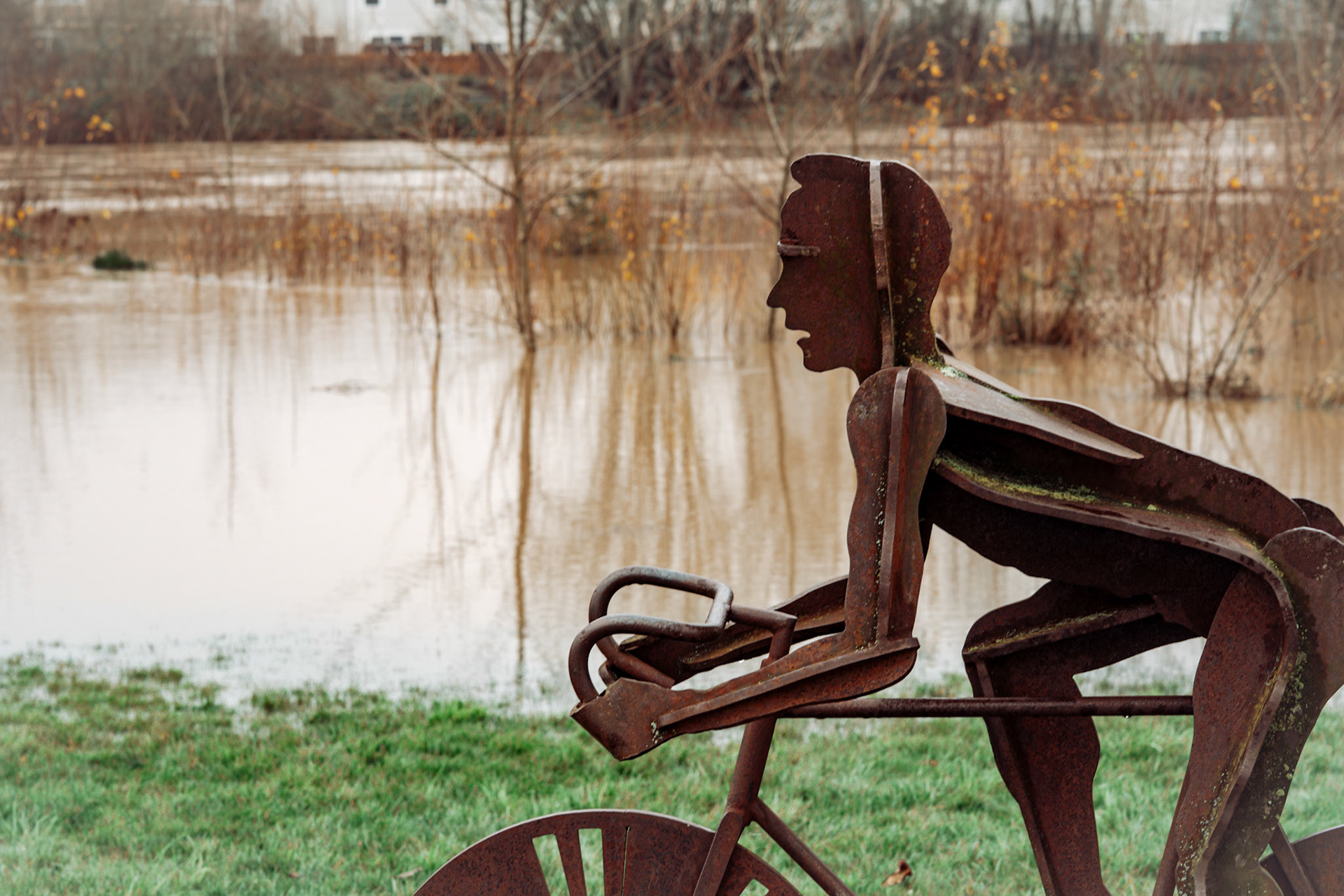
Where the trail hugs the riverbank, water wasn’t confined to its bed anymore. It had marched over pathways, claimed stones and roots alike, lapping at edges that, until this week, I’d never seen breached. The river, swollen and arrogant, pulsed with a quiet fury; more wide than deep, more unstoppable than polite. It felt vast, hungry somehow, like a story just beginning its sentence.
In every direction beyond our feet, Western Washington is living through one of those rare, raw moments that etch themselves into collective memory. An unusually powerful atmospheric river dropped well over a foot of rain across the region over the past week, sending rivers — the Skagit, Snohomish, Cedar, White, and yes, even the Green; into historic flood stages. Tens of thousands have been evacuated from low-lying communities, and dramatic rescues: from boats, helicopters, even rooftops; have played out against a backdrop of brown, rushing water and weary emergency crews. (ABC News)
In Kent and Auburn, neighbors stacked sandbags in a mad scramble to protect homes as the Green River overtopped its banks near the West Valley Highway, water creeping up where it hadn’t in decades. (KOMO) Up north, rivers set records — the Skagit cresting above its historical high in Mount Vernon, communities once again reminded that water remembers its own power better than we remember its limits. (KUOW)
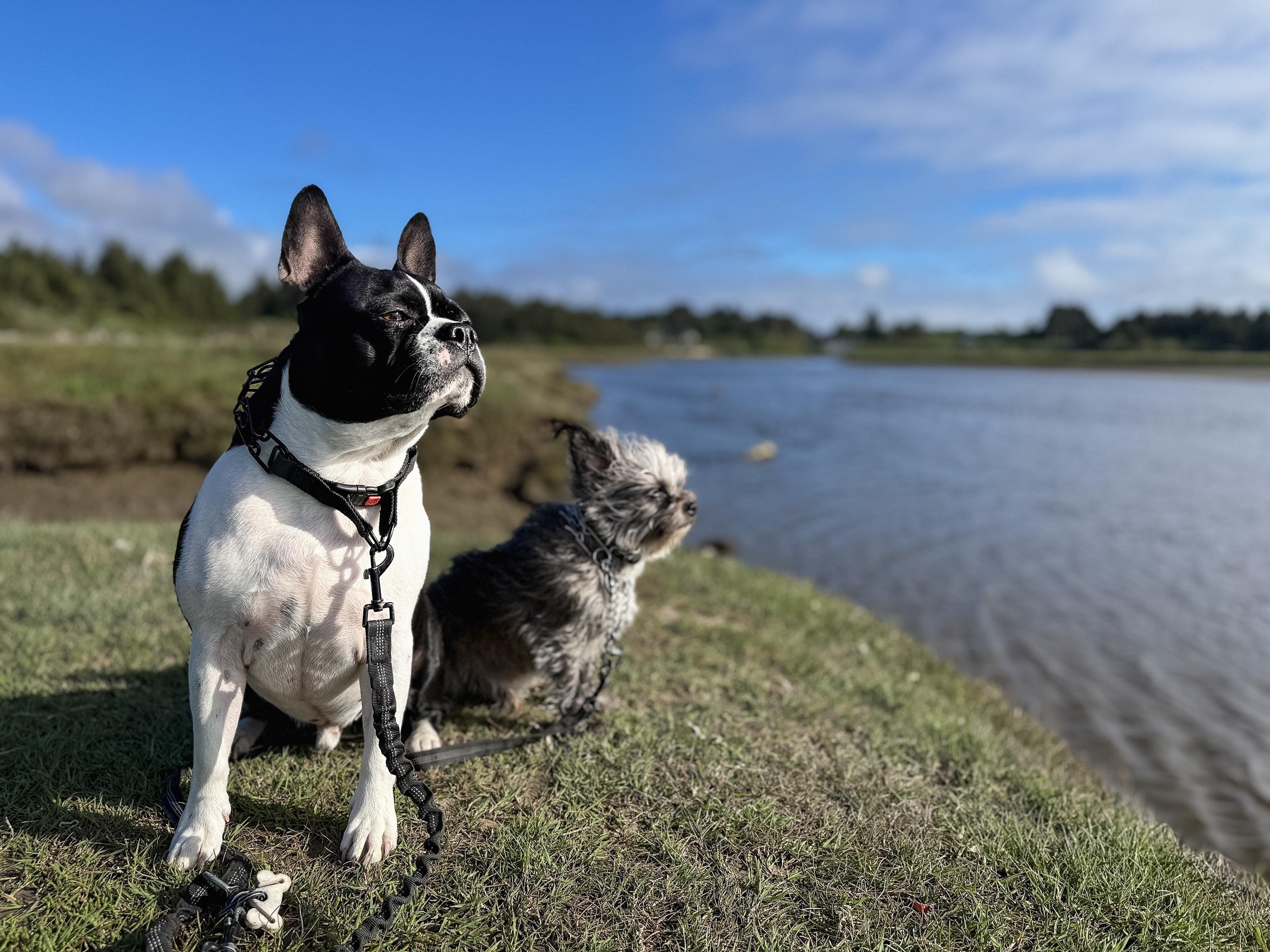
There’s a strange poetry to walking dogs alongside all this — the contrast between the boys' excited sniffing at every puddle (their own personal tributaries) and the solemn, almost reverent roar of the river. It’s both humbling and invigorating to watch nature rewrite familiar corridors, to see how quickly everything changes when the slow drip of rain becomes a torrential chorus.
I wonder how many are asking this question: When the rivers rise, what are we ready to let go of; and what are we willing to rebuild?






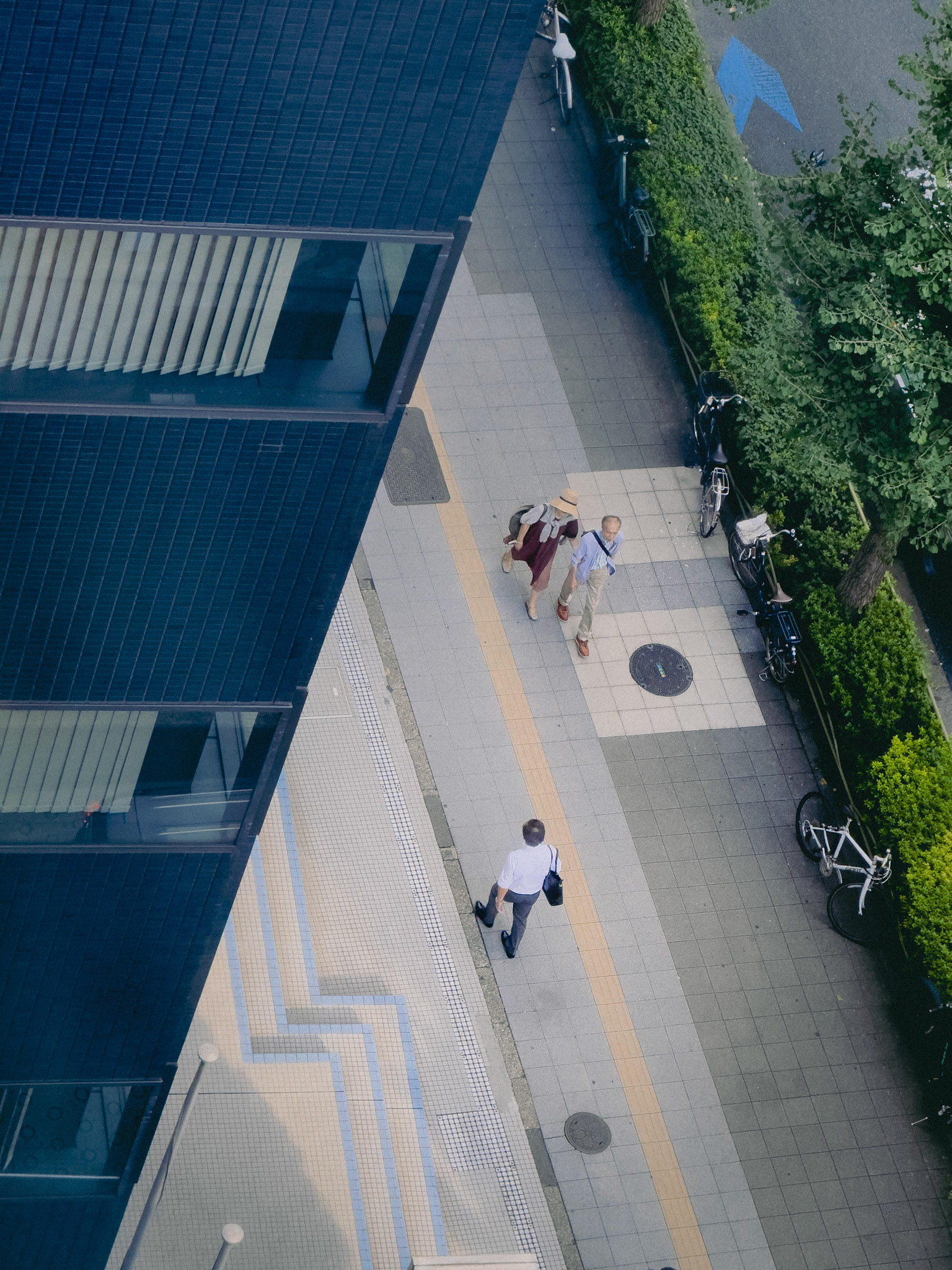
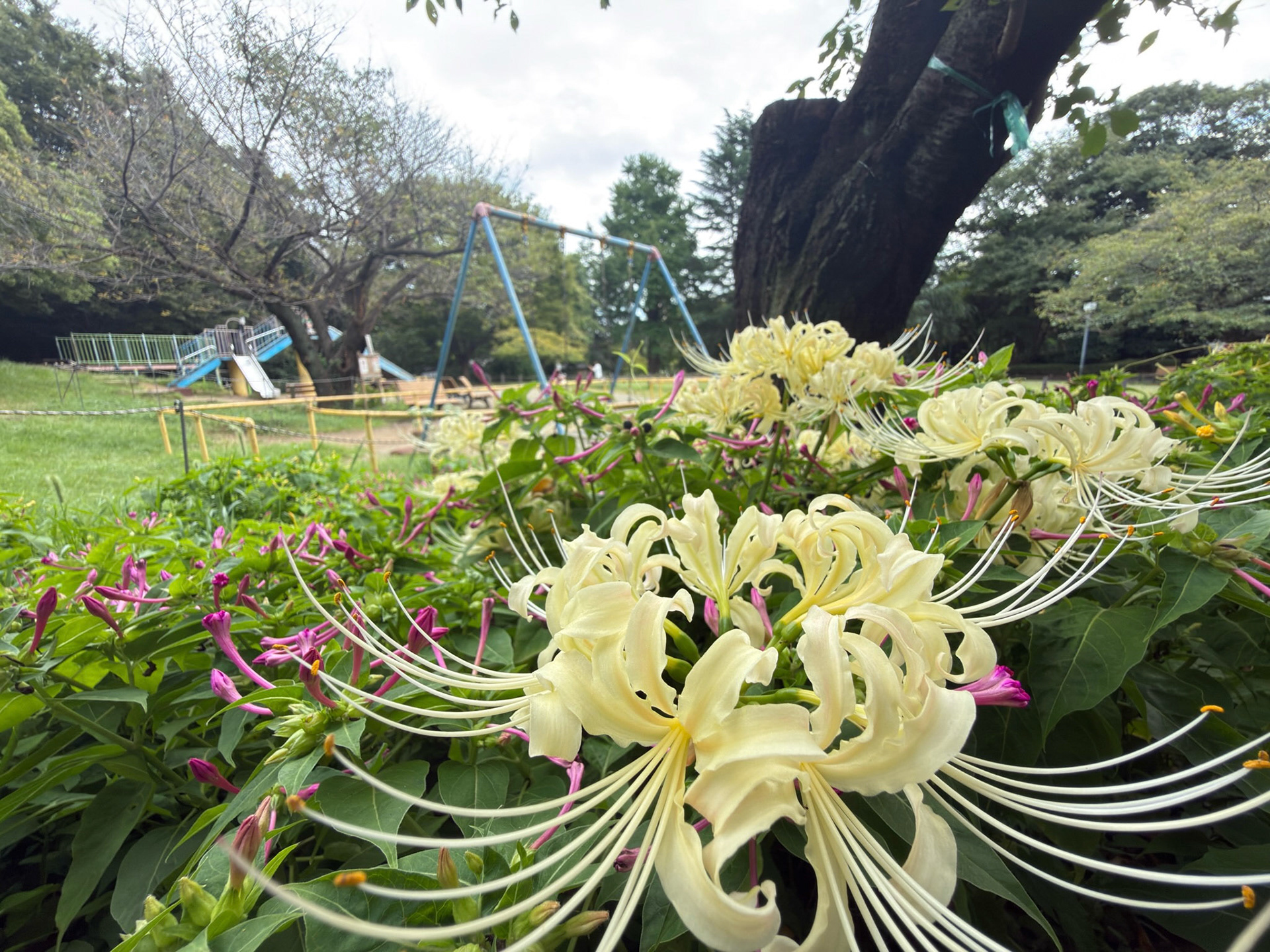
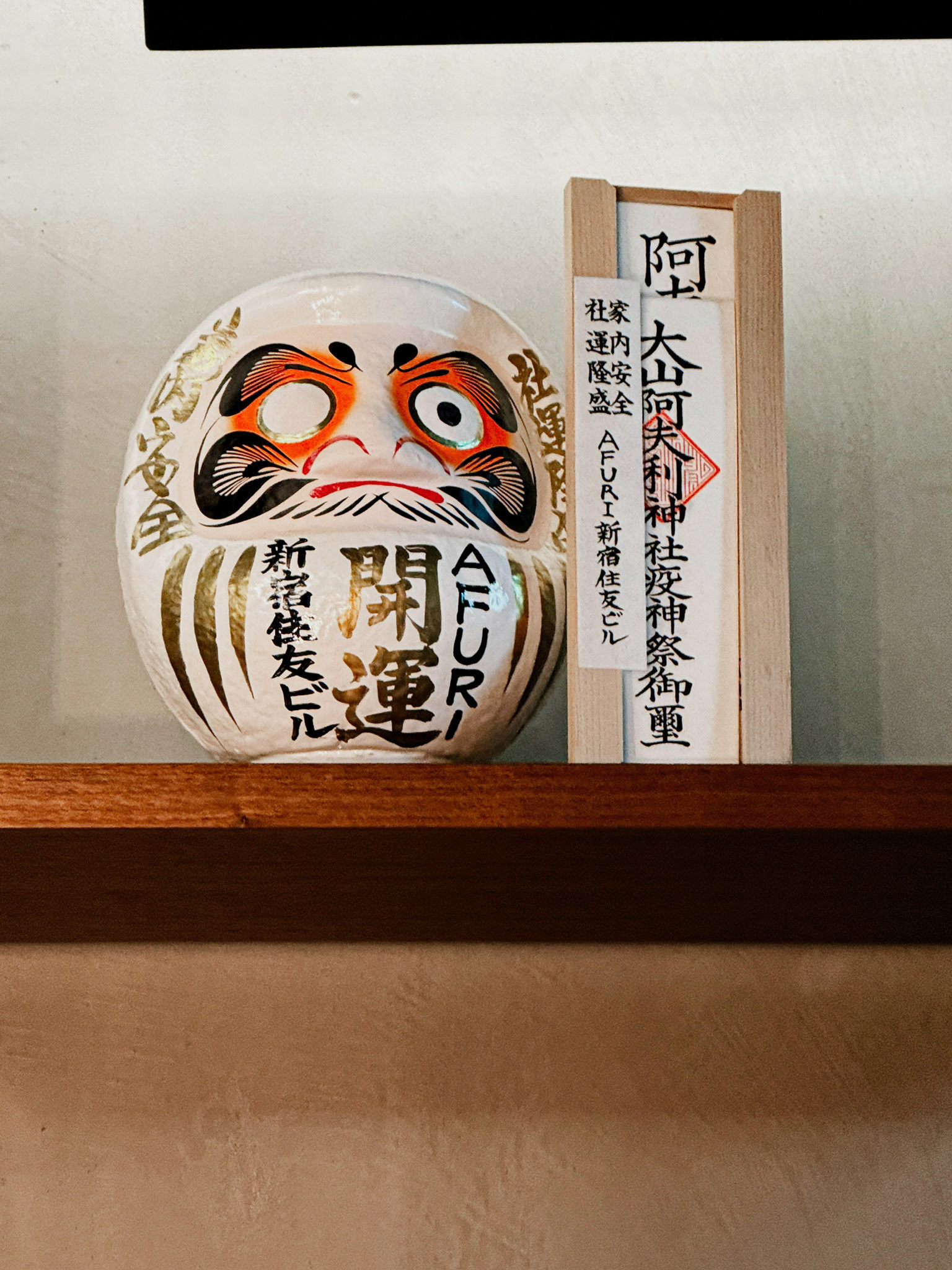
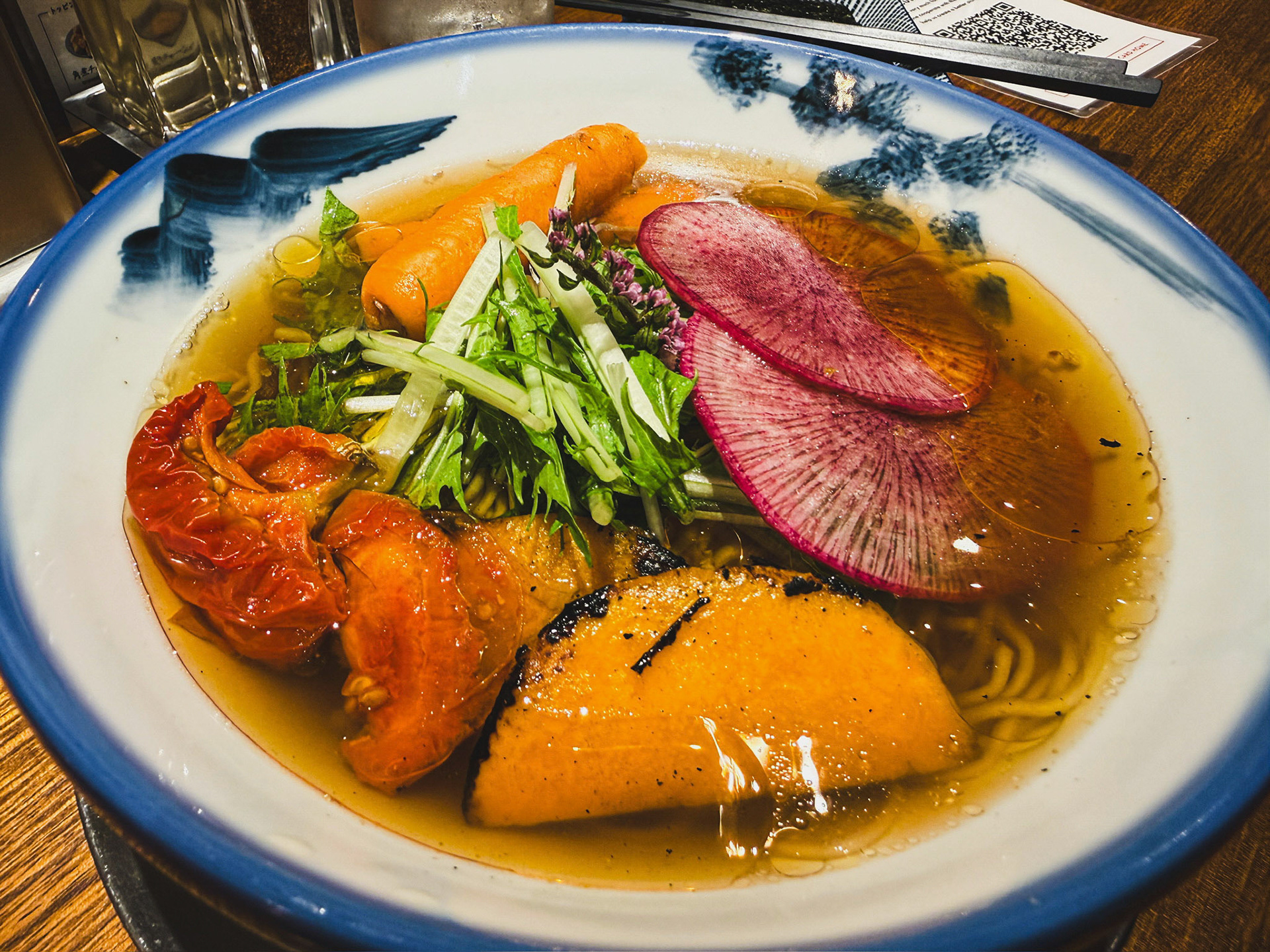
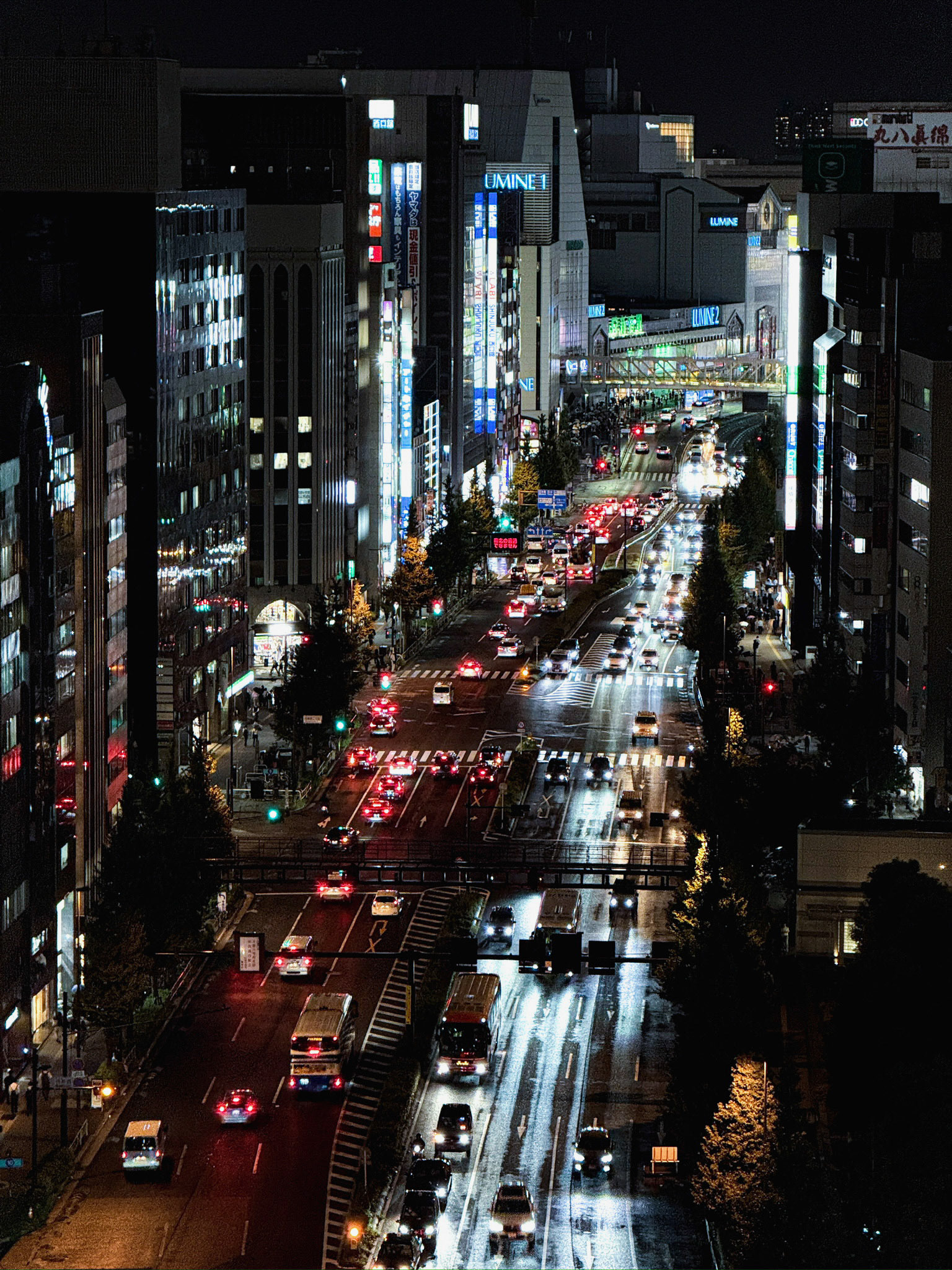
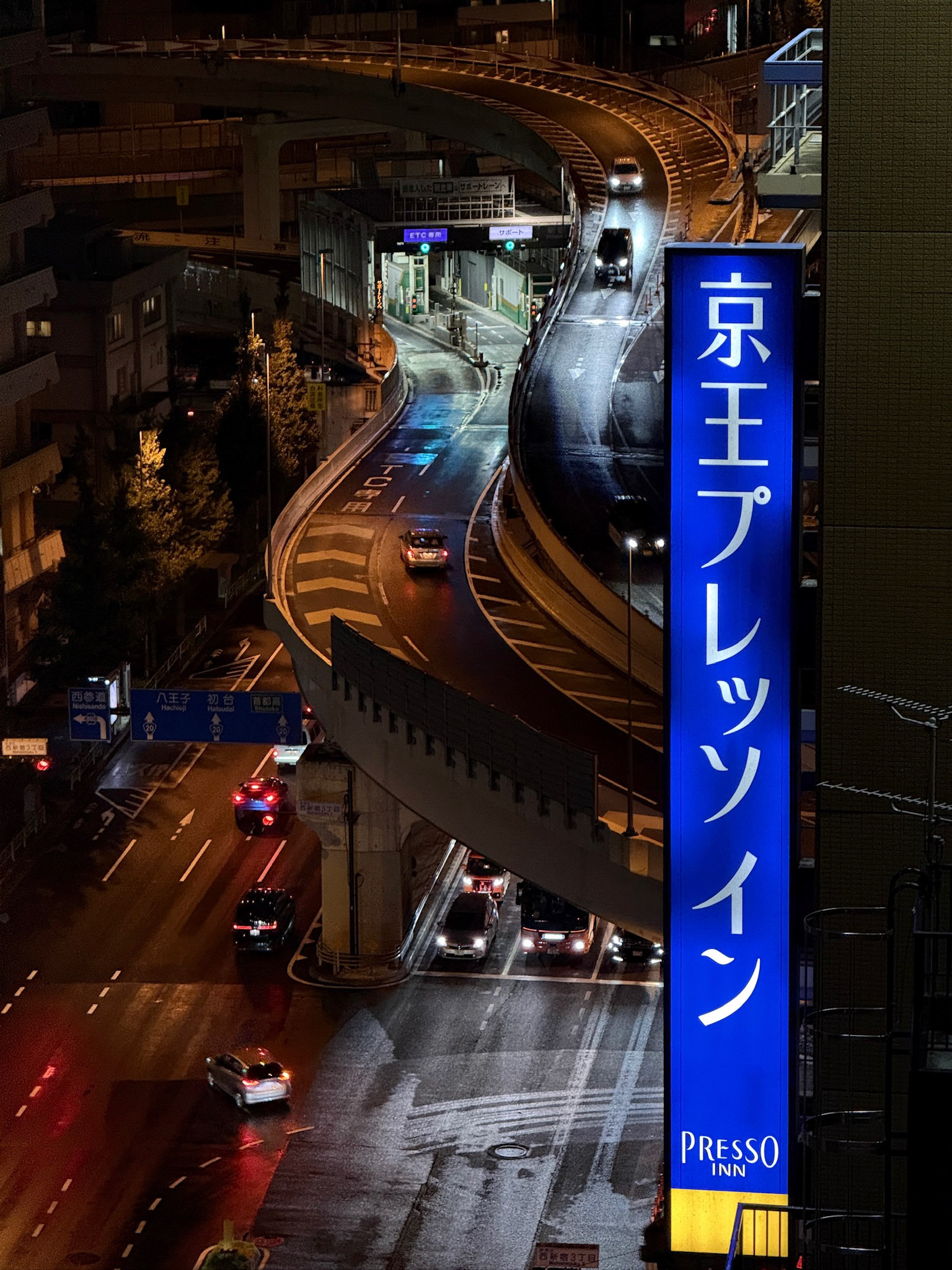
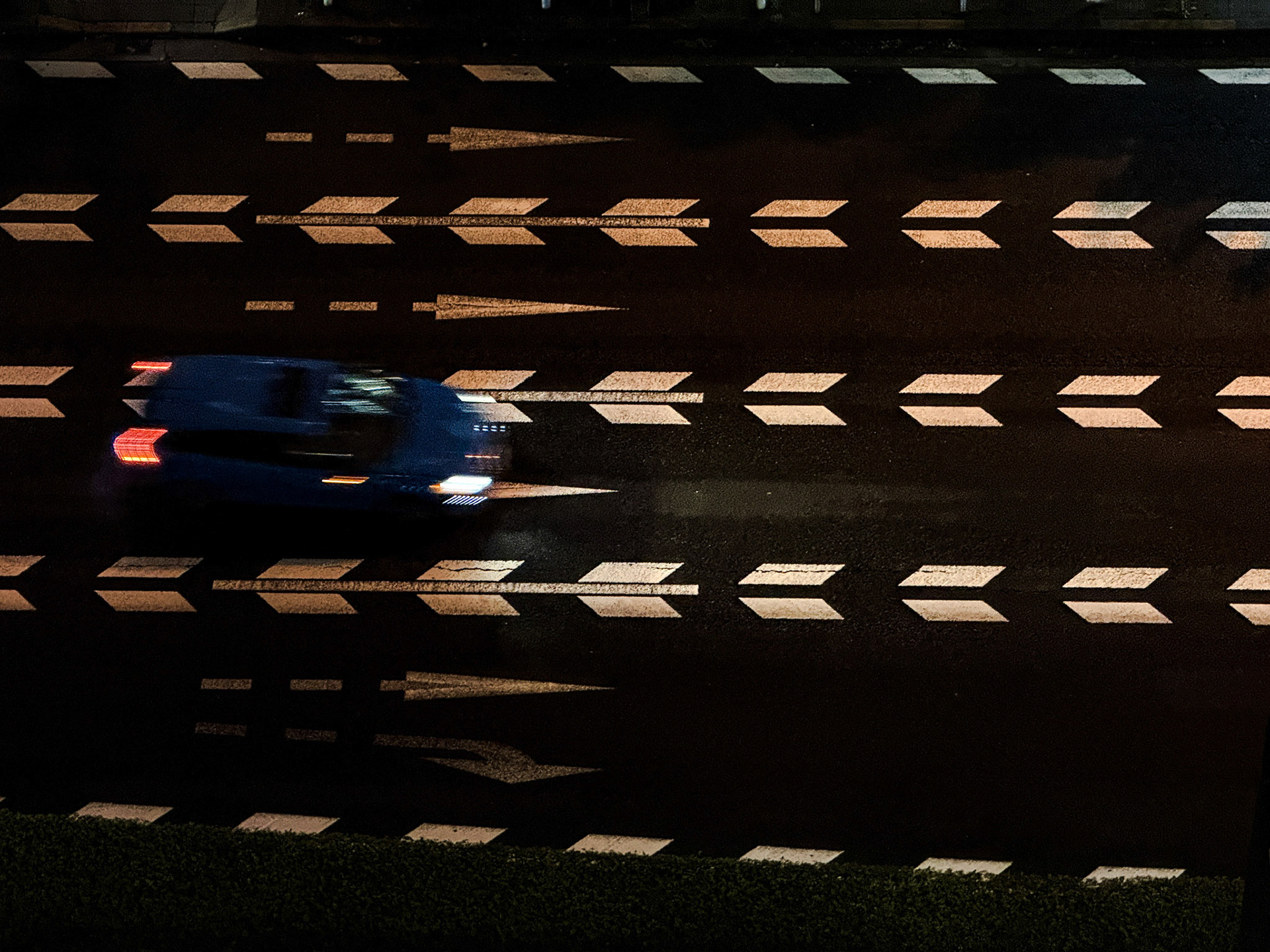
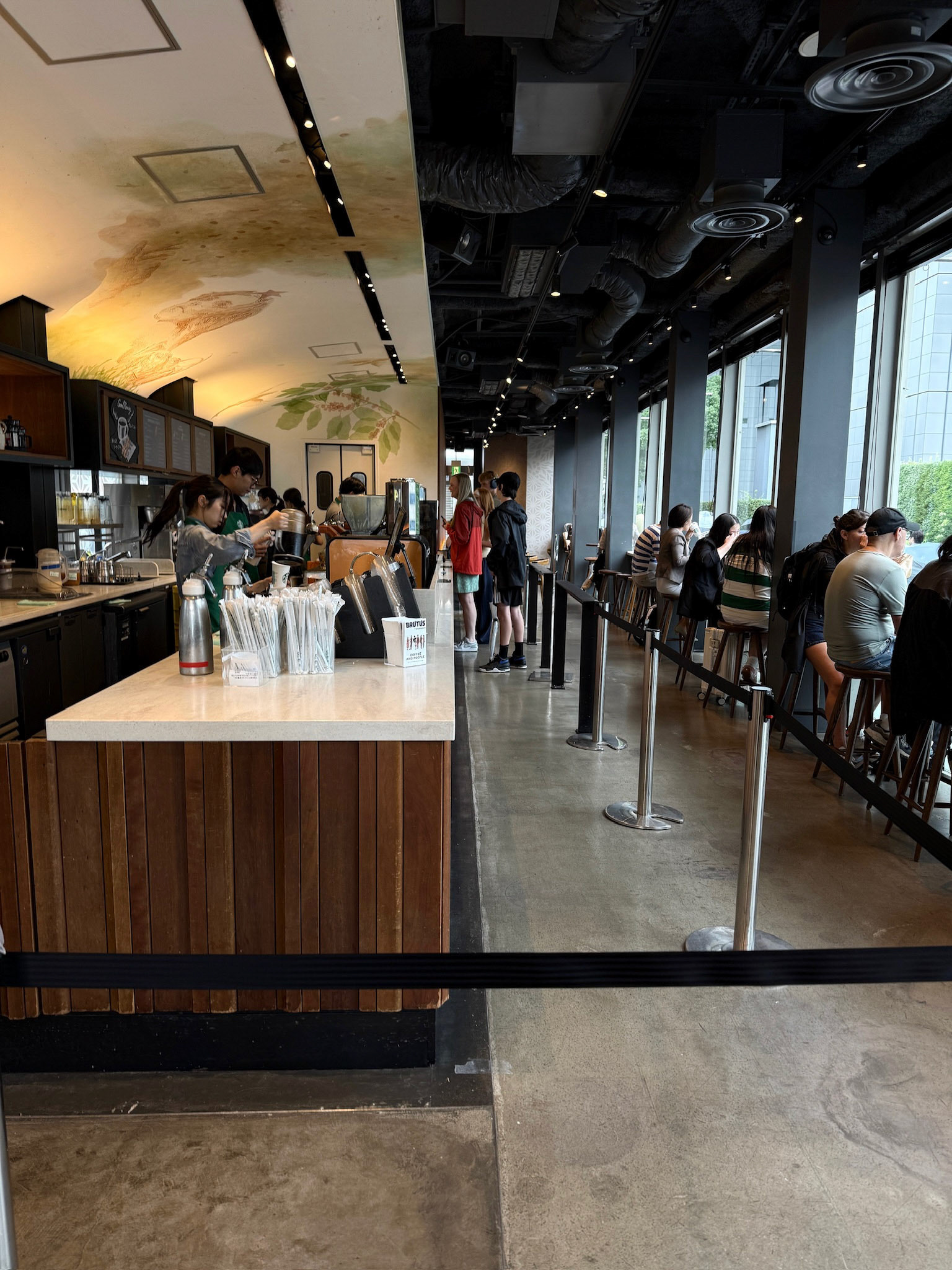
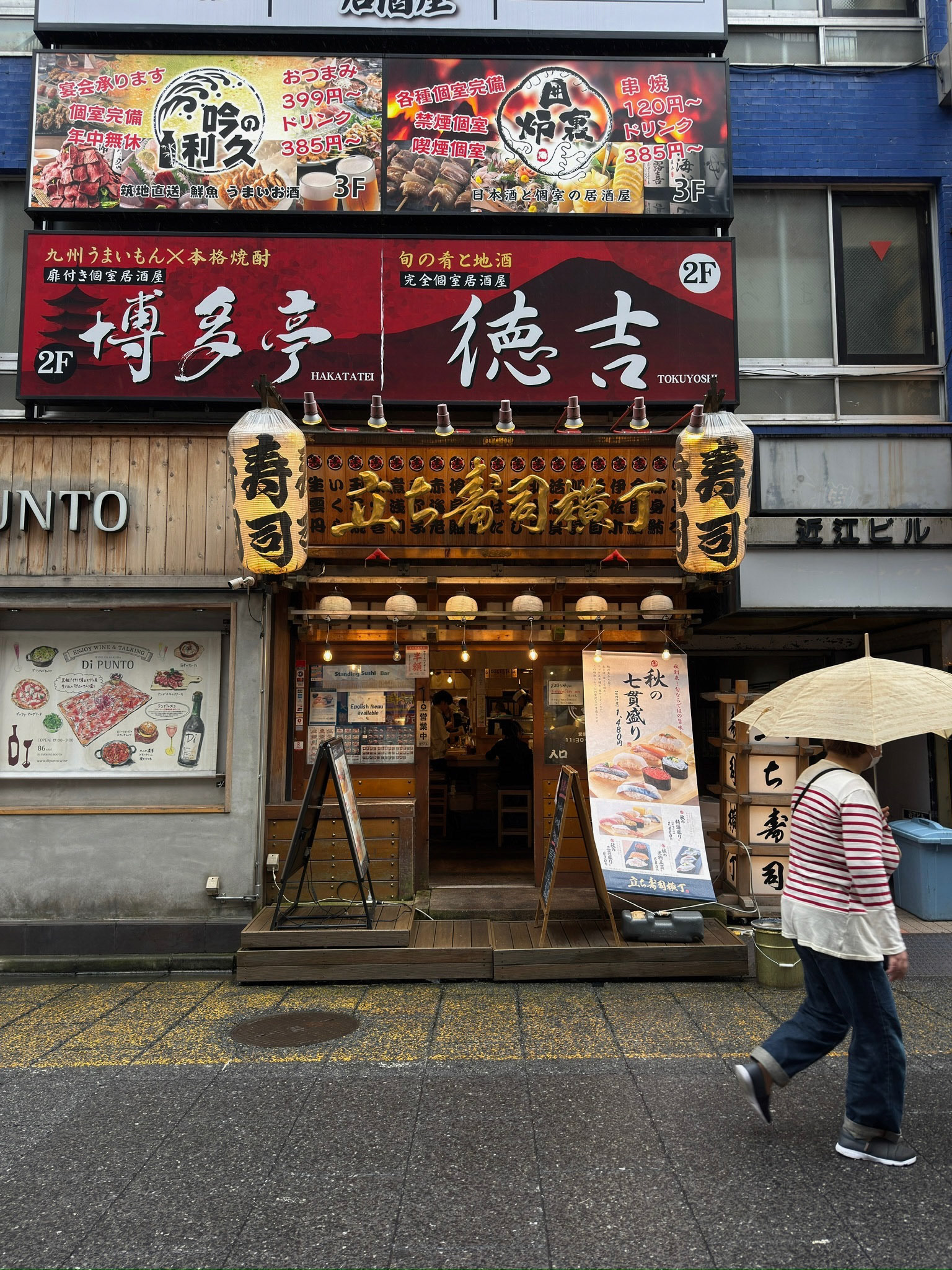
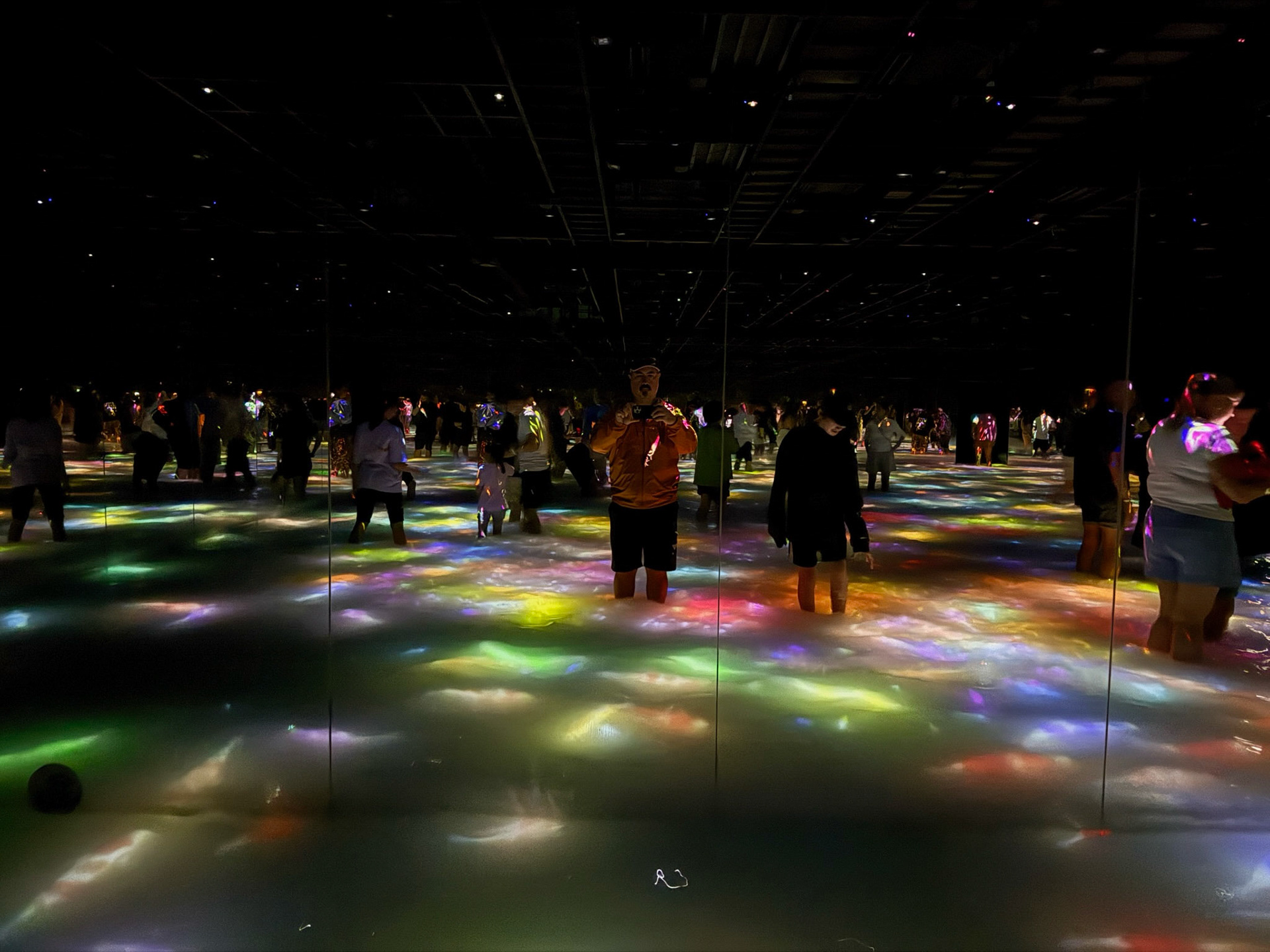
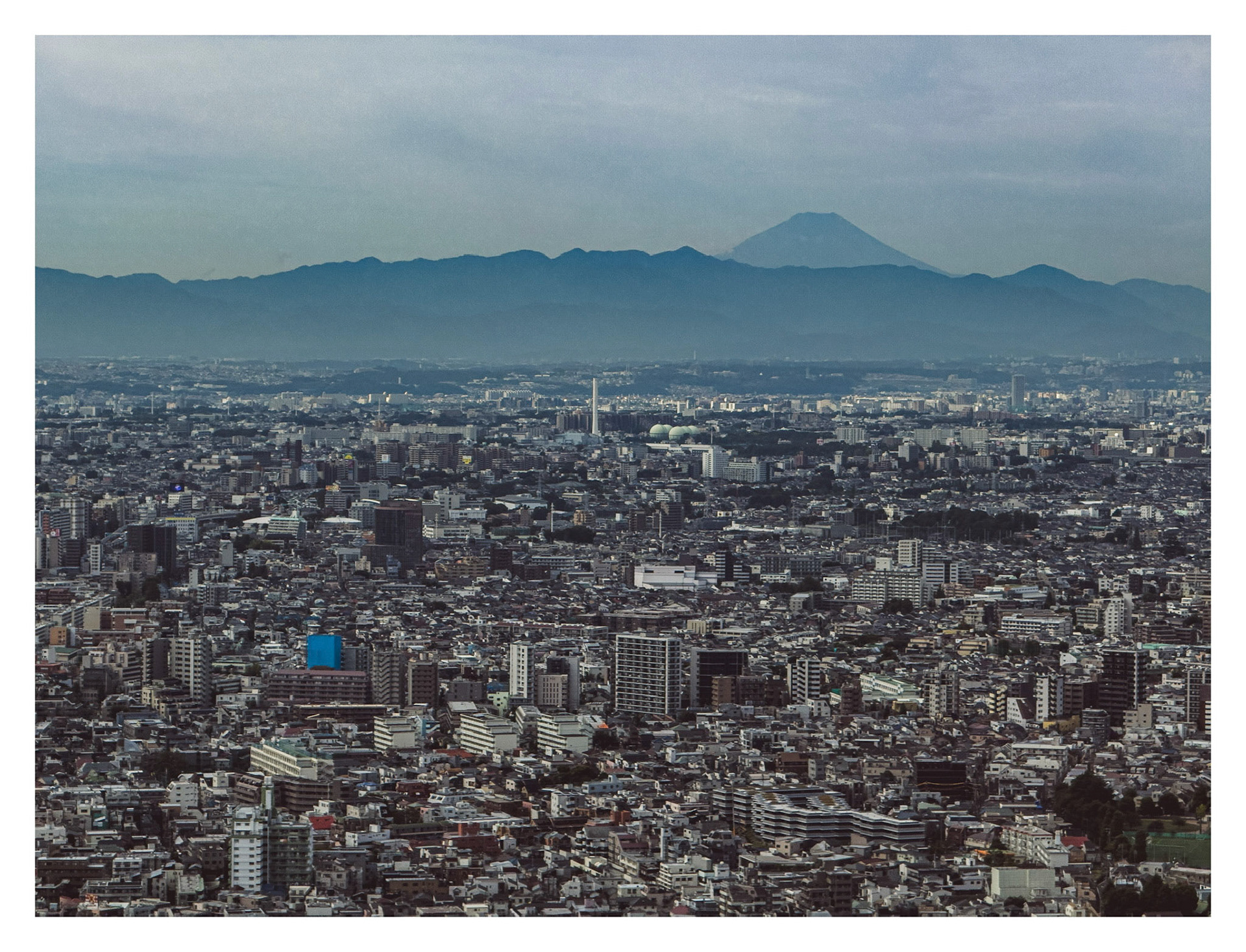
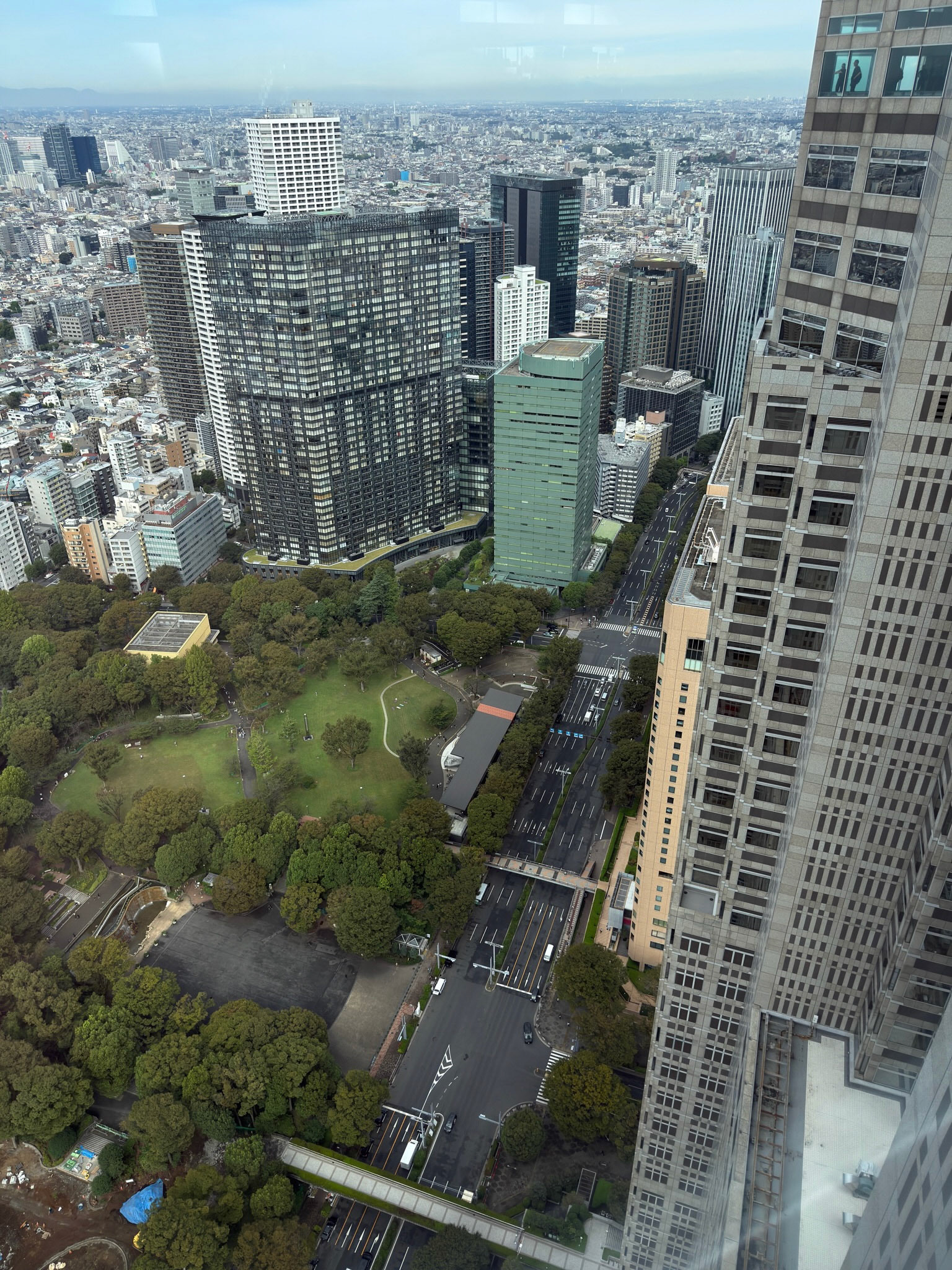
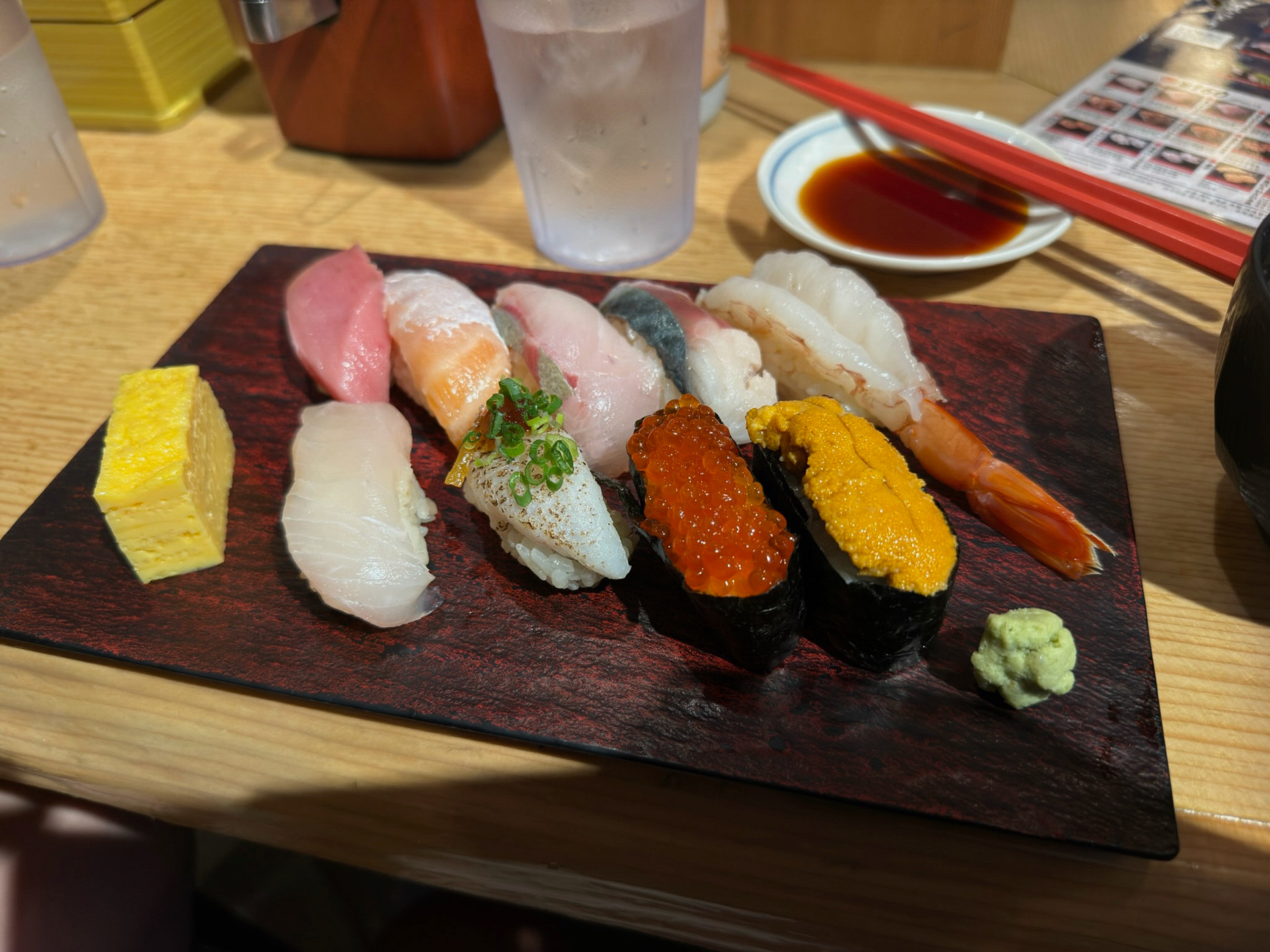
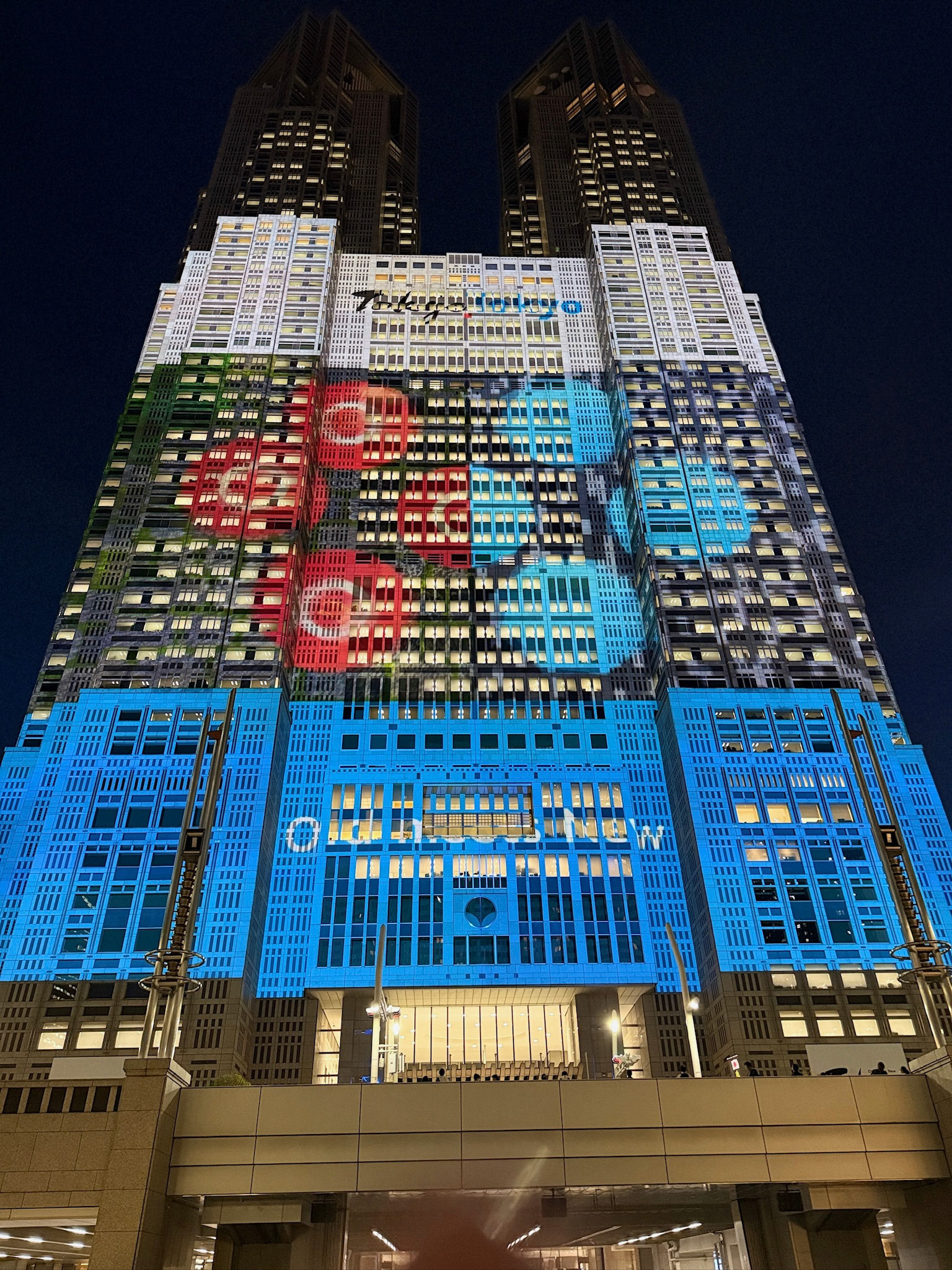
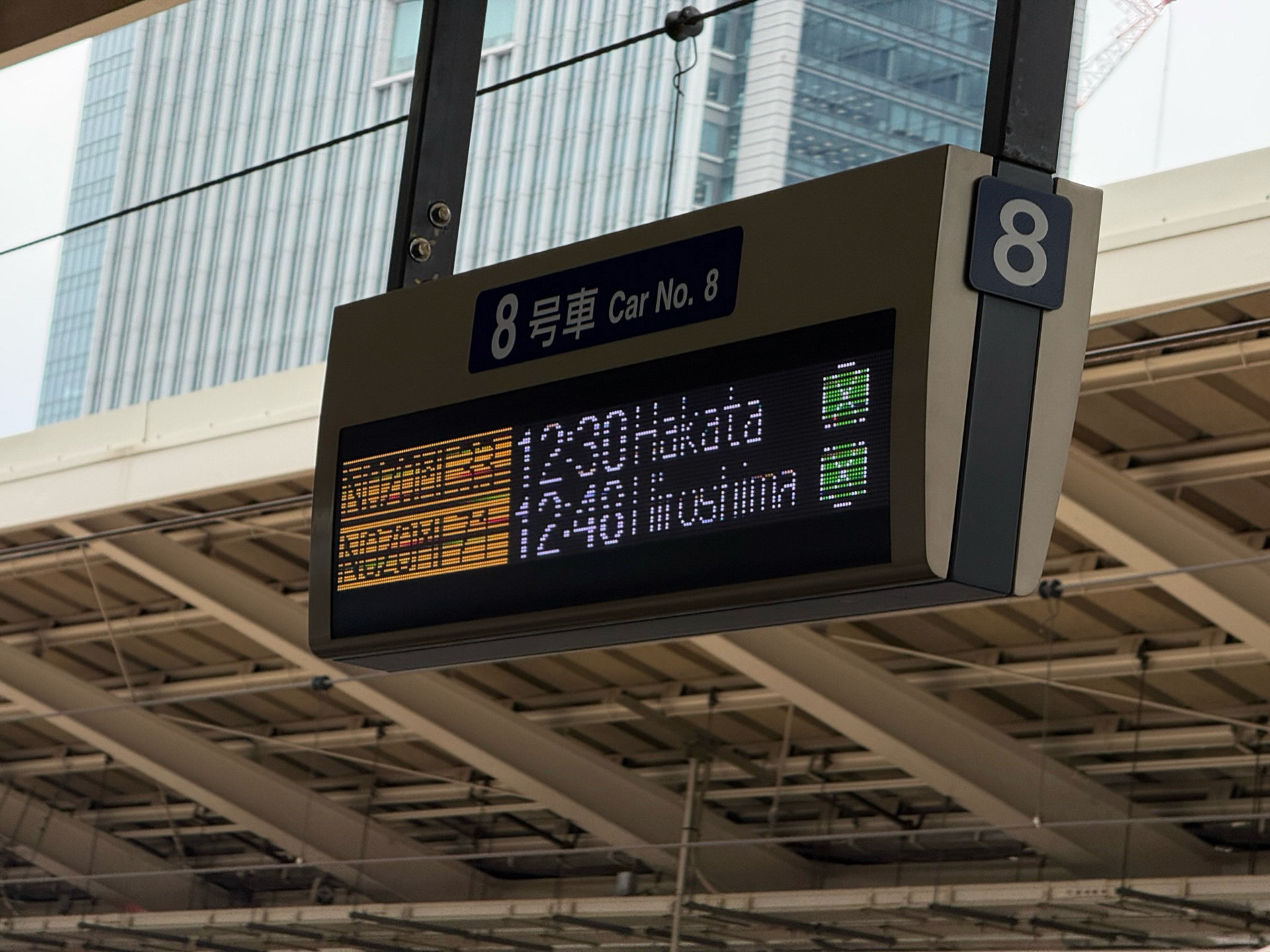
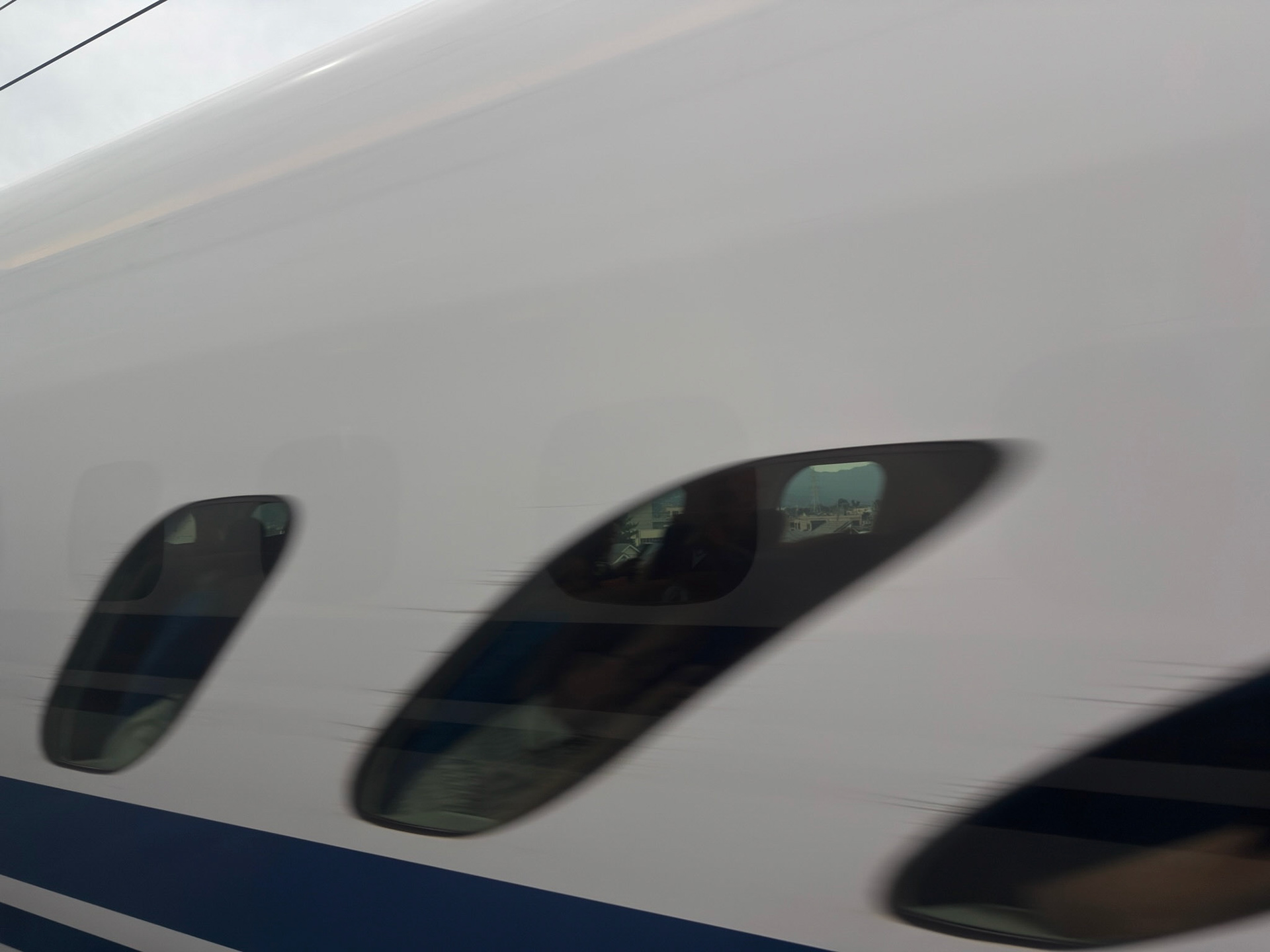
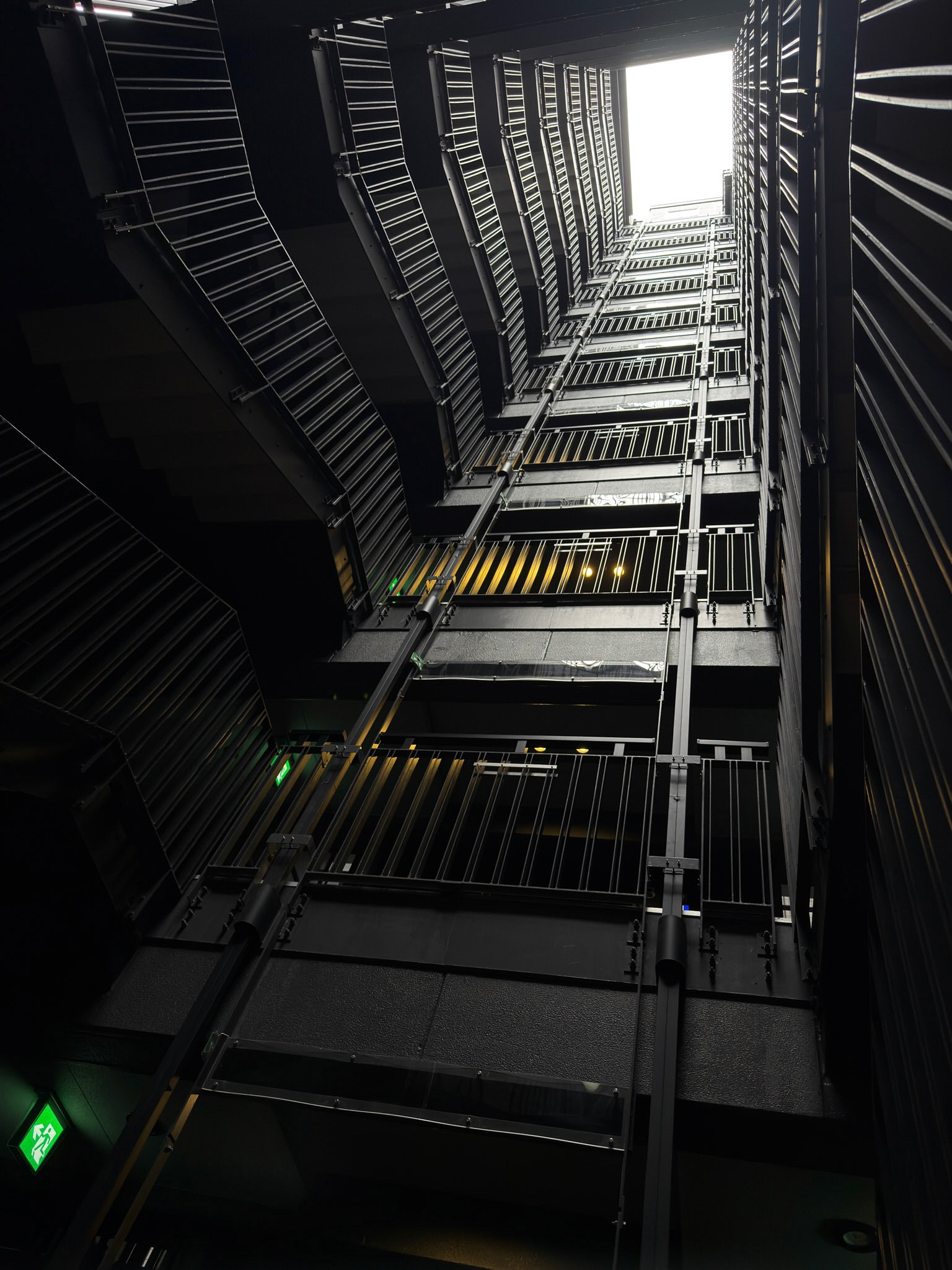
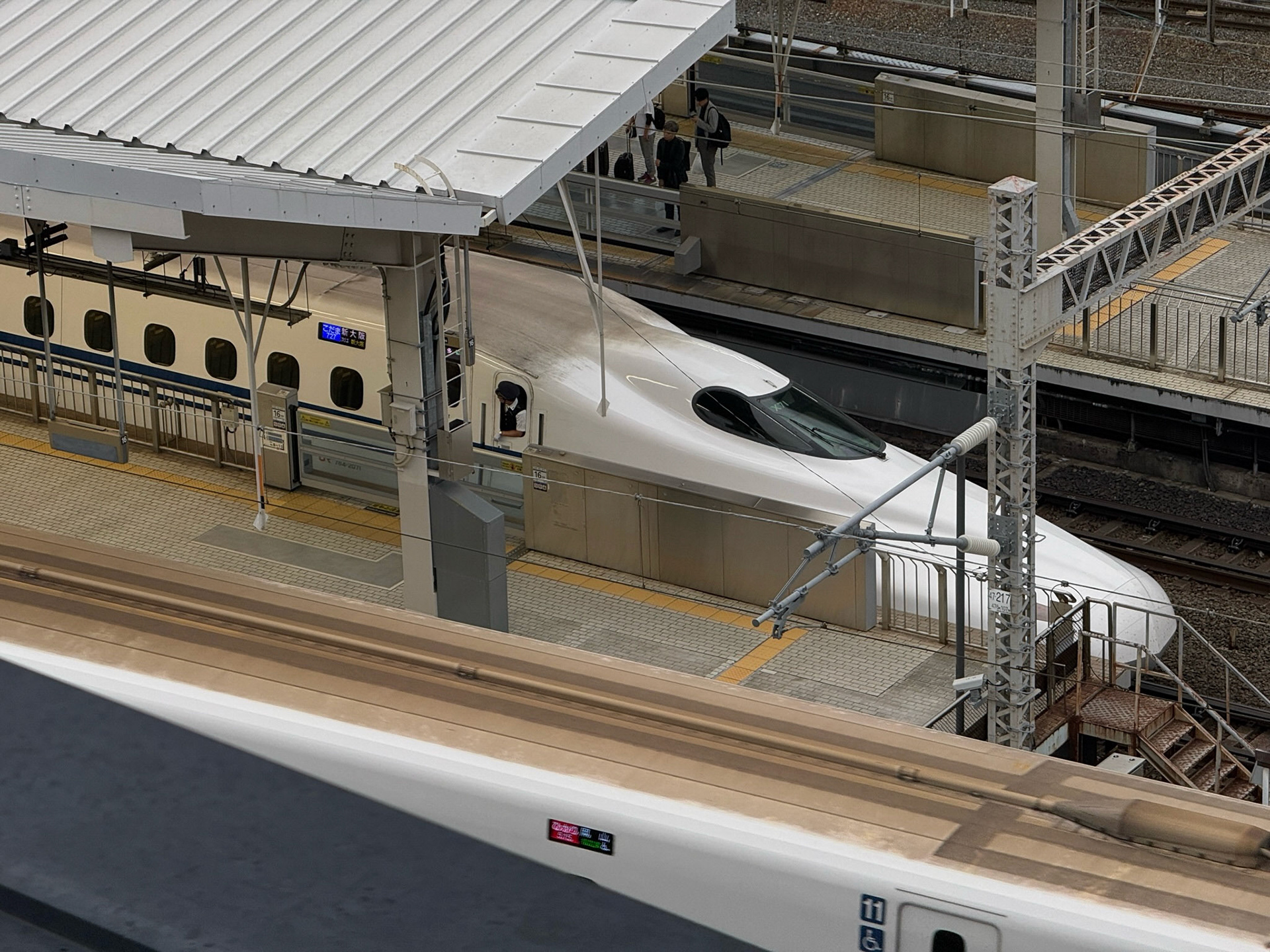
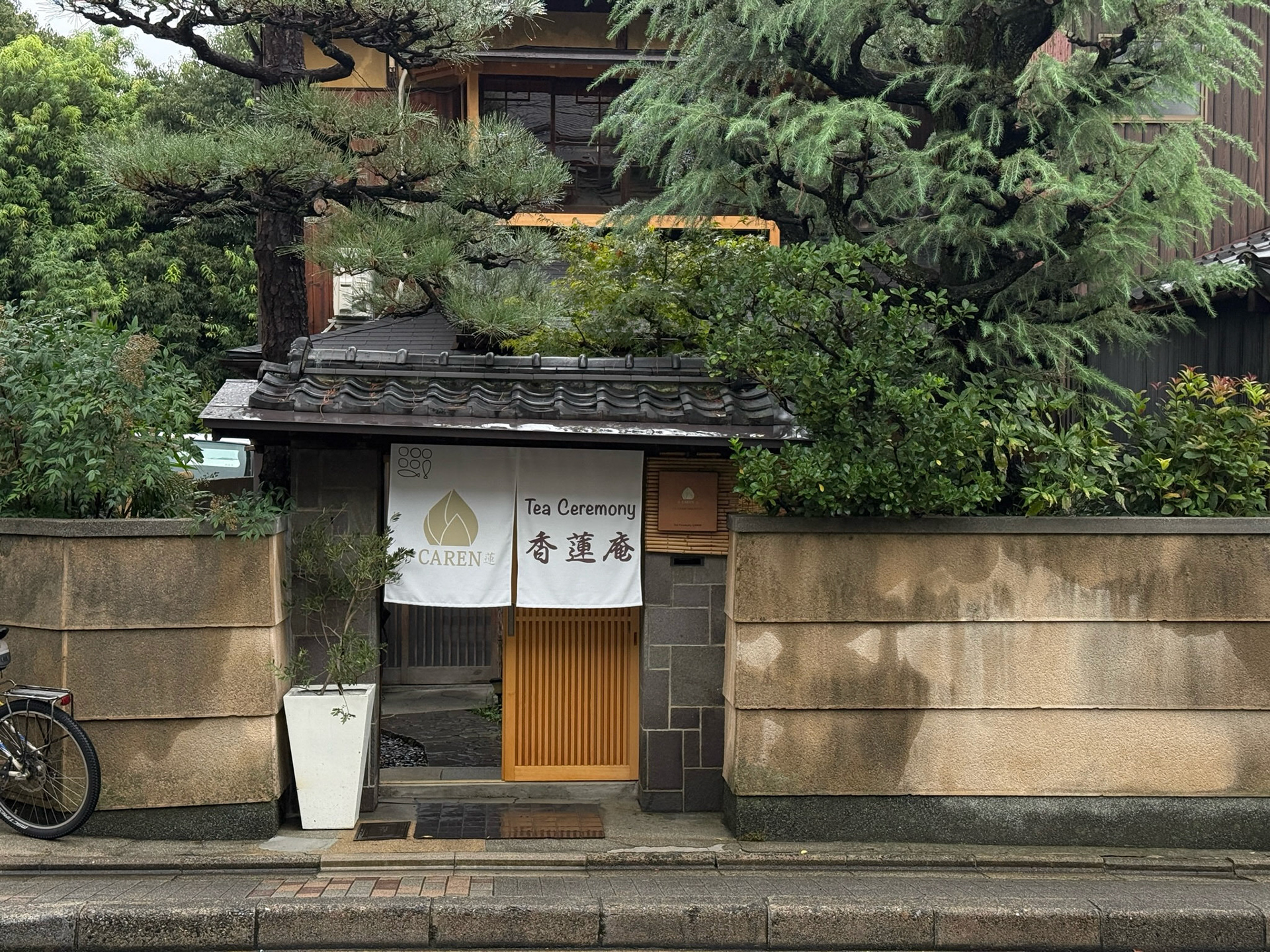
September/October 2025 trip to Tokyo and Kyoto, Japan.
Japan doesn’t simply welcome you; it rearranges your sense of wonder. The country hums with a peculiar harmony—where vending machines glow like lanterns in the night, bullet trains glide as if friction were an inconvenience, and ancient temples exhale centuries of quiet patience. I wandered through alleyways stitched together by aromas of broth and soy, tasted ramen that felt like a warm handshake, and stood still in gardens where time wouldn’t dare intrude. Each moment invited a slower breath, a sharper eye, and a quieter ego. What I captured with my camera was only the surface; what I carried home was something far less visible—a subtle shift in how I see the world, and perhaps, how I see myself.